
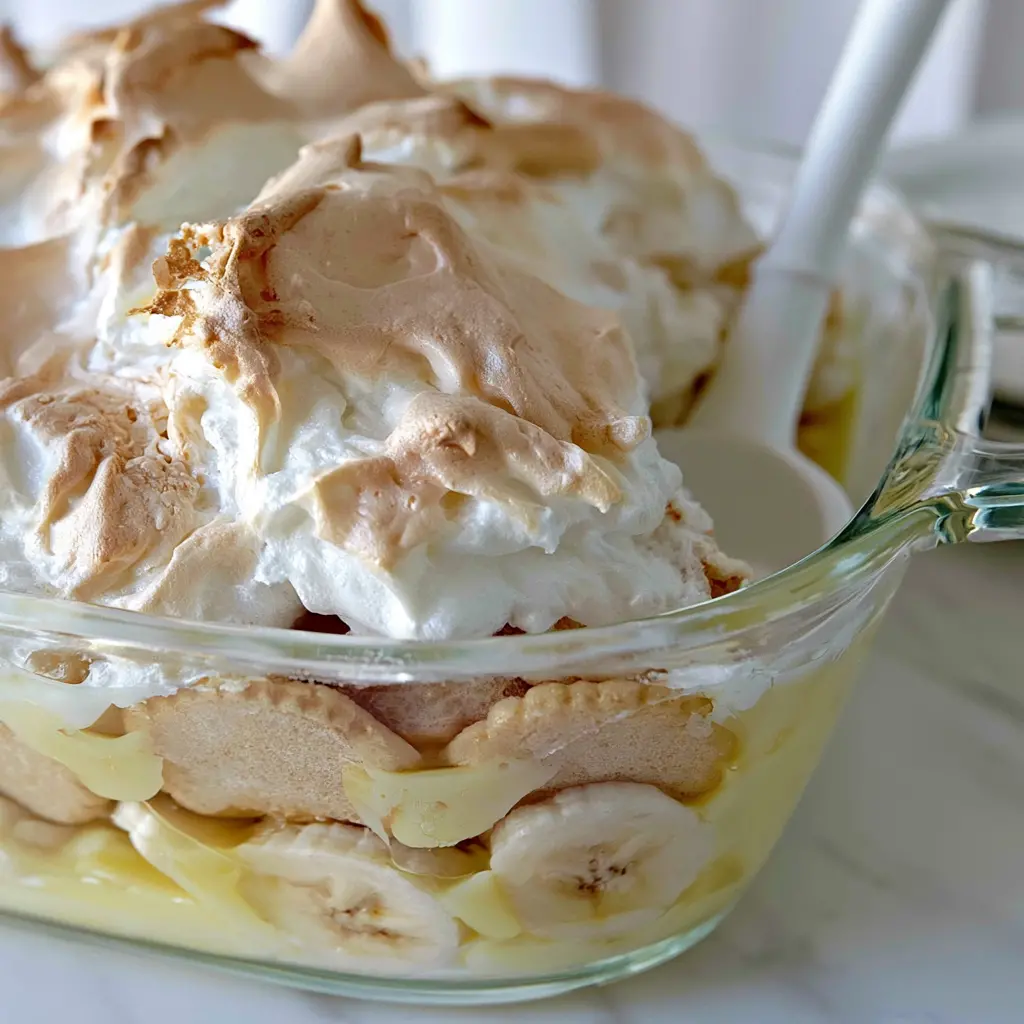
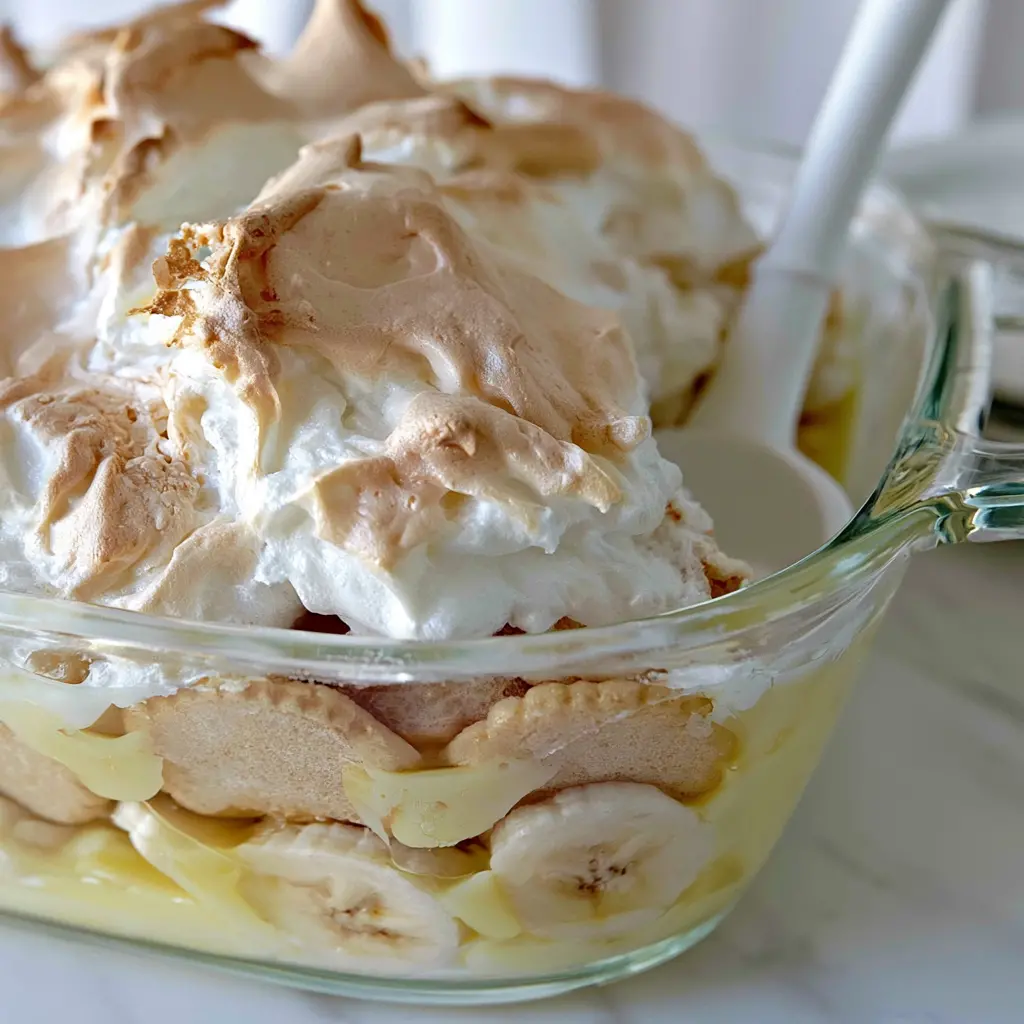
Classic Southern Banana Pudding with Toasted Meringue
Ingredients
Method
- Set the oven rack in the middle and heat the oven to 325 degrees F. If you are making the meringue, chill the mixer bowl and beaters while you prepare the custard.
- In a large, heavy-bottomed saucepan, whisk the flour, 1 1/2 cups sugar, and salt until well combined.
- Separate the eggs, reserving the 3 whites for the meringue. Lightly beat the yolks in a large liquid measuring cup, then whisk in the milk. Pour the egg mixture into the dry ingredients and cook over medium-low heat, stirring constantly, until the custard is thick and smooth. Remove from the heat and stir in 1 teaspoon vanilla.
- Evenly cover the bottom of a 2-quart ovenproof glass dish or baking dish with one-third of the vanilla wafers.
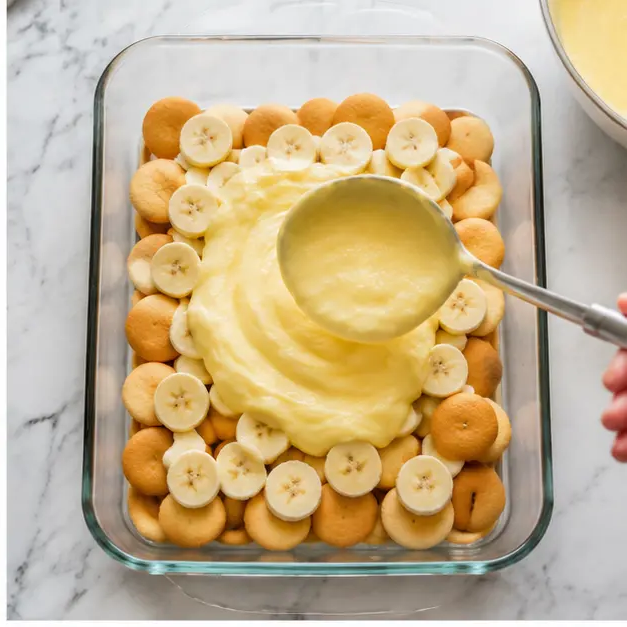
- Peel and slice the bananas, then arrange one-third of the slices over the wafers.
- Spoon one-third of the warm custard over the bananas and wafers.
- Repeat the layers two more times with the remaining wafers, bananas, and custard, ending with a final layer of wafers on top.
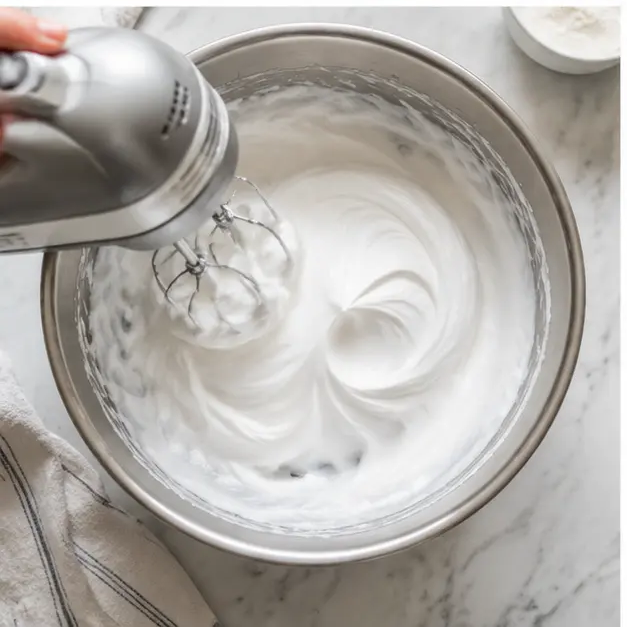
- Put the reserved egg whites in the chilled bowl and beat with an electric mixer on high speed until foamy.
- Add the cream of tartar, then gradually beat in the remaining 1/4 cup sugar one tablespoon at a time. Continue beating until stiff, glossy peaks form and the sugar is fully dissolved, then beat in the remaining 1 teaspoon vanilla.
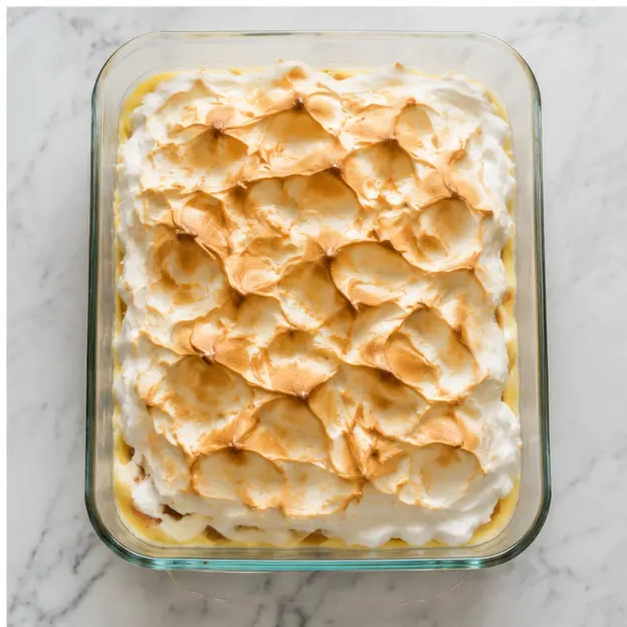
- Pile the meringue over the banana pudding and spread it gently to the edges of the dish.
- Bake for 20 to 25 minutes, until the meringue is lightly browned. Let the pudding stand for a few minutes before serving.
Nutrition
Notes
Tried this recipe?
Let us know how it was!What Is Southern Banana Pudding?
As you plan the last big cookout of summer, let me set the scene. The table’s loaded with baked mac and cheese, smoky beans, maybe a brisket that’s been going since sunrise. And right in the middle, in a clear glass dish, sits a southern banana pudding with golden vanilla wafer layers peeking through silky custard. Topped with a cloud of toasted meringue.
There are two kinds of people at that table: those who fight over the crispy meringue tips, and those who scoop from the middle. Both are right. I’m an Iowa boy, so I’ve stood by plenty of potluck tables in my day. But this classic banana pudding recipe? It’s special. It’s the dessert Southern grandmas have been bringing to church potlucks for generations, and once you taste the real thing, you understand why.
Why You’ll Love This Recipe
The first thing you should know: this is not the boxed stuff. No judgment if you’ve used instant vanilla pudding mix in a pinch, I’ve been there. But this homemade vanilla custard, made from scratch with whole milk, egg yolks, and a little flour, is on another level. The flavor is deeper. The texture is silkier. And honestly, it’s not much harder.
- A true southern banana pudding with silky, scoopable custard
- Ripe banana slices and Nilla wafers in every single bite
- A meringue topping that bakes up golden and crackly
- A make-ahead dessert that tastes even better after a night in the fridge
- Simple pantry ingredients, no fancy equipment needed
This old-fashioned southern banana pudding is the kind of Southern comfort food dessert that shows up at Labor Day cookouts and stays in the family for generations. Bring it once, and you’ll be asked to bring it forever. I promise.
Ingredients for Southern Banana Pudding
Here’s the good news about southern banana pudding: everything you need is at the grocery store, no specialty runs required. The custard starts with whole milk, egg yolks, sugar, a little all-purpose flour, and a pinch of salt. The flour might surprise you, but it’s the secret to that sturdy texture that holds its shape when you scoop it.
For the layers, grab a box of Nabisco vanilla wafers, the classic yellow box, folks, and 5 to 6 medium bananas. You want them ripe but still firm, and I’ll explain why below. The meringue topping uses those reserved egg whites, cream of tartar for stability, and a bit more sugar. That’s the whole lineup.
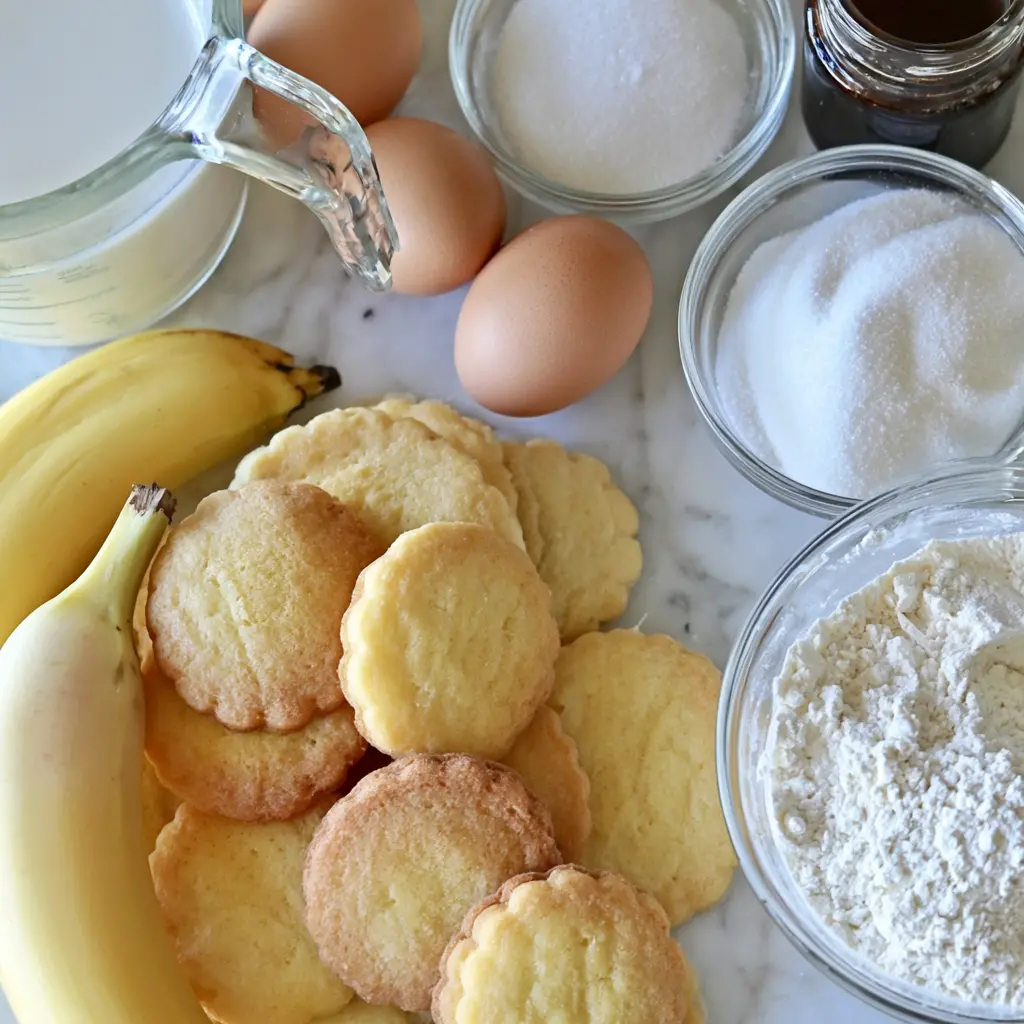
No cream cheese, no sweetened condensed milk, no shortcuts in this version. Just honest ingredients doing honest work in a classic southern banana pudding.
How to Make the Best Southern Banana Pudding
Make the Custard
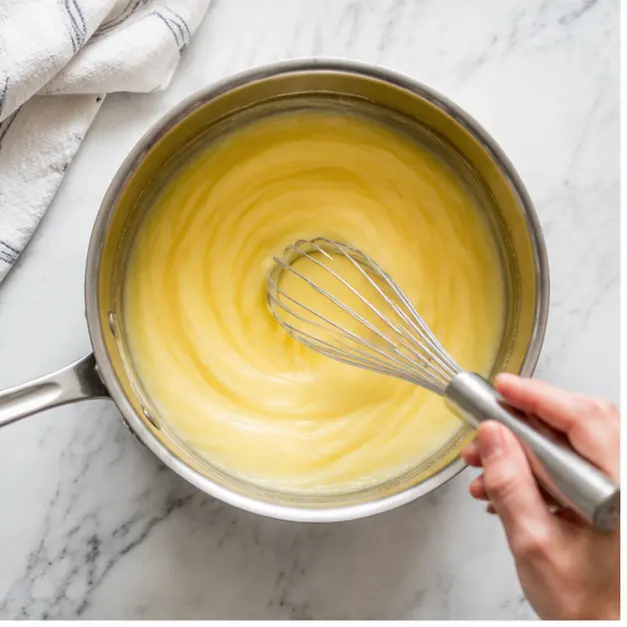
If you’ve never made custard from scratch, take a breath. It’s about ten minutes of hands-on work, and I’ll walk you through it. Every great southern banana pudding starts with the custard, and the key is tempering those egg yolks, which is a fancy way of saying you warm them up slowly so they don’t scramble into sweet scrambled eggs.
Whisk the flour, sugar, and salt in a heavy saucepan. Whisk the milk into the beaten yolks, then pour that into the dry ingredients. Cook over medium-low heat, stirring constantly, until the custard thickens. You’ll see it coat the back of a spoon, drag your finger through and the line should hold. That’s your cue.
I scrambled my eggs the first time I tried this, honest to goodness. Total mess. But here’s the rescue trick: if your custard looks lumpy, strain it through a fine sieve and it’ll be silky again. Don’t throw it out.
Layer the Bananas and Wafers
This is where the magic happens. Cover the bottom of a 2-quart ovenproof glass dish with one-third of the wafers, then banana slices, then a third of the warm custard. Repeat twice more, ending with wafers on top.
That warm custard is doing something important. It softens the wafers into that signature cake-like texture, the one that makes southern banana pudding with meringue so iconic. Just keep the banana slices fully covered by the custard. Exposure to air makes them brown, and nobody wants that.
Whip the Meringue
Now for the crown jewel. Put those reserved egg whites in a chilled bowl and beat them on high until foamy. Add the cream of tartar, then gradually beat in the sugar, one tablespoon at a time. You’re looking for stiff, glossy peaks that stand straight up when you lift the beater.
Here’s a little test: rub some meringue between your fingers. If it feels gritty, keep beating. The sugar needs to fully dissolve for a stable, smooth topping. This meringue topping is what makes a baked southern banana pudding special, with those golden peaks that taste like toasted marshmallow.
Bake Until Golden
Pile the meringue over the pudding and spread it gently all the way to the edges of the dish. That edge seal matters. It keeps the meringue from shrinking away from the sides as it bakes, which is the number one cause of sad, weeping meringue.
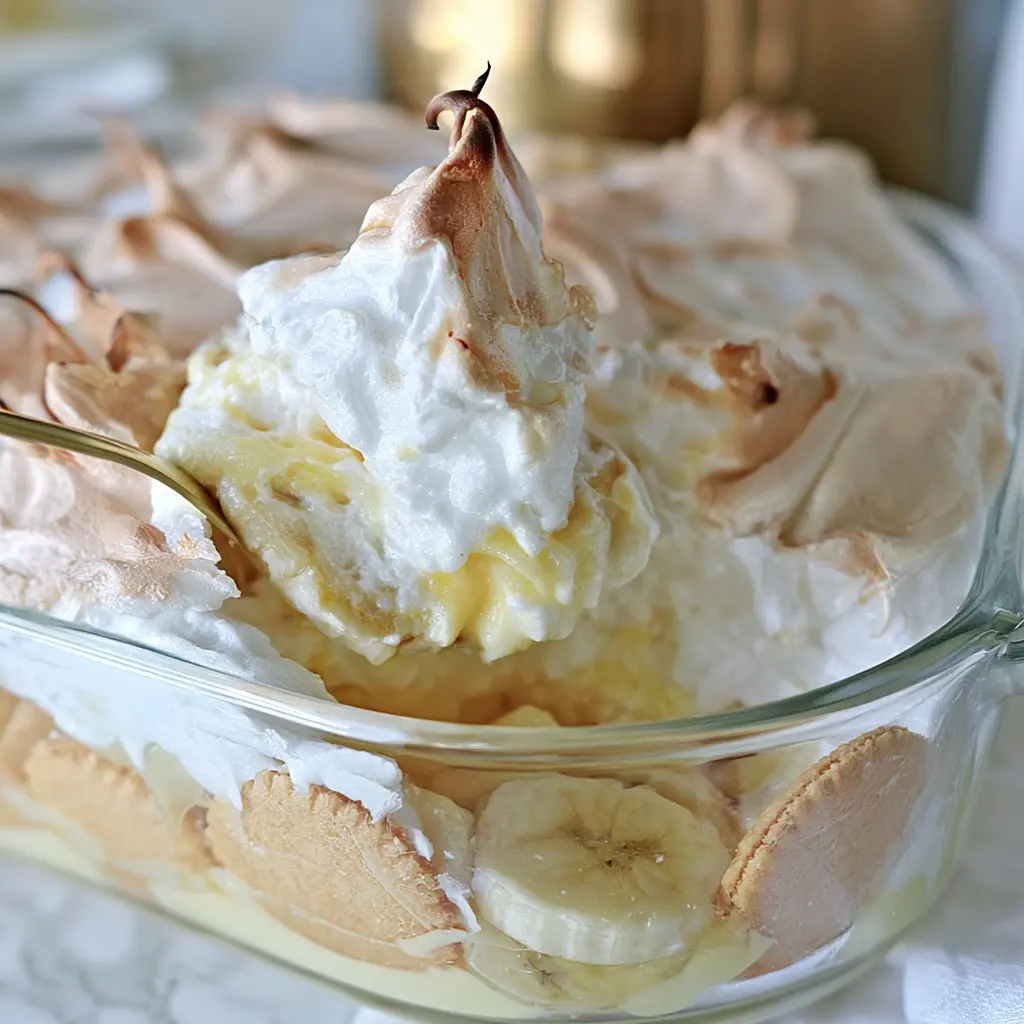
Bake at 325 degrees F for 20 to 25 minutes, until the meringue is lightly browned. The kitchen will fill with warm vanilla and toasted sugar, and honestly, that smell alone is worth the price of admission. Let it stand a few minutes before serving, then get ready for the first spoonful: creamy custard, soft vanilla wafer, ripe banana, and crackly meringue all at once. That’s when the perfect southern banana pudding comes together.
Tips for the Perfect Custard and Meringue
I’ve made every mistake in the book so you don’t have to. These tips will help you nail southern banana pudding every single time.
❌ Using overripe bananas. They turn to mush and make the pudding watery.
✅ Pick bananas that are ripe but still firm, no green on the peel but no brown spots either.
❌ Not cooking the custard long enough. It stays runny and sad.
✅ Let it come to a gentle simmer and thicken fully. It should coat the back of a spoon before you layer it.
❌ Spreading meringue only over the middle. It shrinks and weeps.
✅ Spread it all the way to the edges of the dish so it seals, then bake until golden brown.
❌ Slicing bananas hours ahead. They brown and look unappetizing.
✅ Slice right before layering and keep them buried under custard.
One more note: if you want a browner meringue, broil the top for 1 to 2 minutes at the very end. But watch it like a hawk, meringue goes from golden to burnt fast. This recipe fills a 2-quart dish and serves about 10 to 12 people, so scale up if you’re feeding a bigger crowd.
Variations: No-Bake and More
Here’s where you can make this southern banana pudding your own, depending on your mood or your timeline.
- No-bake version: Skip the meringue and top with lightly sweetened whipped cream. No oven required, which makes it an even faster no-bake banana pudding for hot days.
- Instant pudding shortcut: In a real rush? Swap the homemade custard for instant vanilla pudding mix with cold milk. It won’t have the same depth, but it’s a solid weeknight move.
- Cookie swaps: Graham crackers, shortbread, or animal crackers can stand in for the wafers. You’ll lose some of that classic Nilla wafer flavor, but you might discover a new favorite.
- Less sugar: You can drop the custard sugar to about 1 cup. Just know it may take a few extra minutes to thicken.
There are other styles out there too, like cream cheese banana pudding, but this classic Southern recipe is the one I keep coming back to. It’s the benchmark.
How to Store Banana Pudding
This southern banana pudding is a champion make-ahead dessert. Assemble it without the meringue up to a day ahead, then add the meringue and bake just before serving. That’s the pro move for holiday hosting, and it takes the stress out of Labor Day cooking.
Southern banana pudding leftovers keep covered in the refrigerator for up to 3 days. The wafers will keep softening as it sits, which some folks, me included, actually prefer. Can you freeze it? I wouldn’t. The custard turns watery when thawed and the bananas get mushy. This one’s a fridge dessert, and that’s perfectly fine.
Frequently Asked Questions
Labor Day is the unofficial end of summer, the last chance to bring your signature dessert to the table. Make it this one. When you pull this southern banana pudding out of the fridge and hear people say, “this tastes just like my grandma’s,” you’ll know you did something right. And if you’re already planning Thanksgiving, yes, this southern banana pudding belongs on that table too.
are you team meringue or team Cool Whip? Drop your answer in the comments below, because I genuinely love hearing how different families serve this one up. Every version has a story behind it, and those stories are honestly my favorite part of writing about food.
Because here’s the thing about this old-fashioned southern banana pudding: it was never really about the recipe. It’s about the person who brought it to the table, the memories that come flooding back with that first bite of soft wafer and cold custard. This classic Southern recipe is just the vehicle. You’re the one who makes it worth passing down.
So grab your clear glass dish, pick out those firm ripe bananas, and make the version that feels like home to you. Meringue or no meringue, wafers from the yellow box or graham crackers from the pantry, it’s going to disappear before the ice melts in your tea. That’s a promise.
Expert Notes & Data Insights
After testing this southern banana pudding recipe more times than I can count, I’ve gathered the nerdy notes, the troubleshooting wisdom, and the little details that make the difference between good and unforgettable. Consider this your behind-the-scenes pass.
The Science Behind the Custard
That little bit of flour in the custard isn’t an accident. It’s a stabilizer. When the starch granules heat up in the milk, they absorb liquid and swell, which transforms your egg yolk and milk mixture into that thick, scoopable texture. Without the flour, you’d have a thinner pudding that slides right off the wafers instead of clinging to them.
The egg yolks are doing double duty too. They add that rich, golden flavor, sure, but their proteins also help the custard set. That’s why tempering matters so much: you’re warming the yolks gently so they cook slowly instead of scrambling. And if they do scramble? Strain it through a fine-mesh sieve and move on with your life. I’ve saved many a batch that way.
Why the Wafers Soften (and Why That’s the Point)
Here’s what’s actually happening while that southern banana pudding sits in the fridge overnight: moisture from the custard migrates into the wafers, turning them from crisp to cakey. That’s not a flaw. That’s the entire philosophy of this dessert. The iconic texture everyone talks about, that spoonful that melts in your mouth, it comes from giving the layers time to get acquainted.
The same principle applies to the bananas. Keeping them buried under custard does more than prevent browning. It lets them soften slightly and marry with the vanilla flavor. It’s a little lesson in patience, and the payoff is worth every minute.
Meringue Troubleshooting, Solved
Meringue is the one place where home bakers get nervous, and I get it. It can weep. It can shrink. It can turn grainy. Here’s what causes each issue and how to fix it.
Weeping: Those little beads of moisture on top usually mean the meringue wasn’t spread to the edges of the dish or it didn’t bake long enough. The seal creates a barrier, and the oven time sets the egg whites fully.
Shrinking: Same cure, spread it right to the glass, and make sure your peaks are stiff before baking. Soft, droopy meringue deflates in the oven.
Grainy texture: The sugar didn’t dissolve. Beat longer, and use the finger test: rub a little meringue between your fingers. Gritty means keep going.
Curdled or lumpy appearance: You overbeat the egg whites. They’ve passed stiff peaks and the protein structure has collapsed. Start over with fresh whites and beat just until stiff, glossy peaks hold their shape.
Freezing and Reheating: The Honest Truth
Can you freeze southern banana pudding? I wouldn’t, and I’ll tell you why. Ice crystals rupture the custard’s structure, so when it thaws, it turns watery and separates. The bananas get mushy and gray, and the meringue weeps like a busted pipe. It’s a texture tragedy.
Reheating is a different story. Some folks actually love this pudding warm, right out of the oven, when the meringue is still toasty and the custard is cozy. If you’re reheating leftovers, do it gently. A few seconds in the microwave for a single serving is fine, just know the wafers will get even softer and the bananas darker. Cold is still my preference, and I think most Southern grandmas would agree.
Ingredient Wisdom From Years of Testing
Let’s talk vanilla wafers for a second. Brand-name Nilla Wafers are the gold standard for a reason. They have that buttery, authentic vanilla flavor and a texture that softens just right. Generic versions tend to be drier and crumblier, and they can turn into mush faster. If you’re swapping in graham crackers or shortbread, serve within 24 hours for the best texture, they soften much more quickly than wafers.
Banana ripeness deserves a little data too. The ideal banana for this recipe is at that yellow stage where it’s completely ripe but has zero brown spots. That’s roughly day 5 or 6 of a grocery store banana’s shelf life. Brown-speckled bananas are amazing for banana bread, but they carry extra moisture and sweetness that makes pudding soggy. Save them for another baking day.
And for the sugar question: yes, you can reduce the custard sugar to 1 cup, but expect the custard to take a few extra minutes to thicken. Sugar affects how the starch gelatinizes, so less sugar means a slightly longer cook time and a less rich finish. The meringue? Keep the sugar as written. It’s not just for sweetness. It’s structural.
Scaling Up for a Crowd
This southern banana pudding recipe fills a 2-quart dish and serves 10 to 12 people. For big gatherings, I recommend making two smaller dishes instead of one giant one. Why? Smaller dishes mean better layering ratios and a more even meringue-to-pudding balance. Trust me, I learned this the hard way at a Fourth of July cookout when I tried to triple everything into one enormous casserole dish.
At the end of the day, this is a forgiving dessert. It welcomes substitutions. It tastes better the next day. It pleases everyone, from the kids hovering at the dessert table to the great-aunt who insists nobody makes it like her mama did. And now, you do.
Do you have to bake if making with the meringue?
Yes. Meringue is made from raw egg whites, so it needs to bake until the peaks turn golden brown. At 325 degrees F, that takes 20 to 25 minutes. Spread it to the edges so it doesn’t shrink.
How do you know when the custard is ready?
You’ll see it thicken and come to a gentle simmer. The classic test: coat the back of a spoon, drag your finger through, and the line should hold. If it runs, keep cooking. Stir constantly so it doesn’t scorch.
Do you have to refrigerate southern banana pudding?
Yes, absolutely. Because this southern banana pudding has milk, eggs, and bananas, it needs to stay chilled when you’re not serving it. Cover and refrigerate for up to 3 days. It actually gets better after a few hours in the cold.
Can I reduce the amount of sugar in the recipe?
You can. Drop the custard sugar to about 1 cup if you like things less sweet. The custard may need a few extra minutes to thicken, and it’ll taste a bit less rich. Keep the meringue sugar as written, it gives the topping structure.
How do you keep bananas from browning?
Keep them covered. Every banana slice should be fully buried under custard when you layer the pudding. Air exposure causes browning, so slice right before assembly and tuck them in. That’s the whole trick.
Can you use Cool Whip on southern banana pudding?
Sure can. Skip the meringue and top with lightly sweetened whipped cream or Cool Whip instead. It makes a no-bake banana pudding that’s faster and a little sweeter. Perfect for days when you don’t want the oven on.
What are substitutes for vanilla wafers?
Graham crackers, shortbread, and animal crackers all work in a pinch. Coconut macaroons add a fun twist. Just know the texture shifts: wafers soften into that cake-like bite, so other cookies give you a firmer or crumblier result.
Why is my custard runny?
It didn’t cook long enough. The custard needs to reach a gentle simmer and thicken until it coats the back of a spoon. Stir constantly so it doesn’t burn, but give it the full time. Cutting the flour also leads to runny pudding.
How ripe are the bananas?
Ripe but still firm. No green on the peel, but no brown spots either. Overripe bananas release extra moisture and turn the pudding soggy fast. Firm ripe bananas hold their shape and give you a clean, sweet bite in every spoonful.
Can you freeze banana pudding?
I wouldn’t. The custard separates and turns watery when thawed, the bananas get mushy, and the meringue weeps. This is a fridge dessert. It keeps for up to 3 days chilled, so make it fresh and enjoy it at its peak.
Why did my meringue weep?
Mostly from not baking long enough or not sealing to the edges. Spread the meringue all the way to the glass, bake at 325 degrees F until the peaks are golden brown, and set the egg whites fully. That keeps moisture where it belongs.