
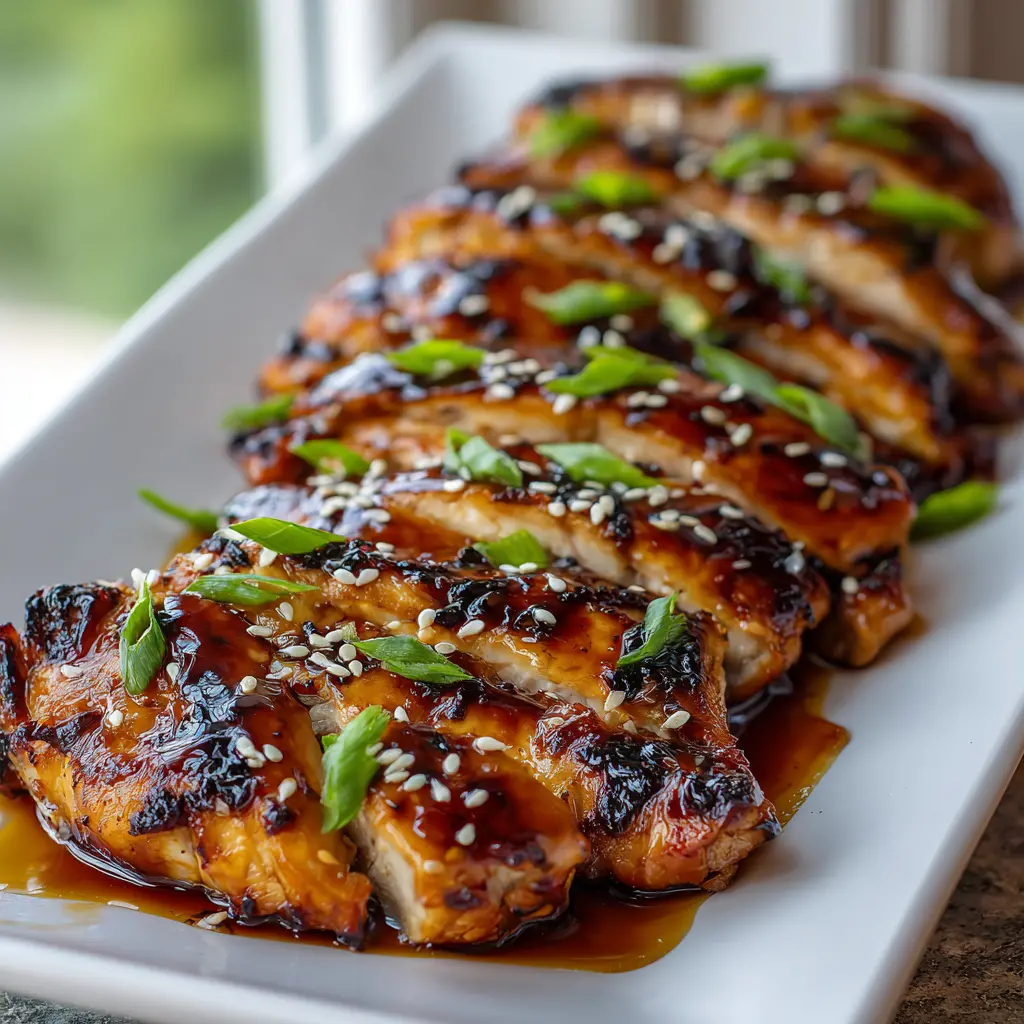
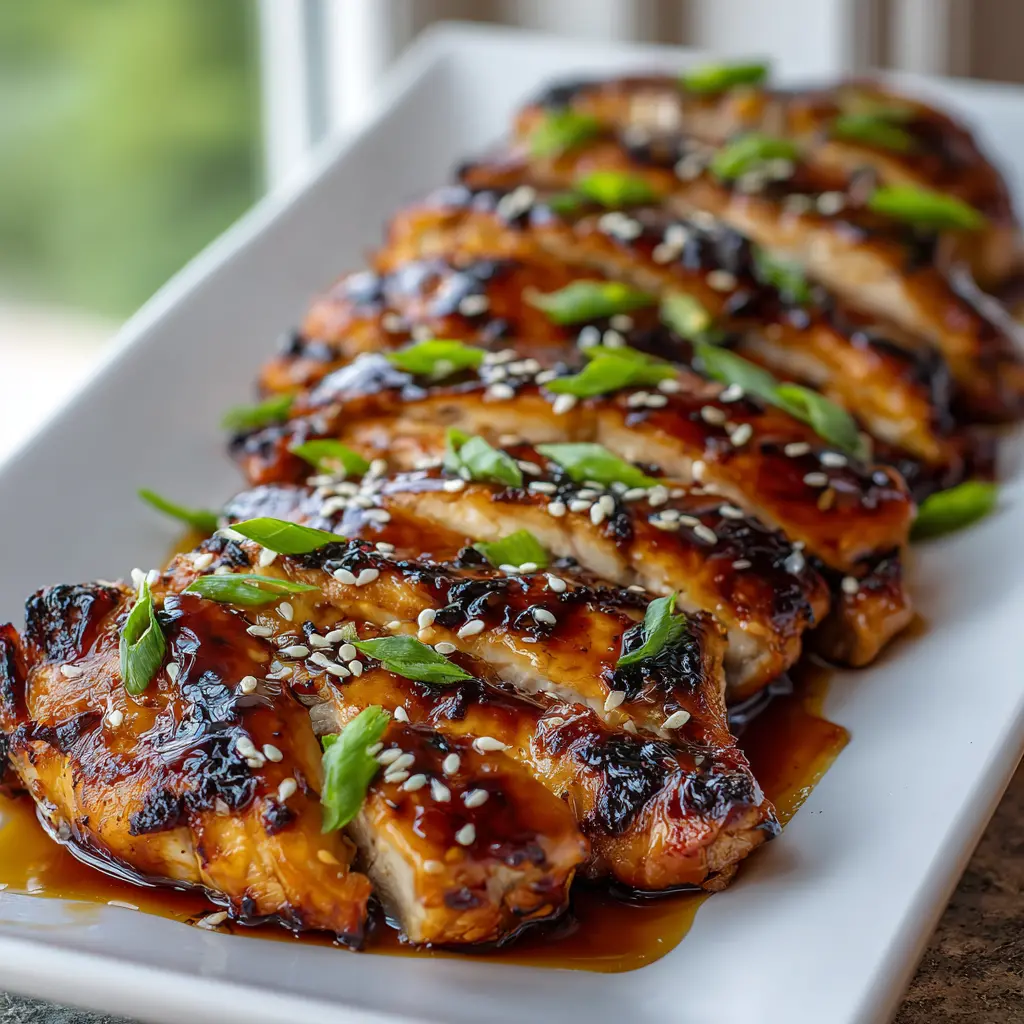
Hawaiian Teriyaki Chicken
Ingredients
Method
- In a medium bowl, whisk together the pineapple juice, soy sauce, brown sugar, honey, rice vinegar, sesame oil, minced garlic, grated ginger, and red pepper flakes until the sugar dissolves.
- Place the chicken thighs in a large resealable plastic bag or a shallow dish. Pour half of the marinade over the chicken, reserving the other half for the sauce. Seal the bag or cover the dish, and refrigerate for at least 2 hours, or overnight for deeper flavor.
- For the grill: Preheat your grill to medium-high heat (about 400°F). Grill the chicken for 5 to 7 minutes per side, until the internal temperature reaches 165°F and the outside is nicely charred.
- For the skillet: Heat a drizzle of oil in a large skillet over medium heat. Cook the chicken for 6 to 8 minutes per side, until golden brown and cooked through.
- Pour the reserved marinade into a small saucepan and bring to a boil over medium-high heat. Reduce the heat to a simmer. In a small bowl, stir together the cornstarch and water to form a slurry, then whisk it into the simmering sauce. Cook for 1 to 2 minutes, until the sauce thickens and becomes glossy.
- Slice the cooked chicken into strips, drizzle with the thickened teriyaki sauce, and garnish with sliced green onions, sesame seeds, and grilled pineapple chunks if desired. Serve immediately over steamed rice or alongside stir-fried vegetables.
Nutrition
Notes
Tried this recipe?
Let us know how it was!What Makes Hawaiian Teriyaki Chicken So Good?
Let me tell you about the first time I made this dish. It was a scorching July afternoon, I had about 30 minutes before guests showed up, and I was panicking. I threw together a quick marinade with stuff I had in the pantry pineapple juice, soy sauce, garlic and hoped for the best. The smell that came off that grill? Unreal. Sweet, savory, a little smoky. My father-in-law, who never compliments food, asked for seconds. Then thirds.
That’s the magic of Hawaiian teriyaki chicken. It’s not just another barbecue chicken recipe. The pineapple juice does something special it tenderizes the meat while adding this bright, tropical sweetness that balances the salty soy sauce. And when that sugar hits the grill grates? You get this caramelized glaze that’s glossy, sticky, and absolutely irresistible.
I’ve tweaked this recipe over the years, and I’m pretty sure this is the one. It’s the kind of dish that feels fancy enough for a July 4th cookout but is actually so simple you could make it on a random Tuesday. No weird ingredients. No complicated techniques. Just honest, delicious Hawaiian chicken that everyone will love.
Why This Recipe Works
I’ve tried a lot of teriyaki recipes over the years. Some were too sweet. Some were too salty. Some just didn’t have that caramelized glaze I was after. This one hits all the right notes, and here’s why.
- One bowl marinade: You literally whisk everything together in one bowl. No need to dirty a dozen dishes. The marinade does double duty half for the chicken, half for the sauce later.
- Pineapple juice is the secret weapon: It’s not just for sweetness. The natural enzymes in pineapple help tenderize the chicken, making it incredibly juicy. Plus, that tropical flavor screams summer.
- Works on grill or pan: No grill? No problem. This recipe works beautifully in a skillet or even under the broiler. I’ll show you both ways.
- That glossy sauce: We’re not just marinating the chicken and calling it done. We’re making a proper teriyaki sauce recipe that you drizzle over the finished dish. It’s what takes it from good to restaurant-quality.
Hawaiian teriyaki chicken is the kind of dish that makes you look like a hero with minimal effort. And honestly? That’s my favorite kind of recipe.
Key Ingredients for the Teriyaki Sauce
Let’s talk about what goes into this teriyaki marinade. Each ingredient has a job, and understanding that will make you a better cook. Trust me.
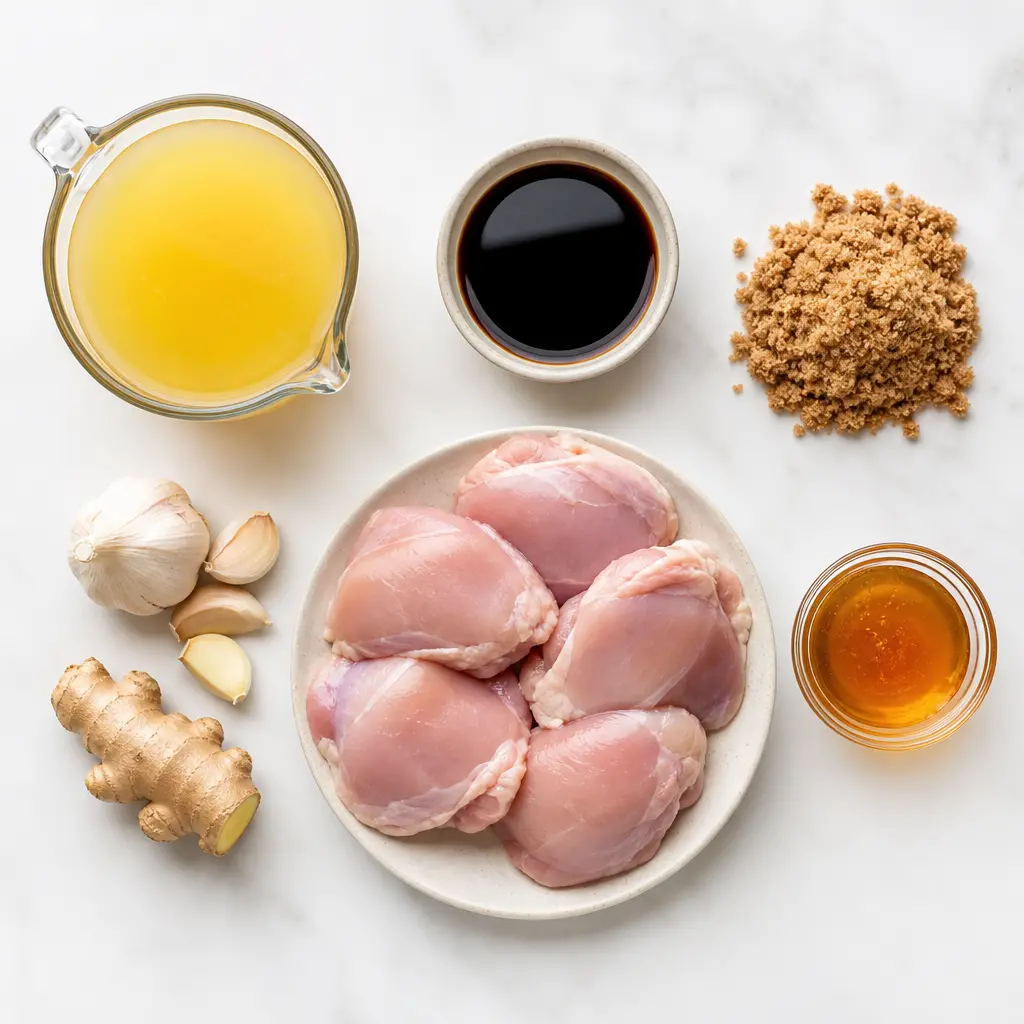
Pineapple juice: This is the star. It adds sweetness, acidity, and those tenderizing enzymes I mentioned. Don’t skip it. Canned pineapple juice works great just make sure it’s 100% juice, not a cocktail blend.
Soy sauce: The salty backbone. I use low-sodium soy sauce so I can control the salt level. You can always add more, but you can’t take it out.
Brown sugar and honey: Double the sweetness, double the caramelization. Brown sugar adds a deeper, almost molasses-like flavor, while honey gives that glossy finish. Together, they create that sweet savory chicken balance.
Rice vinegar: A little tang to brighten everything up. It cuts through the richness and keeps the sauce from being one-note.
Sesame oil: Toasted sesame oil is non-negotiable here. It adds that nutty, aromatic flavor that screams “teriyaki.” A little goes a long way.
Garlic and ginger: Fresh, always fresh. Powdered ginger just doesn’t have the same punch. The garlic mellows as it cooks, but the ginger stays bright and zippy. Don’t be shy with either.
Crushed red pepper flakes: Optional, but I love the little kick. It’s not spicy enough to scare anyone off, but it adds a nice warmth.
Cornstarch: This is what thickens our sauce. Mixed with water to make a slurry, it gives that glossy, almost syrupy texture that clings to the chicken.
How to Make Hawaiian Teriyaki Chicken
Alright, let’s get cooking. I’ll walk you through the four main stages. Remember, the full detailed instructions are in the recipe card above this is just the big picture with my tips and tricks.
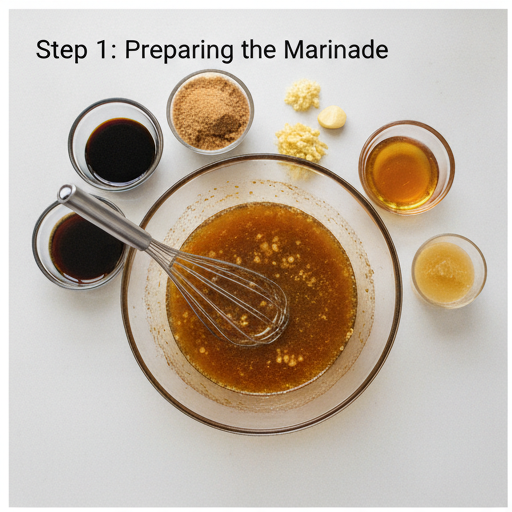
Stage 1: Make the Marinade
Grab a medium bowl and whisk together the pineapple juice, soy sauce, brown sugar, honey, rice vinegar, sesame oil, minced garlic, grated ginger, and red pepper flakes. Whisk until the sugar dissolves. It should smell amazing already sweet, tangy, with that warm ginger aroma. This is your one bowl marinade at its finest.
Here’s the thing: you’re going to split this mixture in half. Half goes on the chicken, half stays in the bowl for the sauce. Don’t skip this step. The reserved half will be boiled and thickened later, so you want it clean no raw chicken juices.
Stage 2: Marinate the Chicken
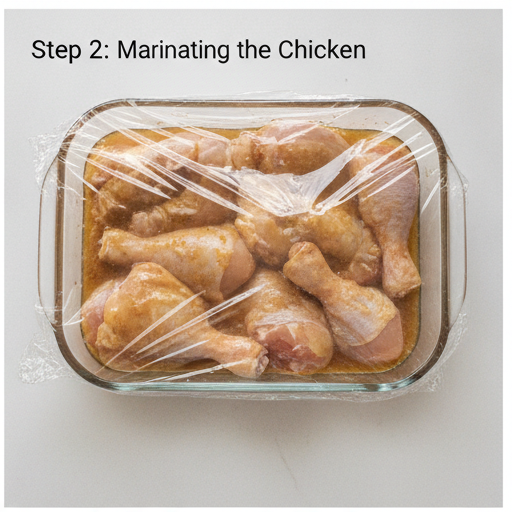
Place your chicken thighs in a large resealable bag or a shallow dish. Pour half the marinade over them, seal it up, and refrigerate. Now, how long should you marinate? At least 2 hours. Overnight is even better. The longer it sits, the deeper the flavor gets.
But here’s a pro tip: don’t go beyond 24 hours. The pineapple juice will start to break down the chicken too much, making it mushy. Trust me, I learned this the hard way when I left it marinating for two days. Not my finest moment.
Stage 3: Cook the Chicken
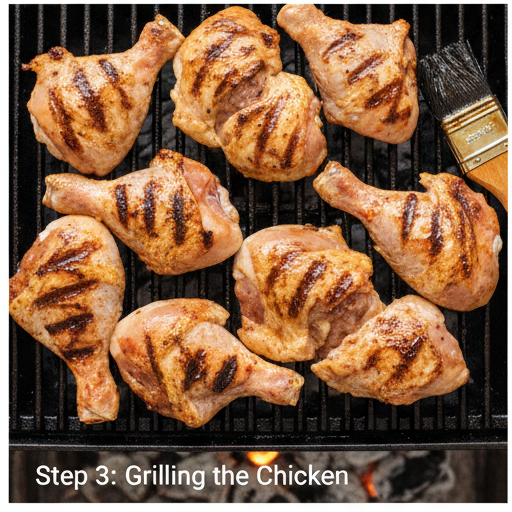
This is where the magic happens. For the grill, preheat to medium-high about 400°F. Grill the chicken for 5 to 7 minutes per side. You’re looking for nice char marks and an internal temperature of 165°F. The sugar in the marinade will caramelize, giving you that beautiful caramelized glaze.
For the skillet method, heat a drizzle of oil over medium heat. Cook the chicken for 6 to 8 minutes per side until golden brown and cooked through. The key is medium heat too high and the sugar will burn before the chicken is done.
Don’t have a meat thermometer? I get it. But honestly, it’s the best investment you can make for summer grilling. No more dry, overcooked chicken.
Stage 4: Make the Sauce and Serve
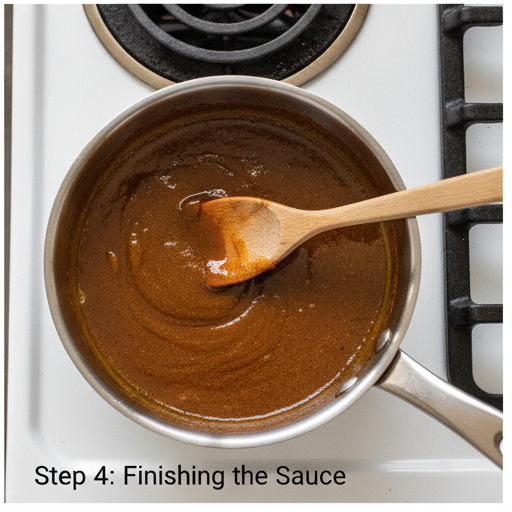
While the chicken rests, pour the reserved marinade into a small saucepan and bring it to a boil. Boil it for a full minute this kills any bacteria. Then reduce to a simmer. In a small bowl, stir together the cornstarch and water to make a slurry, then whisk it into the simmering sauce. Cook for 1 to 2 minutes until it thickens and turns glossy.
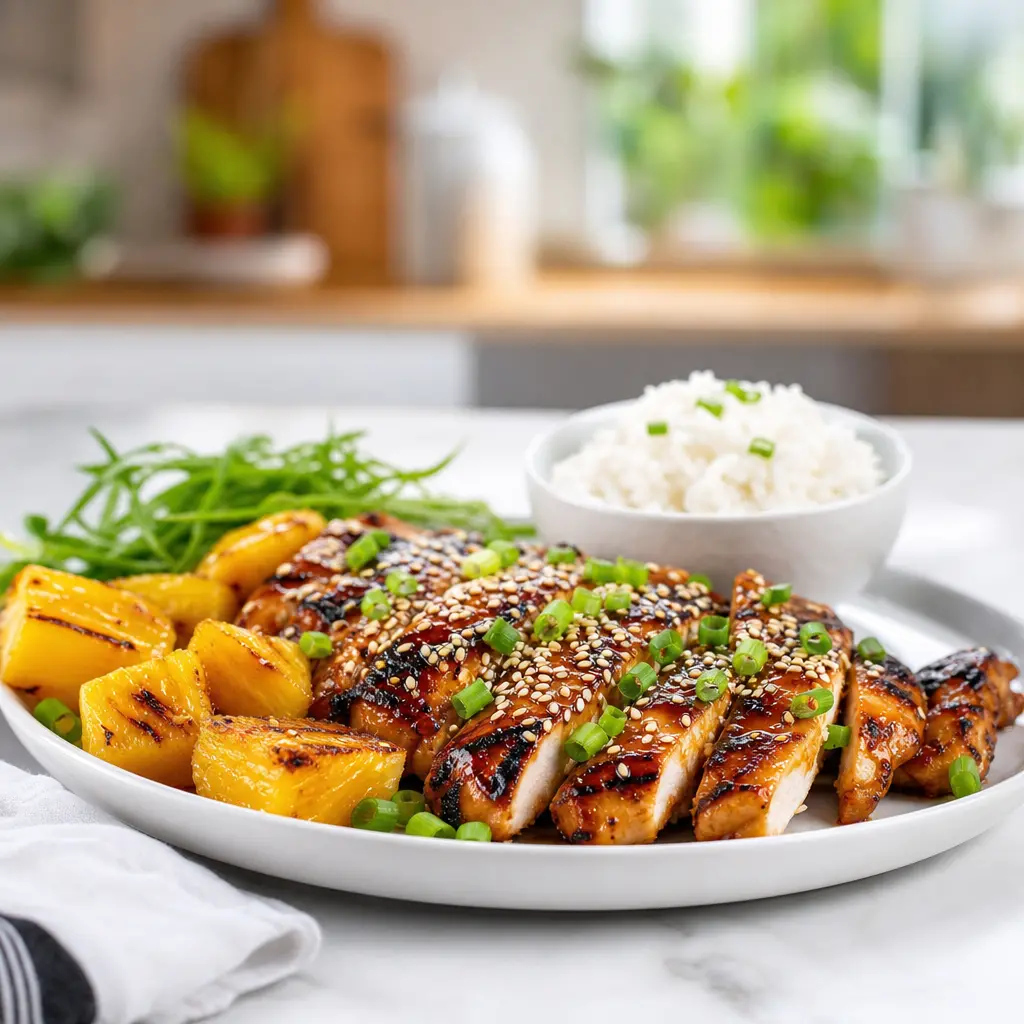
Slice the chicken into strips, drizzle with that gorgeous sauce, and garnish with sliced green onions and toasted sesame seeds. If you’re feeling fancy, add some grilled pineapple chunks on the side. The combination of the savory chicken and sweet, charred pineapple is absolutely incredible.
Tips for the Best Results
I’ve made this Hawaiian teriyaki chicken more times than I can count, and I’ve made every mistake in the book. Here’s what I’ve learned so you don’t have to.
Common Mistakes and How to Fix Them
❌ Mistake: Overcrowding the grill or pan. This steams the chicken instead of searing it.
✅ Solution: Cook in batches if needed. Give each piece room to breathe and caramelize.
❌ Mistake: Not using a meat thermometer. You end up with dry, overcooked chicken.
✅ Solution: A simple instant-read thermometer is your best friend. 165°F is the magic number.
❌ Mistake: Basting too early with the reserved marinade. The raw chicken juices can contaminate it.
✅ Solution: Only baste with the reserved, clean marinade after it’s been boiled. Or just use a brush dedicated to raw chicken.
❌ Mistake: Using powdered ginger instead of fresh. The flavor is just not the same.
✅ Solution: Fresh ginger is worth the extra minute of peeling and grating. It’s a game-changer.
One more thing: watch the salt. Soy sauce is plenty salty on its own, so you don’t need to add extra salt to the marinade. Trust the balance.
How to Store and Reheat Leftovers
If you have leftovers and that’s a big if, because this stuff disappears fast here’s how to handle them.
Storage: Place the cooled chicken and sauce in an airtight container. It will keep in the fridge for up to 3 days. The sauce might thicken a bit as it sits, but that’s fine.
Reheating: The best way is in a skillet over medium heat with a splash of water or extra pineapple juice. This brings back the moisture and the glaze. You can also microwave it covered for 1 to 2 minutes, but the texture won’t be as good.
Freezing: You can freeze the cooked chicken for up to 2 months. Wrap it tightly in plastic wrap and then foil, or use a freezer-safe bag. Thaw in the fridge overnight and reheat as above.
Make-ahead tip: You can prep the marinade (without the cornstarch slurry) up to 3 days in advance. Just add the slurry when you’re ready to serve. This makes Hawaiian teriyaki chicken an even easier quick dinner option on busy nights.
Frequently Asked Questions
So there you have it my tried-and-true recipe for Hawaiian teriyaki chicken. It’s sweet, savory, juicy, and absolutely packed with flavor. Whether you’re firing up the grill for a July 4th cookout or just need a quick weeknight dinner, this one’s a winner.
I’d love to hear how it turns out for you. Drop a comment below or tag me in your photos. And if you’re looking for more summer grilling inspiration, check out my Pinterest board for more easy, family-friendly recipes.
Source: Research Source
What is the difference between teriyaki chicken and huli huli chicken?
Great question! Both are Hawaiian-style chicken dishes, but the main difference is the sauce. Huli huli chicken uses a tomato-based sauce with ginger and soy, while Hawaiian teriyaki chicken relies on a soy sauce and pineapple-based marinade. Huli huli is also typically cooked over an open fire, while teriyaki is more versatile for grill or pan.
Is stir fry Japanese or Chinese?
Stir-frying as a technique actually originated in China. However, it has been widely adopted in Japanese cuisine, especially with teriyaki-style dishes. When you make Hawaiian teriyaki chicken, you’re drawing from multiple culinary traditions Chinese stir-fry techniques, Japanese teriyaki flavors, and Hawaiian ingredients like pineapple. It’s a delicious fusion!
Can I use chicken breasts instead of thighs for teriyaki chicken?
Absolutely! Chicken breasts work fine, but they cook faster and can dry out more easily. If using breasts, reduce the grilling time to 4 to 5 minutes per side and check for 165°F internal temperature. Thighs are more forgiving and stay juicier, which is why I prefer them for this recipe.
How do you thicken homemade teriyaki sauce without cornstarch?
If you’re out of cornstarch, you can use arrowroot powder or potato starch as a 1:1 substitute. Another option is to simmer the sauce longer about 10 to 15 minutes to reduce and naturally thicken it. The texture won’t be as glossy, but it will still taste delicious.
How long does Hawaiian teriyaki chicken last in the fridge?
Store it in an airtight container, and it will stay fresh for up to 3 days. The sauce might thicken as it sits, but that’s totally normal. For best results, reheat in a skillet with a splash of water or pineapple juice to bring back that glossy glaze.
What sides go well with Hawaiian teriyaki chicken?
This dish pairs beautifully with steamed jasmine rice or a classic Hawaiian mac salad. For something lighter, try a fresh pineapple salsa or a simple cucumber salad. Grilled vegetables like bell peppers and zucchini also work great. It’s a versatile dish that fits any summer spread!