
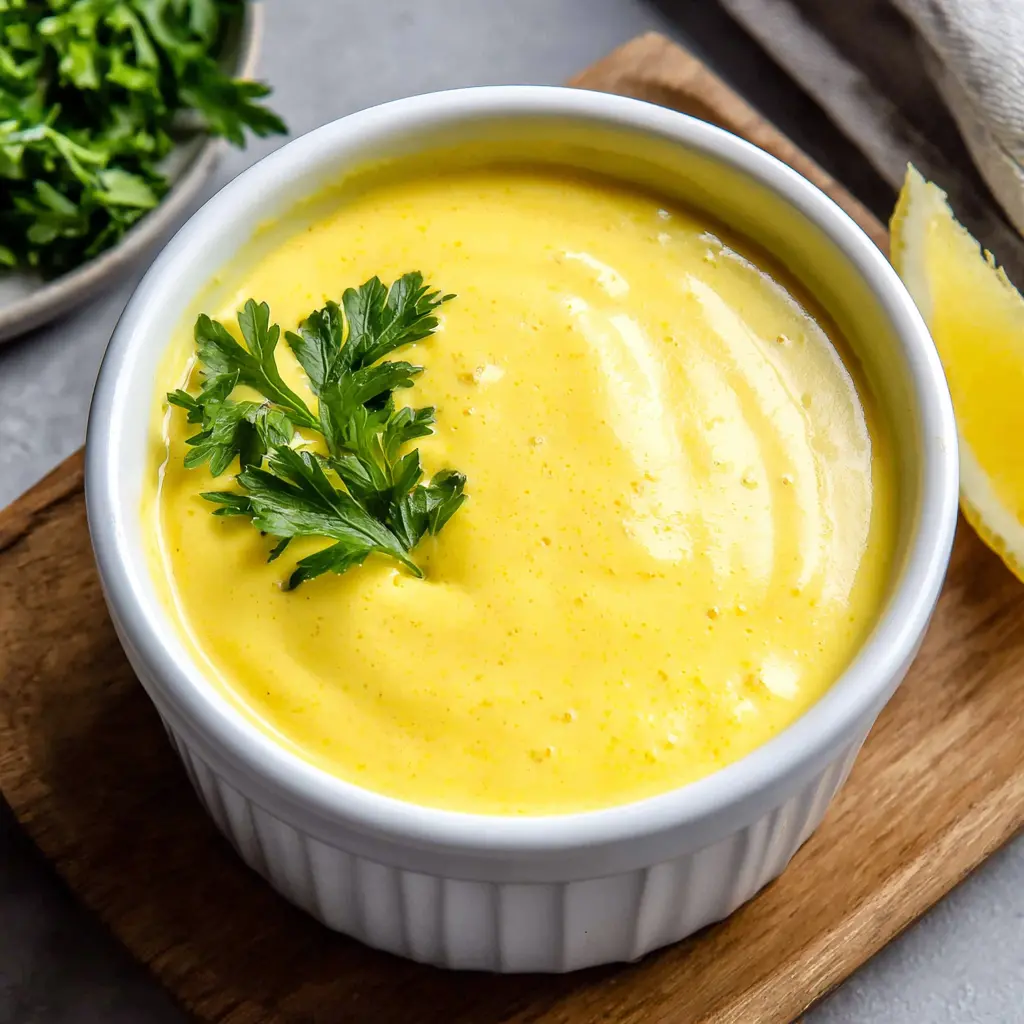
What Is Hollandaise Sauce?
I’ll be honest with you. My first attempt at hollandaise sauce was a disaster. I’m talking scrambled eggs in a pan, a greasy mess, and a lot of frustration. I thought I was doing everything right, but the sauce just broke. It was curdled, lumpy, and honestly, pretty sad. I almost gave up on it entirely.
But here’s the thing. Hollandaise is one of those sauces that feels like a secret handshake in the cooking world. It’s a classic French mother sauce, and for good reason. It’s rich, silky, and has this incredible lemony tang that just makes everything better. Drizzle it over poached eggs for eggs Benedict, or spoon it over steamed asparagus, grilled salmon, or roasted artichokes. It’s the kind of thing that turns a simple meal into something special.
So what exactly is it? At its core, hollandaise sauce is an emulsion. It’s a stable mixture of egg yolks and melted butter, held together by a little bit of acid (usually lemon juice) and a lot of whisking. Think of it like a mayonnaise, but with butter instead of oil. And like mayonnaise, it’s all about technique. But I promise, once you understand the science, it becomes way less scary.
This recipe is my go-to. It’s easy, uses just one saucepan, and takes about 10 minutes. No double boiler needed. No immersion blender. Just a whisk and a little bit of patience. I’ve tested it dozens of times, and I’m confident you can nail it on your first try. Your first batch might not be perfect, and that’s okay. But with these tips, you’ll be well on your way to a silky, restaurant-quality sauce.
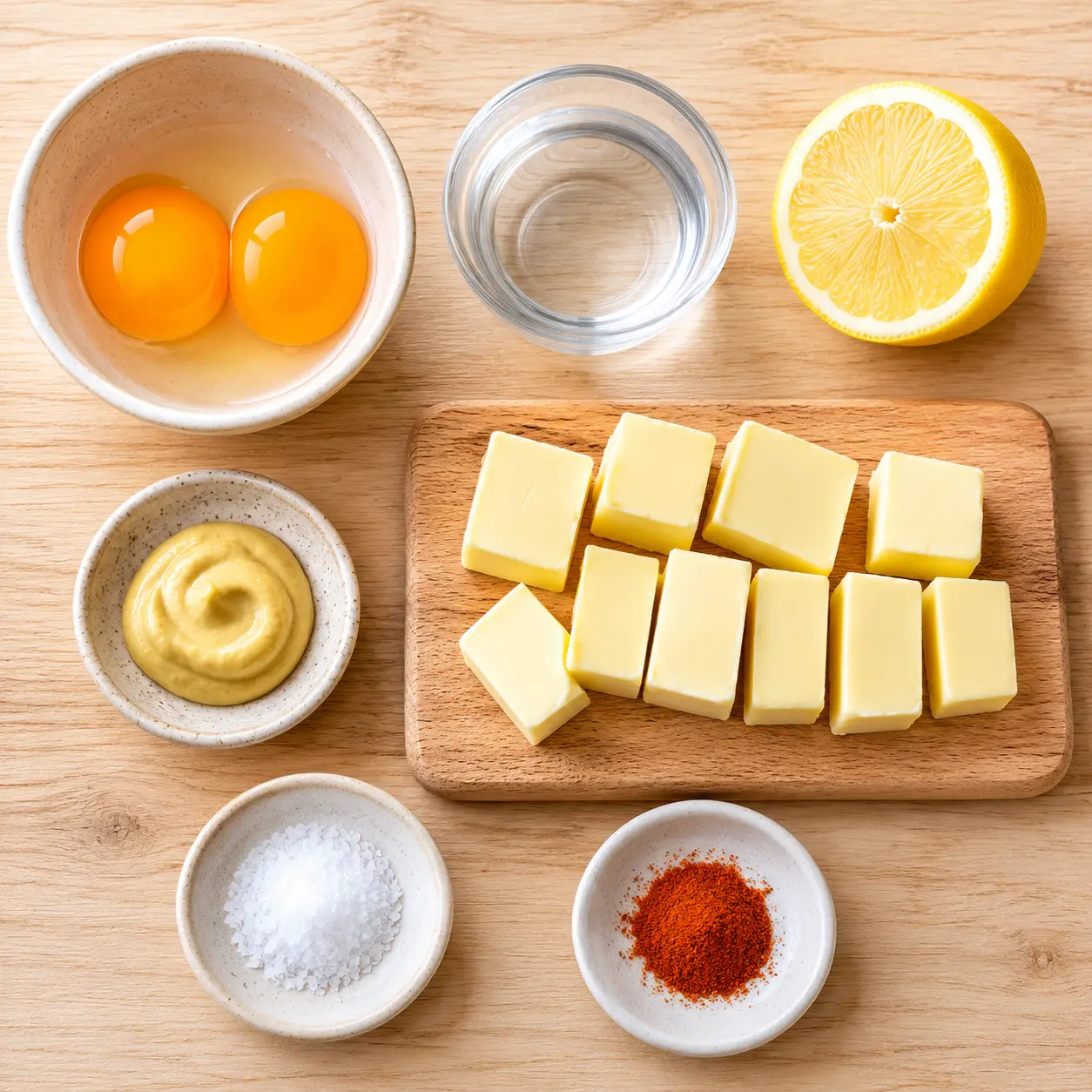
Ingredients for Easy Hollandaise
This recipe uses just seven simple ingredients. Each one plays a crucial role in building that perfect emulsion. Let’s break them down.
- 2 large egg yolks: These are the backbone of the sauce. They provide the emulsifying power. The lecithin in the yolks acts like a bridge, allowing the fat (butter) and water (lemon juice and water) to mix together. Use the freshest eggs you can find, ideally from a local farmers’ market or a trusted brand like those from Ralphs or Whole Foods.
- 2 tablespoons lukewarm water: This is the liquid base that helps start the emulsion. It’s important that it’s lukewarm, not hot. Too hot and you’ll scramble the eggs. Too cold and the butter will seize up.
- 2 teaspoons fresh lemon juice: The acid is key. It not only adds that bright, tangy flavor but also helps stabilize the emulsion. I prefer Meyer lemons when they’re in season they’re milder and a little sweeter. But regular lemons work perfectly fine.
- 1/2 teaspoon Dijon mustard: This is my secret weapon. The mustard acts as an additional emulsifier, making the sauce more stable and less likely to break. It also adds a subtle, savory depth.
- 8 tablespoons unsalted butter: That’s one stick. Use unsalted so you can control the saltiness. Cut it into small pieces before you start this helps it melt evenly and quickly.
- 1/4 teaspoon fine sea salt: For seasoning. Fine sea salt dissolves quickly, which is important for a smooth sauce.
- 1/8 teaspoon cayenne pepper: Just a pinch. It adds a gentle warmth at the end, not heat. It’s the classic finishing touch.
That’s it. No fancy ingredients, no complicated steps. Just good, honest cooking.
How to Make Hollandaise Sauce
Now for the fun part. This method is all about control. You’re going to cook the sauce gently over low heat, whisking constantly. The key is to be patient and not rush the process. Let’s walk through the major stages.
The Base: Whisking the Yolks
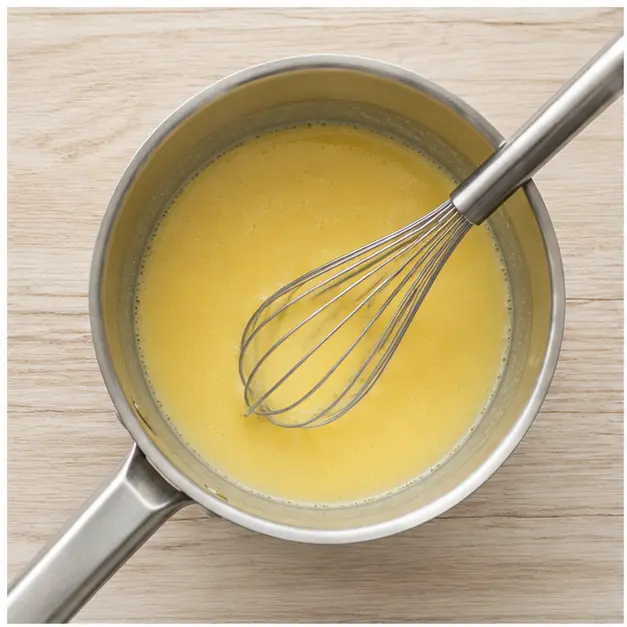
Start by grabbing a small, non-reactive saucepan. Avoid aluminum, cast iron, or copper they can react with the acid and give the sauce a metallic taste. I use a small stainless steel saucepan from my set from Vons. In the pan, whisk together the egg yolks, lukewarm water, fresh lemon juice, and Dijon mustard. Whisk until the mixture is smooth and well combined. It should be a pale, uniform yellow. No streaks of yolk or mustard.
Cooking the Sauce: The Emulsion Begins
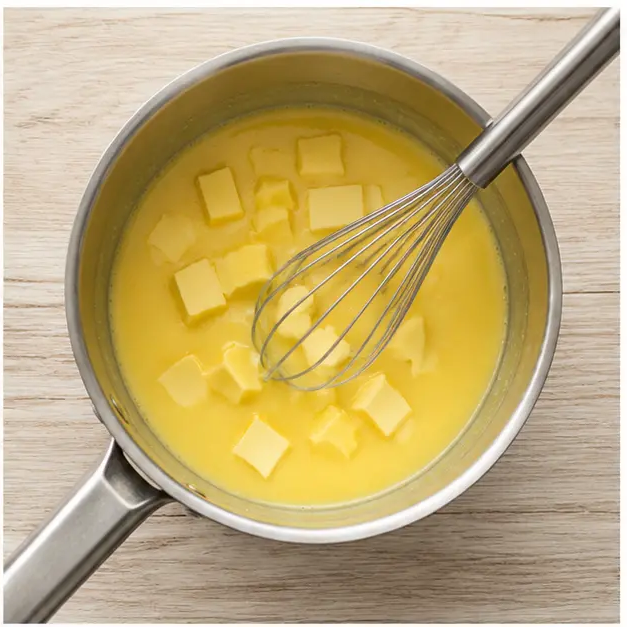
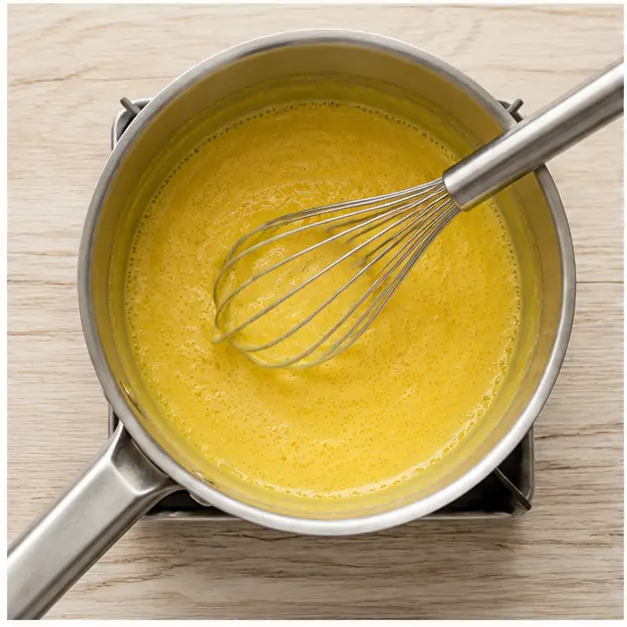
Now, add the butter pieces to the egg mixture. Place the pan over low to medium-low heat. This is the most important part. You want a gentle heat, not a roaring flame. Start whisking immediately and keep whisking constantly. As the butter melts, you’ll see the sauce start to become slightly frothy. That’s a good sign. If the butter starts to sizzle or you see any sign of the eggs clumping, lift the pan off the heat and keep whisking. The residual heat will continue to melt the butter and cook the eggs.
The Thickening: Patience is Key
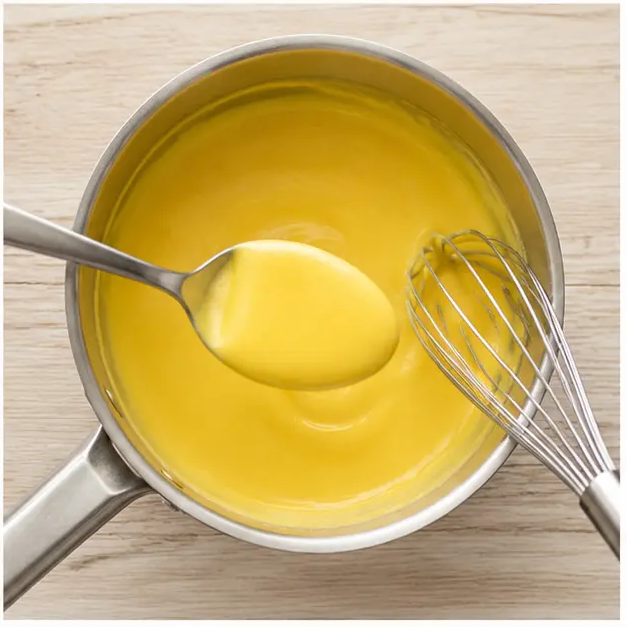
Cook for about 3 minutes, whisking continuously. You’re looking for the sauce to become smooth and slightly thickened. It should coat the back of a spoon. To test, draw a line through the sauce on the spoon with your finger. If the line stays clear and the sauce doesn’t run back together, it’s done. The texture should look like thick cream. If it’s still runny, keep whisking for another 30 seconds to a minute. Remember, low and slow is the name of the game.
Finishing: Season and Serve
Remove the pan from the heat immediately. Stir in the salt and cayenne pepper, adjusting to taste. A little cayenne goes a long way, so start with a pinch and add more if you want a bit more warmth. Serve right away. If the sauce thickens too much while you’re waiting, you can whisk in a teaspoon of warm water to thin it out. It’s that simple.
Tips for Perfect Hollandaise
Here are a few things I’ve learned from my many, many batches of hollandaise. These tips will help you avoid the common pitfalls.
- Temperature control is everything. The ideal temperature range for cooking hollandaise is between 130°F and 150°F. If you have an instant-read thermometer, use it. But honestly, you can also just use your eyes and your whisk. If the sauce starts to look grainy or you see small lumps, it’s getting too hot. Lift the pan off the heat immediately.
- Whisk, whisk, whisk. I can’t emphasize this enough. Constant, steady whisking is what creates the emulsion. Don’t stop for a second. If you do, the fat and water will separate.
- Use a non-reactive pan. I mentioned this before, but it’s worth repeating. Aluminum or cast iron can react with the acid from the lemon juice and give your sauce a weird metallic taste. Stick with stainless steel or enameled cookware.
- Don’t be afraid to use the ice cube trick. If your sauce starts to break (separate), immediately remove it from the heat and whisk in a single ice cube. The sudden drop in temperature can help bring the emulsion back together. It’s saved me more times than I can count.
- Practice makes perfect. Your first batch might not be perfect, and that’s okay. I promise, it gets easier. The more you make it, the more you’ll get a feel for the heat and the whisking rhythm.
Common Mistakes and How to Fix Them
So, you’ve made your hollandaise and it’s not perfect. Don’t panic. It happens to everyone. Here are the most common issues and how to fix them.
❌ Mistake: The sauce is too thin and runny.
✅ Solution: You probably didn’t cook it long enough. Return the pan to low heat and whisk constantly for another 30-60 seconds. The sauce should thicken up nicely. If it’s still thin, you might have added too much water. Next time, use a little less.
❌ Mistake: The sauce is curdled or scrambled.
✅ Solution: This happens when the heat is too high. You’ve essentially cooked the egg yolks. To fix it, immediately remove the pan from the heat. Whisk in a teaspoon of cold water or an ice cube. If that doesn’t work, start over with a new egg yolk in a clean bowl. Slowly whisk the broken sauce into the new yolk, just like making a new emulsion.
❌ Mistake: The sauce is greasy or separated.
✅ Solution: This means the emulsion has broken. The fat has separated from the water. Try the ice cube trick first. If that doesn’t work, whisk a new egg yolk in a clean bowl, then slowly whisk in the broken sauce drop by drop. This is called the rescue method, and it works almost every time.
❌ Mistake: The sauce tastes too acidic.
✅ Solution: You might have used too much lemon juice. Next time, start with a little less and add more to taste. You can also balance the acidity by whisking in a tiny pinch of sugar.
❌ Mistake: The sauce is bland.
✅ Solution: Don’t be shy with the salt and cayenne. A little seasoning goes a long way. Also, make sure you’re using fresh lemon juice. Bottled lemon juice can be flat and one-dimensional.
Storage and Reheating
Hollandaise is best fresh, I’ll be honest. But if you have leftovers, you can store them. Let the sauce cool to room temperature, then transfer it to an airtight container. Refrigerate it within 2 hours of making it. It will keep for up to 2 days.
To reheat, place the sauce in a heatproof bowl over a pan of simmering water (a makeshift double boiler) or in a small saucepan over very low heat. Whisk often. Do not let it simmer or boil, or it will break again. If it seems too thick, whisk in a teaspoon of warm water to thin it out.
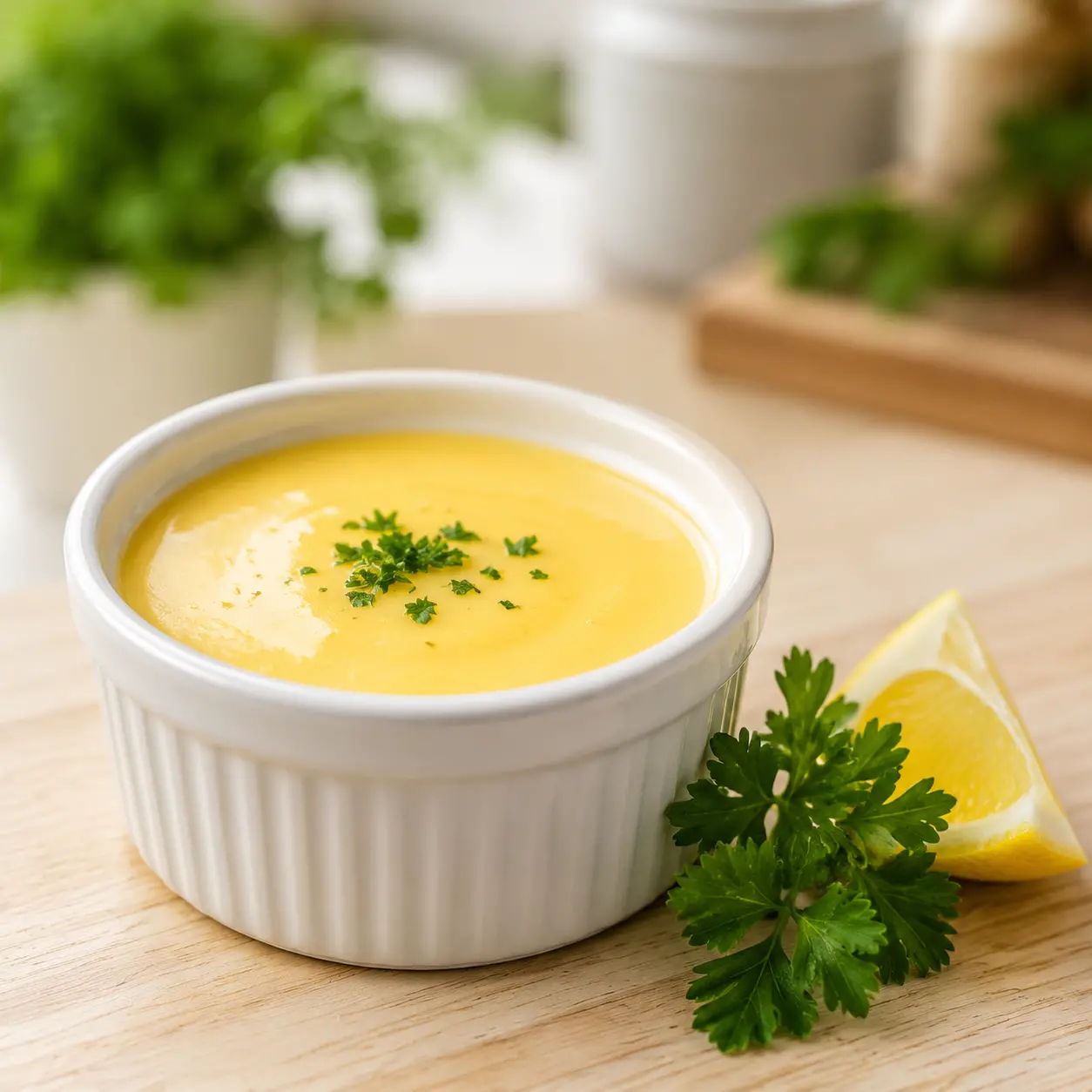
I hope this guide helps you feel more confident about making hollandaise sauce. It’s one of those things that looks intimidating but is actually quite simple once you get the hang of it. And the payoff is huge. A perfectly silky, lemony sauce that makes any meal feel like a special occasion. Now go make that perfect brunch. You’ve got this.
If you love this recipe, be sure to check out my Pinterest board for more brunch inspiration. I’m always pinning new ideas for eggs Benedict, salmon dishes, and other breakfast favorites.
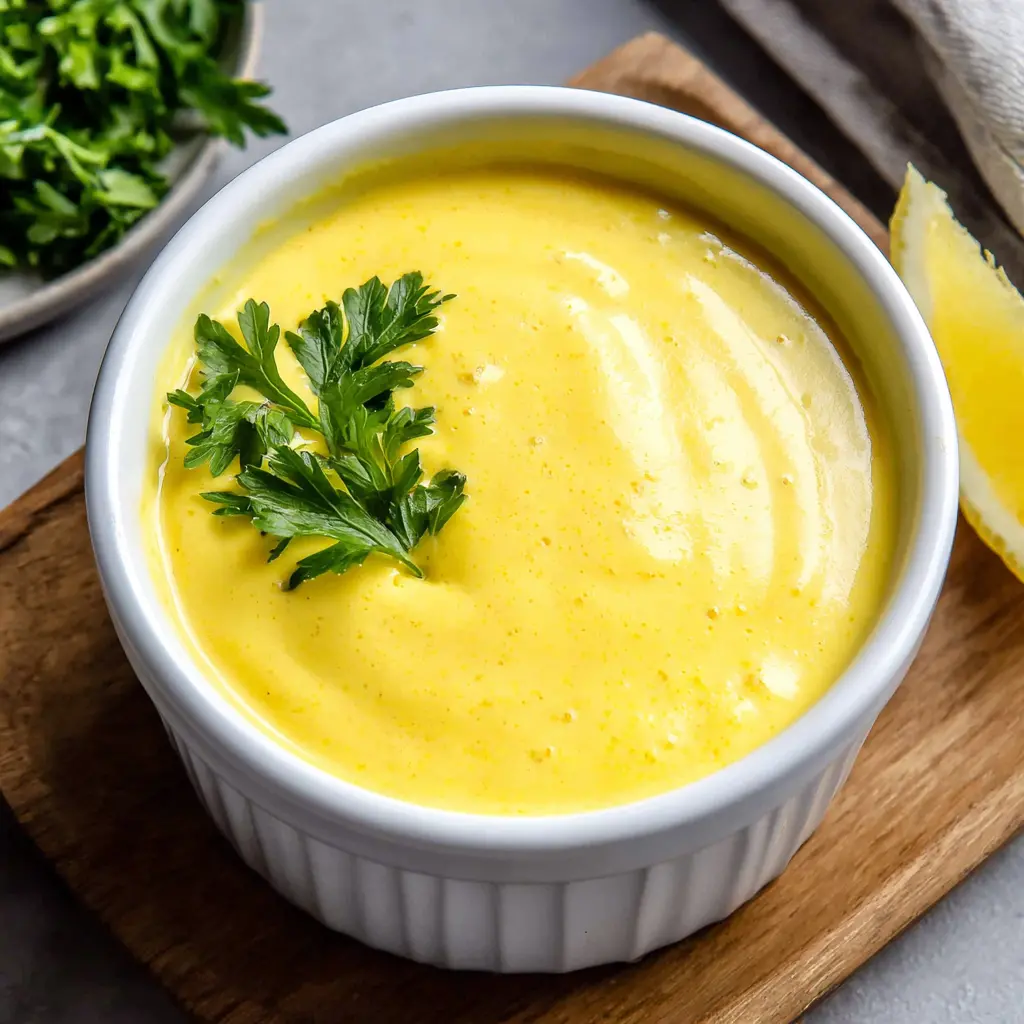
Easy Hollandaise Sauce
Ingredients
Method
- In a small non-reactive saucepan (avoid aluminum, cast iron, or copper), whisk together the egg yolks, lukewarm water, fresh lemon juice, and Dijon mustard until smooth and well combined.
- Add the butter pieces to the egg mixture. Place the pan over low to medium-low heat and whisk constantly. As the butter melts, the sauce will become slightly frothy. If the butter starts to sizzle or the eggs begin to clump, lift the pan off the heat and keep whisking.
- Cook for about 3 minutes, whisking continuously, until the sauce is smooth, slightly thickened, and coats the back of a spoon. To test, draw a line through the sauce on the spoon with your finger; the line should stay clear.
- Remove the pan from the heat immediately. Stir in the salt and cayenne pepper, adjusting to taste. Serve right away, or cover to keep warm. If the sauce thickens too much, whisk in 1 teaspoon of warm water to thin it out.
Nutrition
Notes
Tried this recipe?
Let us know how it was!Frequently Asked Questions
Source: Nutritional Information
What is hollandaise sauce made of?
Hollandaise sauce is made from egg yolks, melted butter, and an acid, usually lemon juice. This recipe also uses a little water and Dijon mustard for stability, plus salt and cayenne pepper for seasoning. It’s a simple emulsion of fat and water.
What is the most common mistake in hollandaise sauce?
The most common mistake is overheating the sauce, which causes the egg yolks to scramble and the emulsion to break. This happens when the heat is too high or you stop whisking. Always cook over low heat and whisk constantly to avoid this.
What’s the difference between Benedict sauce and Hollandaise sauce?
There’s no official “Benedict sauce.” The sauce served on eggs Benedict is hollandaise sauce. Some variations might add a touch of cream or cayenne, but the base is always the same: a classic hollandaise emulsion of egg yolks and butter.
How to make hollandaise sauce simple?
This recipe is the simplest way. You whisk egg yolks, water, lemon juice, and Dijon mustard in a saucepan, add butter pieces, and cook over low heat while whisking constantly. It takes about 10 minutes and uses just one pan. No double boiler or blender needed.
Can you turn mayonnaise into hollandaise?
No, you cannot directly turn mayonnaise into hollandaise. They are different emulsions. Mayonnaise uses oil, while hollandaise uses butter. The flavor and texture are completely different. However, you can use the same whisking technique to make both.
Is it okay to eat hollandaise sauce?
Yes, hollandaise sauce is safe to eat when made with fresh, properly handled ingredients. The gentle cooking process heats the egg yolks enough to be safe. Use pasteurized eggs if you are concerned about salmonella, especially for those with compromised immune systems.
Why do I feel sick after hollandaise sauce?
Feeling sick after eating hollandaise could be due to the high fat content, which can be heavy for some people. It could also be a reaction to the eggs or butter. If you’re sensitive to dairy, use clarified butter. If you’re allergic to eggs, this sauce is not for you.
What did Anthony Bourdain say about hollandaise?
Anthony Bourdain famously said that hollandaise is one of the five “mother sauces” of French cuisine and that a good chef should be able to make it blindfolded. He respected its simplicity and its power to elevate a dish, but also its potential to fail spectacularly.
Why is hollandaise sauce so tricky to make?
Hollandaise is tricky because it’s a delicate emulsion that requires precise temperature control. Too much heat cooks the eggs, too little and it won’t thicken. Constant whisking is also essential to keep the fat and water from separating. It’s a test of patience and technique.
Is bearnaise sauce the same as hollandaise sauce?
No, they are different. Béarnaise sauce is a variation of hollandaise. It uses a reduction of vinegar, tarragon, and shallots instead of lemon juice. The technique is the same, but the flavor is more savory and herbal, making it a classic pairing for steak.
What’s a good substitute for hollandaise sauce?
A quick substitute is a simple lemon butter sauce: melt butter with lemon juice, salt, and a pinch of cayenne. It won’t be as thick or creamy, but it has a similar flavor. You can also use a high-quality store-bought hollandaise from a specialty store like Whole Foods.
Does hollandaise sauce taste good?
Yes, hollandaise sauce tastes wonderful. It’s rich, buttery, and tangy from the lemon juice, with a subtle warmth from the cayenne pepper. The texture is silky and luxurious. It’s a classic for a reason it makes everything it touches taste better.
What kind of vinegar is best for hollandaise?
This recipe uses lemon juice, not vinegar. Lemon juice provides the necessary acid for the emulsion and flavor. If you wanted to use vinegar, a white wine vinegar or a mild tarragon vinegar would work, but it would change the flavor profile significantly.
How to make the perfect hollandaise?
The perfect hollandaise is all about technique. Use fresh egg yolks, a non-reactive pan, and low heat. Whisk constantly until the sauce thickens and coats the back of a spoon. Season with salt and a pinch of cayenne. Don’t rush it, and you’ll get a silky, stable sauce.
How can I avoid salmonella in hollandaise?
To avoid salmonella, use pasteurized eggs, which are heat-treated to kill bacteria. You can find them at most grocery stores like Ralphs or Vons. Also, cook the sauce gently to an internal temperature of 160°F, which is sufficient to kill any potential pathogens.