
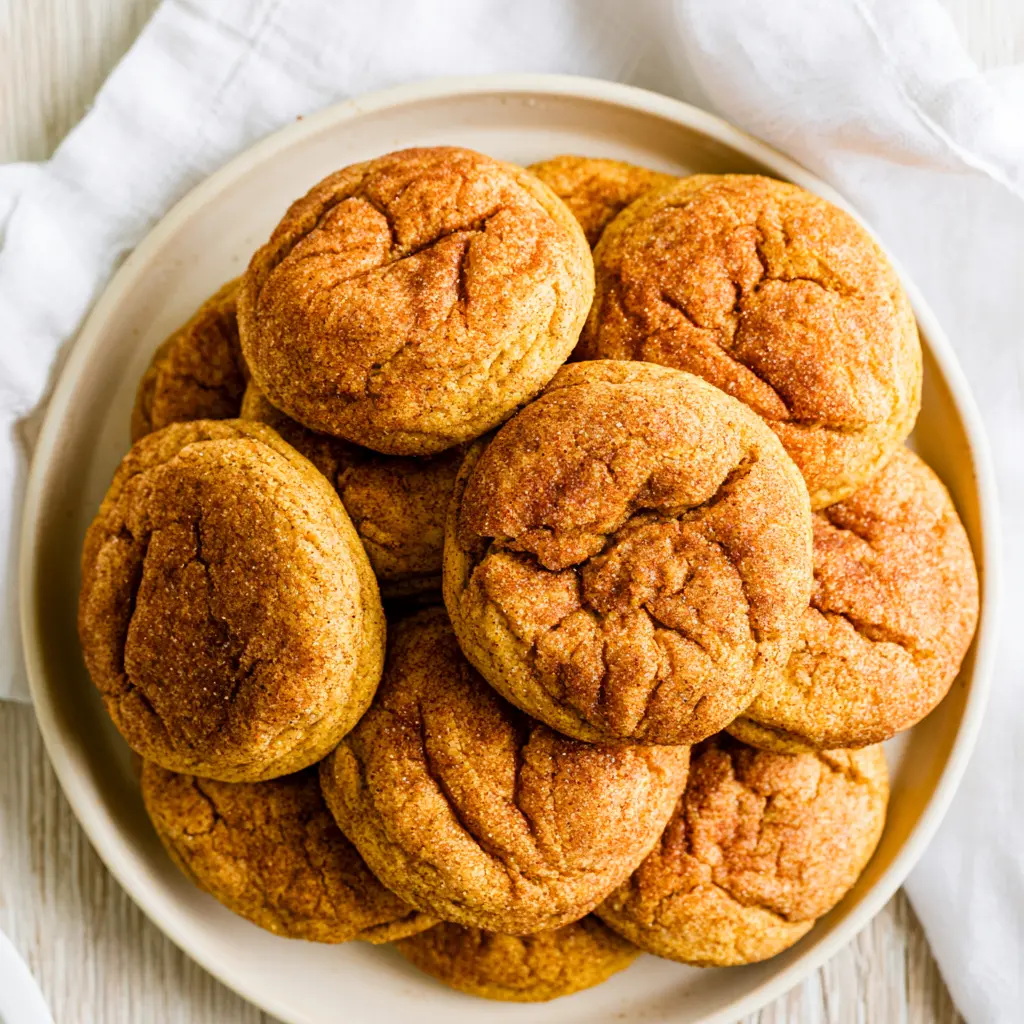
Why You’ll Love These Pumpkin Snickerdoodles
It’s August in Los Angeles. It’s 94 degrees outside, my AC is working overtime, and I just preheated the oven to 350°F to make pumpkin snickerdoodle cookies. Don’t judge me. Pumpkin cravings don’t follow the calendar, okay? The pumpkin-spice-everything wave starts rolling in earlier every year, and honestly, I’m a willing passenger. These soft pumpkin snickerdoodles are everything I want in a fall cookie. Classic snickerdoodle crackle on top. Cloud-soft center. Just enough real pumpkin puree to make every bite taste like October. The first time I made these pumpkin snickerdoodle cookies, it was for a late-summer potluck at a friend’s place. I walked in with a Tupperware container, set it on the table, and by the time I’d finished saying hi to people, they were gone. Someone actually asked if I’d cater their kid’s birthday party. Here’s the deal. Pumpkin snickerdoodle cookies are not complicated. But they do have a couple of rules that separate “those are cute” from “please bring these to every event forever.” This pumpkin snickerdoodle recipe hits all the marks. The tops crackle under a cinnamon sugar coating, the centers stay soft and chewy, and the whole kitchen turns into a cinnamon cloud. Turning on the oven in August? Worth it. Trust me.Ingredient Notes and Substitutions
Ready to bake? Before you start, let’s talk about what goes into these pumpkin snickerdoodle cookies. Every ingredient has a job, and a few can’t really be swapped without changing the outcome.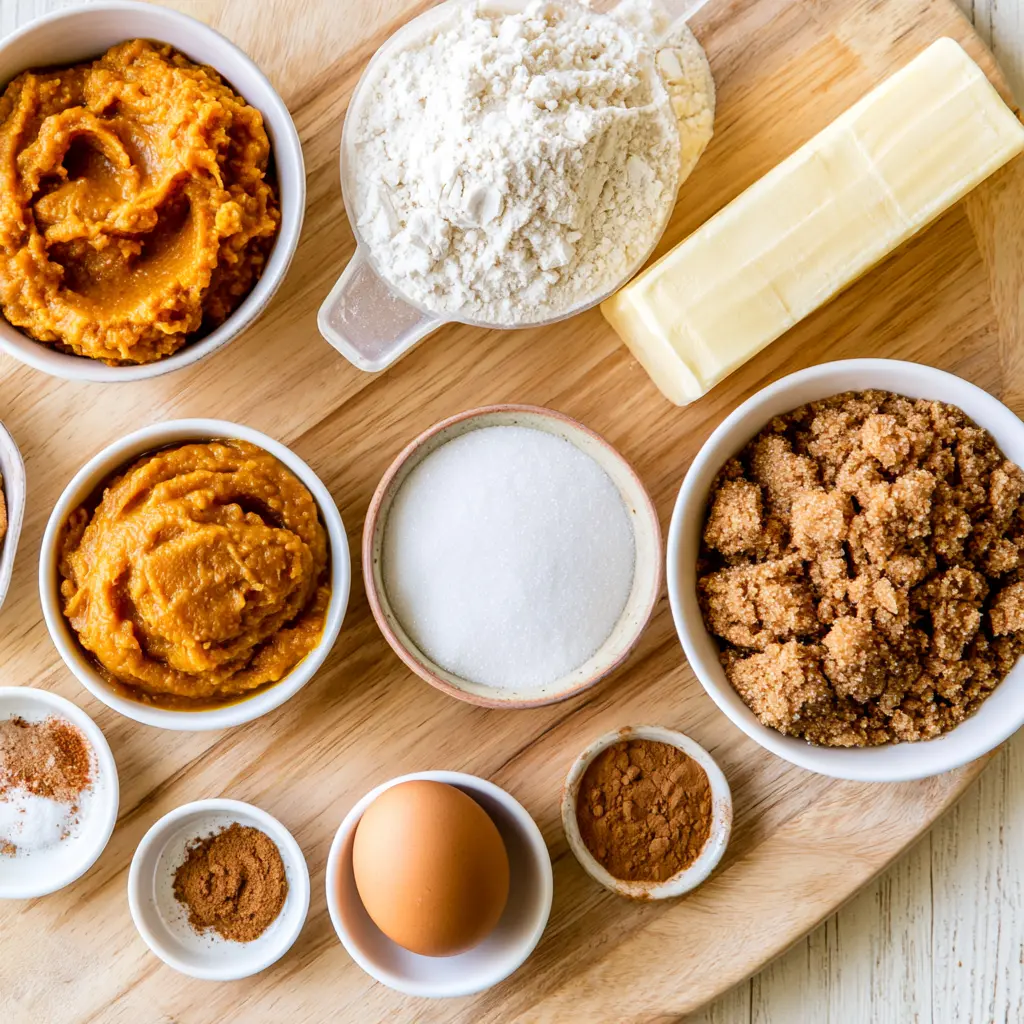
- Pumpkin puree. Use 100% pure pumpkin puree, not pumpkin pie filling. They look similar in the store, but pie filling comes pre-sweetened and spiced, which throws off the whole balance. Canned pumpkin works perfectly. You need half a cup.
- Cream of tartar. This is the snickerdoodle secret weapon. It reacts with the baking soda to create that tender, chewy crumb and adds a subtle tang. Don’t skip it. If you must substitute, use 2 teaspoons of lemon juice or vinegar in its place, but the texture won’t be quite as soft.
- Butter. One cup of unsalted butter at room temperature. Not melted, not straight from the fridge. Room temp butter creams properly with the sugars. Using salted butter? Cut the added salt down to 1/4 teaspoon.
- The spices. Ground cinnamon, ginger, nutmeg, and allspice. This combo tastes like a fresh homemade pumpkin pie spice blend. In a pinch, use 2 1/2 teaspoons of store-bought pumpkin pie spice in place of the ginger, nutmeg, and allspice. Keep the cinnamon as written.
- Sugars. You’ll use both granulated sugar and packed light brown sugar. The brown sugar adds moisture and a molasses note that keeps soft pumpkin snickerdoodles fresh for days. The extra granulated sugar gets mixed with cinnamon for the coating.
- Egg and vanilla. One large egg at room temperature plus vanilla extract. A room temp egg incorporates more evenly into the butter mixture.
How to Make Pumpkin Snickerdoodle Cookies
Okay, now the fun part. Here’s how to make these pumpkin snickerdoodle cookies, broken into four simple stages. Nail these, and you’ll pull a perfect tray out of the oven every single time.Stage 1: Whisk the Dry Ingredients and Cream the Butter
Start by whisking the flour, cream of tartar, baking soda, salt, and all the spices together in a large bowl. Set that aside. Then cream the butter and both sugars in a stand mixer or with a hand mixer until smooth, scraping down the sides of the bowl as you go. Butter loves to hide in the corners. Once the butter and sugars are light and fluffy, beat in the pumpkin puree until it’s fully incorporated. This is where the magic happens. The dough turns a gorgeous warm orange, and the aroma hits you like a brick wall. Cinnamon and nutmeg and ginger, all at once. The kitchen literally turns into a cinnamon cloud, and suddenly the August heat doesn’t seem so bad. Add the egg and vanilla and beat until combined.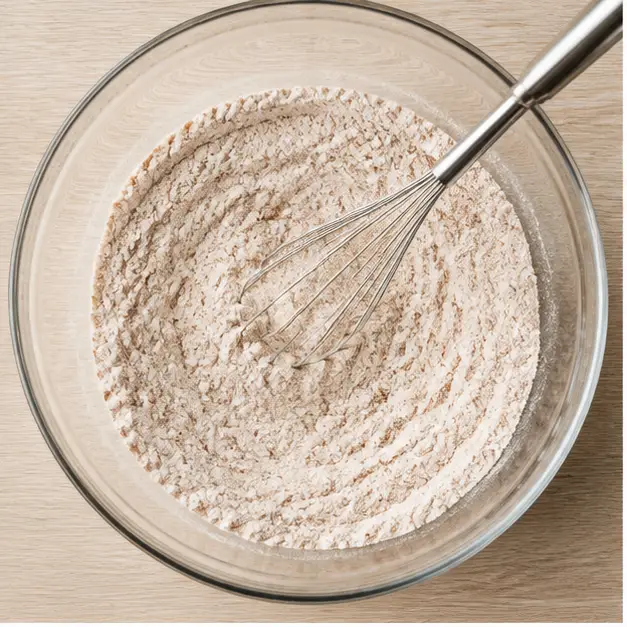
Stage 2: Add the Dry Ingredients and Chill the Dough
Here’s where beginners go wrong. Add the dry mixture to the wet and mix on low speed just until no flour streaks remain. Stop the mixer the second it comes together. Overmixing develops gluten, and gluten means dense, tough cookies. We don’t want that. Now the non-negotiable part: cookie dough chilling. The recipe needs at least 30 to 60 minutes, but 24 to 48 hours is even better. The chill solidifies the butter so the cookies hold their shape in the oven, and it gives the spices time to deepen into something truly special. This step is also your best friend in summer heat. When your kitchen is 85 degrees, the dough softens fast. The chill fixes that. Trust me, I learned this the hard way. Skipped the chill once, got flat pancakes. Never again.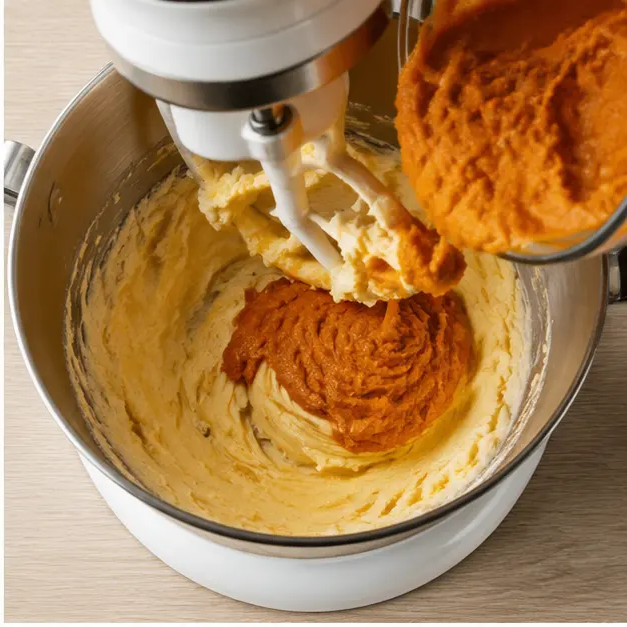
Stage 3: Roll the Dough Balls in Cinnamon Sugar
When you’re ready to bake, preheat the oven to 350°F and line your baking sheets with parchment paper or a silicone mat. In a small bowl, whisk together the granulated sugar and cinnamon for the cinnamon sugar coating. Use a cookie dough scoop or a small spoon to portion the chilled dough into 1-tablespoon balls. Roll each ball in the cinnamon sugar mixture until it’s completely coated. Don’t be shy here. That generous coating is exactly what creates the crackly cookie tops you’re after. When the sugar hits the hot oven, it caramelizes and cracks, giving you those beautiful bakery-style cookies with rippled edges.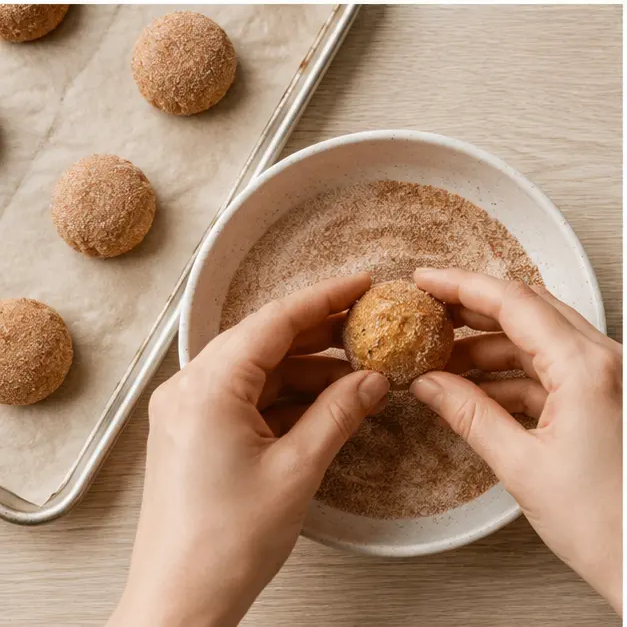
Stage 4: Bake, Tap, and Cool</h3 Snickerdoodles
After more batches of these pumpkin snickerdoodle cookies than I can count, I’ve narrowed it down to five rules I refuse to break. Ignore these and you’ll still end up with a cookie. Follow them and you’ll end up with the cookie people request at every gathering.
- Chill the dough. No exceptions. This is the single biggest difference between bakery-style pumpkin snickerdoodle cookies and sad little pancakes. Chilling solidifies the butter, slowing spread and giving the cookies that thick, cloud-soft center. Thirty minutes is the bare minimum. Overnight is better.
- Blot the pumpkin puree. Pumpkin is roughly 90% water, and that water is exactly what turns cookies cakey. Spread the puree on a paper towel or clean kitchen towel, pat it dry, and let it sit for a few minutes. You want it thick enough to hold a shape, like soft play dough.
- Measure the flour correctly. Spoon flour into your measuring cup and level it off with a knife. Scooping packs the flour and gives you dense, dry cookies. A kitchen scale works even better: 345 grams for this recipe.
- Pull them early. The cookies keep baking on the hot sheet after they leave the oven. If the centers look slightly underdone and puffy, you nailed it. Overbaked pumpkin cookies turn crumbly fast.
- Use a cookie scoop. Same-size dough balls mean even baking. A 1-tablespoon scoop makes perfectly proportioned cookies, and a 1.5-tablespoon scoop gives you those thick, bakery-style rounds.
Follow those five rules and these soft pumpkin snickerdoodles will come out perfect every single time. Now let’s talk about how to make this recipe yours.
Variations and Substitutions
Part of why this pumpkin snickerdoodle recipe is so popular is how easily it adapts. Here are my favorite ways to switch it up.
White Chocolate Pumpkin Snickerdoodles
Fold 1 cup of white chocolate chips into the finished dough before chilling. The sweet, creamy white chocolate plays beautifully against the warm spices. This is the version I make when I want to feel fancy, and it’s honestly dangerous to have around.
Cinnamon Chip Snickerdoodles
If you can find Hershey’s cinnamon chip morsels, swap them in for the white chocolate. They amplify the cinnamon flavor and make the cookies taste like a churro wrapped in a hug. Can’t find them? No worries, the classic version is just as good.
Gluten-Free Option
Several readers have had great success swapping the all-purpose flour for Cup4Cup gluten-free flour, which behaves like a 1:1 substitute. I’ve tested it myself and the texture holds up remarkably well. I can’t vouch for other blends, though gluten-free flours vary wildly in how they absorb liquid.
Homemade Pumpkin Pie Spice
Don’t have ginger, nutmeg, and allspice on hand? Use 2 1/2 teaspoons of store-bought pumpkin pie spice instead, and keep the cinnamon as written. If you’d rather make your own blend, here’s the ratio I use: 4 parts cinnamon, 2 parts ginger, 1 part nutmeg, 1 part allspice, and a tiny pinch of cloves. Mix up a small jar and your pantry will smell incredible all season.
No Mixer? No Problem.
If you don’t own a stand mixer or hand mixer, you can still make these pumpkin snickerdoodle cookies with a whisk and a sturdy wooden spoon. Melt the butter on the stove, let it cool until it’s just warm to the touch, then whisk in the sugars, pumpkin, egg, and vanilla. The texture comes out slightly denser and chewier almost like a chocolate chip cookie. Honestly, some people prefer it that way.
Storage, Freezing, and Reheating
These cookies hit their absolute peak a few hours after baking, but they keep shockingly well. Here’s how to make them last.
At Room Temperature
Store baked cookies in an airtight container or zip-top bag at room temperature for up to 3 days. The brown sugar keeps them soft and chewy. Pro tip: toss a slice of sandwich bread into the container it acts like a humidity pack and keeps the cookies fresh even longer. Replace the bread if it dries out.
Freezing Baked Cookies
Freeze baked and fully cooled cookies in an airtight container with parchment paper between the layers for up to 3 months. Thaw at room temperature for about 30 minutes, or warm them straight from the freezer.
Freezing the Dough
This is my favorite make-ahead trick. Scoop the chilled dough into balls, but do not roll them in cinnamon sugar yet. Freeze the balls on a parchment-lined baking sheet until firm, then transfer them to a freezer bag. When you’re ready to bake, thaw them in the fridge, roll them in the cinnamon sugar, and bake as directed. You can also bake them straight from frozen just add 2 to 3 minutes to the bake time.
How to Reheat
For that just-baked, gooey-center experience, microwave a cookie for 6 to 8 seconds. For a crisper edge, pop it in a toaster oven or air fryer at 300°F for 3 to 4 minutes. However you reheat it, the cinnamon sugar coating turns crackly again, and it becomes dangerously easy to eat three in a row.
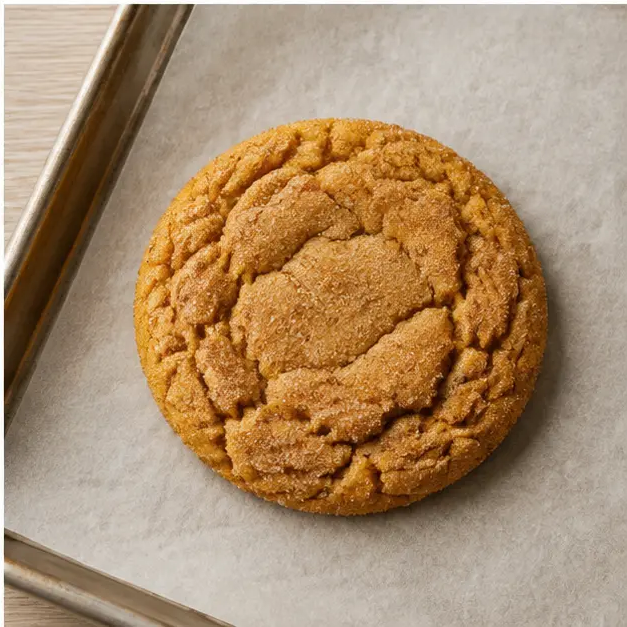
Pumpkin Snickerdoodle Cookies Recipe
Here’s the full recipe, all in one place. This makes about 4 dozen cookies with a 1-tablespoon scoop, or roughly 30 larger ones.
Ingredients
For the Cookie Dough
- 2 3/4 cups all-purpose flour
- 2 teaspoons cream of tartar
- 1 teaspoon baking soda
- 1/2 teaspoon salt
- 1 1/2 teaspoons ground cinnamon
- 1/2 teaspoon ground ginger
- 1/4 teaspoon ground nutmeg
- 1/4 teaspoon ground allspice
- 1 cup unsalted butter, at room temperature
- 1 cup granulated sugar
- 1/2 cup packed light brown sugar
- 1/2 cup pumpkin puree, blotted
- 1 large egg, at room temperature
- 2 teaspoons vanilla extract
For the Cinnamon Sugar Coating
- 1/4 cup granulated sugar
- 1 tablespoon ground cinnamon
Instructions
- Whisk the dry ingredients. In a medium bowl, whisk together the flour, cream of tartar, baking soda, salt, cinnamon, ginger, nutmeg, and allspice. Set aside.
- Cream the butter and sugars. In a stand mixer fitted with the paddle attachment, or in a large bowl with a hand mixer, cream the butter, granulated sugar, and brown sugar on medium speed until light and fluffy, about 2 minutes. Scrape down the sides and bottom of the bowl.
- Add the wet ingredients. Beat in the blotted pumpkin puree until fully incorporated, then add the egg and vanilla and beat until combined. The dough will look glossy and smell like fall.
- Mix in the dry ingredients. With the mixer on low, add the flour mixture in two additions, mixing just until no streaks remain. Do not overmix.
- Chill the dough. Cover the bowl with plastic wrap and refrigerate for at least 30 minutes, ideally 24 to 48 hours.
- Preheat and prep. When ready to bake, preheat the oven to 350°F and line two baking sheets with parchment paper or silicone mats.
- Make the coating. In a small bowl, whisk together the granulated sugar and cinnamon.
- Scoop and roll. Use a cookie scoop to portion the dough into 1-tablespoon balls, then roll each ball generously in the cinnamon sugar mixture.
- Bake. Place the dough balls 2 inches apart and bake for 10 to 12 minutes, until the edges are set and the centers look slightly puffy.
- Tap and cool. Remove the pan from the oven and tap it firmly on the counter a couple of times to create those rippled edges. Cool on the pan for 5 minutes, then transfer to a wire rack to cool completely.
FAQ and Troubleshooting
I’ve rounded up the questions readers ask me most often about these pumpkin snickerdoodle cookies. If something went sideways in your kitchen, your answer is probably in here.
Can I make the dough ahead of time?
Absolutely. The dough keeps in the fridge, tightly covered, for up to 3 days. In fact, a longer chill makes the cookies taste better and spread less. Let the dough sit at room temperature for 10 minutes if it’s too firm to scoop.
Can I freeze the dough?
Yes. Scoop the dough into balls, freeze them on a sheet pan until solid, then transfer to a freezer bag. Thaw in the fridge overnight, roll in cinnamon sugar, and bake. Or bake straight from frozen and add a couple of minutes to the bake time.
Can I make pumpkin snickerdoodles without cream of tartar?
You can, but I wouldn’t recommend it. Cream of tartar gives snickerdoodles their signature tang and tender crumb. Your best substitute is 2 teaspoons of lemon juice or white vinegar mixed into the dough, which will activate the baking soda. The cookies will still taste good, but they won’t have that classic snickerdoodle character.
Do I have to blot the pumpkin puree?
Yes. Yes, yes, yes. Pumpkin is full of water, and that extra moisture is what makes pumpkin cookies turn out cakey and puffy instead of chewy. Blotting takes 2 minutes and makes an enormous difference. Don’t skip it.
Why are my cookies cakey and puffy?
Usually it’s one of three things: you didn’t blot the pumpkin, you overmixed the dough, or your butter was too soft. Fix those and you’ll get dense, chewy cookies with crackly tops.
Why are my cookies flat like pancakes?
Your dough wasn’t chilled enough, or your baking soda is stale. Remember, baking soda loses its strength after a few months. If yours has been in the pantry since last winter, test it by dropping a little into vinegar if it doesn’t bubble vigorously, it’s time for a new box.
Why are my cookies falling apart?
Either you blotted the pumpkin so dry that it lost all its moisture, or the cookies are slightly underbaked. Bake them an extra minute or two and let them cool completely on the baking sheet before moving them.
Can I use homemade pumpkin puree?
You can, but homemade puree tends to be more watery than canned. Blot it very thoroughly, and consider simmering it in a saucepan to reduce some of the liquid before adding it to the dough.
Can I double the recipe?
Yes, and you should if you’re bringing these anywhere. The recipe doubles cleanly. I usually make a double batch and freeze half the dough for later, so future me is always 30 minutes away from fresh cookies.
What happens if I skip the chilling step?
Your pumpkin snickerdoodle cookies will spread into thin, crispy discs. They’ll still taste good, but they won’t have that soft, thick center. If you’re truly in a rush, chill the dough for at least 15 minutes in the freezer.
More Fall Cookie Recipes to Love
If you’re anything like me, one batch of pumpkin snickerdoodle cookies is just the beginning. Here’s what I’m baking when the weather turns cool:
- Soft-Baked Ginger Molasses Cookies crackly tops, spicy centers, and everything snickerdoodles are but with deep molasses flavor.
- Maple Brown Sugar Shortbread a slice-and-bake cookie that tastes like maple syrup and buttery toast.
- Apple Cider Crinkle Cookies soft cookies with a glaze that tastes like autumn in a mug.
Save this pumpkin snickerdoodle recipe for the first cool day of the season. Or, you know, just preheat the oven in August and don’t look back. I certainly won’t.
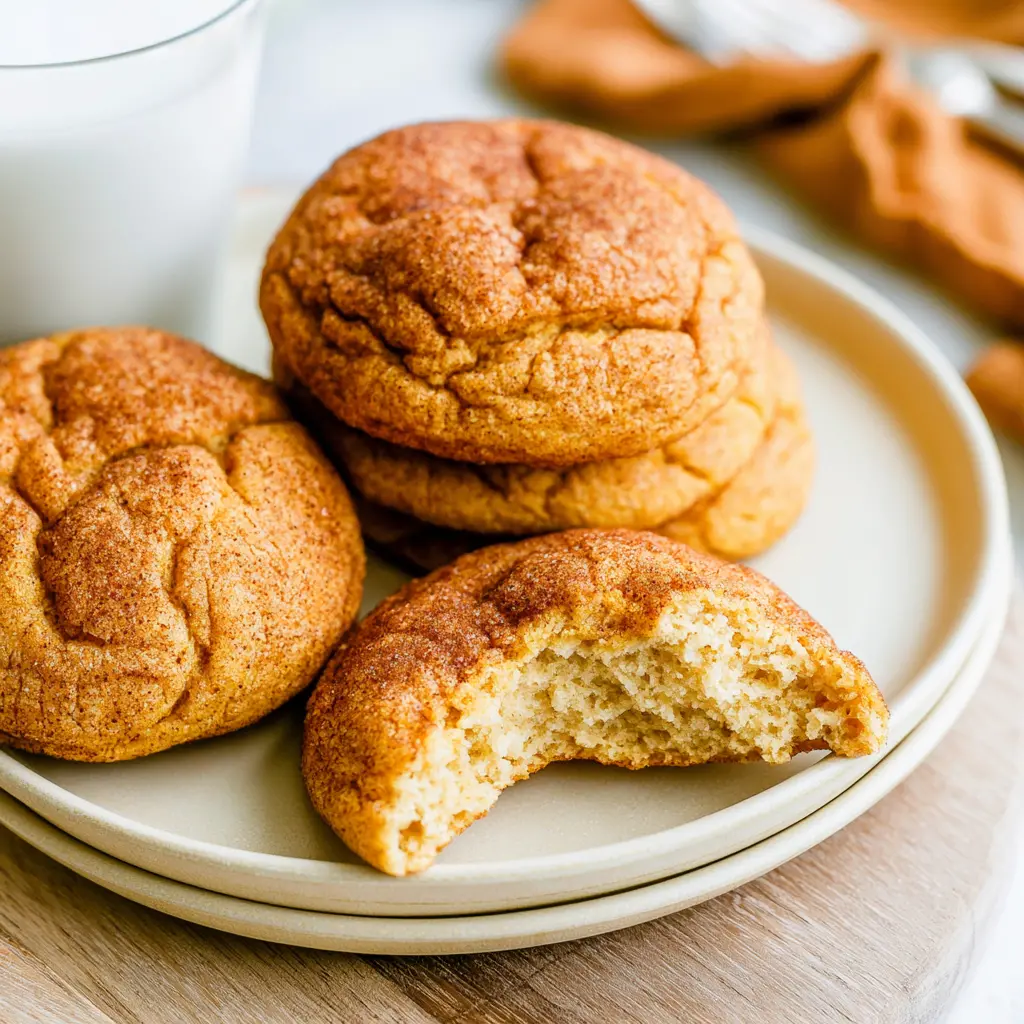
Expert Notes & Data Insights
Okay, put on your baking nerd glasses with me for a minute. I’m not a food scientist, but I play one obsessively in my kitchen. Here’s the data-driven reasoning behind these pumpkin snickerdoodle cookies and why every step actually matters.
Pumpkin’s Water Problem, Solved
Pumpkin puree is roughly 90% water by weight. A half-cup contains about 3.5 ounces of water that’s a stick of butter’s worth of hydration hiding in your dough. When that water evaporates in the oven, it produces steam that puffs the cookies and turns them cakey. Blotting the puree physically removes some of that water, which is why it’s the single most effective fix for getting dense, chewy cookies instead of fluffy muffins disguised as cookies.
The Cream of Tartar Chemistry
Cream of tartar is an acid specifically potassium bitartrate. It reacts with alkaline baking soda to release carbon dioxide gas, giving the cookies lift. But it also does a second job: it interferes with sugar crystallization, which keeps the crumb tender. That weird ingredient you only buy for snickerdoodles is pulling double duty in every batch.
The Chilling Data
In my own kitchen, unchilled dough spreads about twice as much as dough chilled for 30 minutes, and dough chilled overnight spreads even less. There’s a physical reason: cold butter is solid, and solid butter doesn’t flow until it melts in the oven. A longer chill also gives the flour time to fully hydrate and the spices time to bloom. Bake two trays side by side one chilled 30 minutes, one chilled overnight and the overnight batch wins on both texture and flavor every time.
Doneness Numbers That Work
If you want a precise target, pull the cookies when the edges are set but the centers register about 190°F to 195°F on an instant-read thermometer. They’ll finish baking on the hot sheet, and the centers will settle into that soft, chewy texture. Push past 200°F and you’re in crumbly territory.
Why Brown Sugar Keeps Them Soft for Days
Brown sugar contains molasses, which is hygroscopic it attracts and holds onto moisture. That’s why these cookies stay soft in an airtight container for 3 days while a plain sugar cookie goes stale in one. The slice-of-bread trick works on the same principle: the bread’s moisture slowly transfers to the cookies, keeping them fresh longer.
There you have it. Everything I know about making pumpkin snickerdoodle cookies from the water content of pumpkin to the precise moment to pull the pan from the oven. So go preheat your oven, even if it’s August. I’ll be right there with you, cinnamon cloud and all.
What is the best recipe for soft pumpkin snickerdoodle cookies?
For the best soft pumpkin snickerdoodle cookies, start by blotting your pumpkin puree with paper towels until it feels like soft play dough—this removes excess moisture and prevents cakey cookies. Then whisk together all-purpose flour, cream of tartar, baking soda, baking powder, salt, pumpkin pie spice, and cinnamon. In a separate bowl, mix melted (or brown) butter with granulated and dark brown sugars, then beat in the pumpkin puree and one egg yolk. Gradually add the dry ingredients until just combined, and chill the dough for about 30 minutes to keep the cookies from spreading too much. Scoop the dough, roll it in cinnamon sugar, and bake at 350°F for 10–12 minutes until the edges are set and the centers look slightly soft. Let them cool on the pan for a few minutes before transferring to a wire rack.
What ingredients do I need for pumpkin snickerdoodle cookies?
You’ll need all-purpose flour, cream of tartar, baking soda, baking powder, salt, pumpkin pie spice, ground cinnamon, unsalted butter, granulated sugar, dark brown sugar, pumpkin puree (preferably Libby’s), and one egg yolk. For the cinnamon-sugar coating, mix extra granulated sugar with ground cinnamon. Optional add-ins include white chocolate chips or cinnamon chips for extra flavor. Cream of tartar is essential—it gives snickerdoodles their signature tangy taste and chewy texture, so try not to skip it.
How should I store pumpkin snickerdoodles to keep them fresh?
Store baked pumpkin snickerdoodles in an airtight container or resealable bag at room temperature for 2–3 days. To help them stay extra soft, add a slice of bread to the container—it releases moisture and keeps the cookies tender. For longer storage, freeze the unbaked dough instead: scoop the dough into balls, freeze on a baking sheet, then transfer to a freezer bag. When you’re ready to bake, thaw the dough in the refrigerator, roll it in cinnamon sugar, and bake as directed.
What is the shelf life of pumpkin snickerdoodles?
Pumpkin snickerdoodles are best eaten within 2–3 days when stored in an airtight container at room temperature. Because pumpkin adds moisture, they can become overly soft or even mushy after that. For longer storage, you can freeze the unbaked dough for up to 3 months—just thaw in the fridge, roll in cinnamon sugar, and bake. Baked cookies can also be frozen for up to 3 months, though the texture may change slightly after thawing.
How do you bake pumpkin snickerdoodles step by step?
Begin by preheating your oven to 350°F and lining baking sheets with parchment. Blot the pumpkin puree with paper towels to remove excess water. Whisk together your dry ingredients: flour, cream of tartar, baking soda, baking powder, salt, and pumpkin pie spice. In another bowl, whisk melted butter with both sugars, then add the pumpkin puree and egg yolk. Stir the dry mixture into the wet until just combined. Chill the dough for 30 minutes. Scoop 1.5-tablespoon portions, roll them in cinnamon sugar, and place them 2 inches apart on the prepared sheets. Bake for 10–12 minutes, or until the edges are set and the centers look slightly puffy. Let the cookies rest on the pan for 5 minutes, then move them to a wire rack to finish cooling.
What are the exact ingredients in pumpkin snickerdoodles?
The exact ingredient list for pumpkin snickerdoodle cookies is: 2 cups all-purpose flour, 2 teaspoons cream of tartar, 1 teaspoon baking soda, 1/2 teaspoon baking powder, 1/2 teaspoon salt, 1 teaspoon pumpkin pie spice, 1 teaspoon ground cinnamon, 3/4 cup unsalted butter (melted or browned), 1/2 cup granulated sugar, 1/2 cup dark brown sugar, 1/2 cup pumpkin puree (blotted dry), and 1 large egg yolk. For rolling, combine 1/4 cup granulated sugar with 1–2 teaspoons ground cinnamon. White chocolate chips (about 1 cup) are an optional, delicious addition.
What is the best way to store soft pumpkin snickerdoodle cookies?
To keep soft pumpkin snickerdoodles fresh, place them in an airtight container or Ziploc bag at room temperature for up to 3 days. For even softer cookies, toss a slice of sandwich bread into the container—it absorbs excess moisture and releases it slowly. If you’d like chewier cookies, leave them uncovered on a cooling rack overnight before storing. To freeze, wrap baked cookies individually and place them in a freezer-safe bag, or freeze the unbaked dough balls and bake them straight from the freezer, adding a couple of minutes to the bake time.
One Response
I made these for a family gathering and they disappeared in minutes! The texture was so soft and the cinnamon sugar coating gave them that perfect crackle. Definitely adding this to my fall baking rotation.