
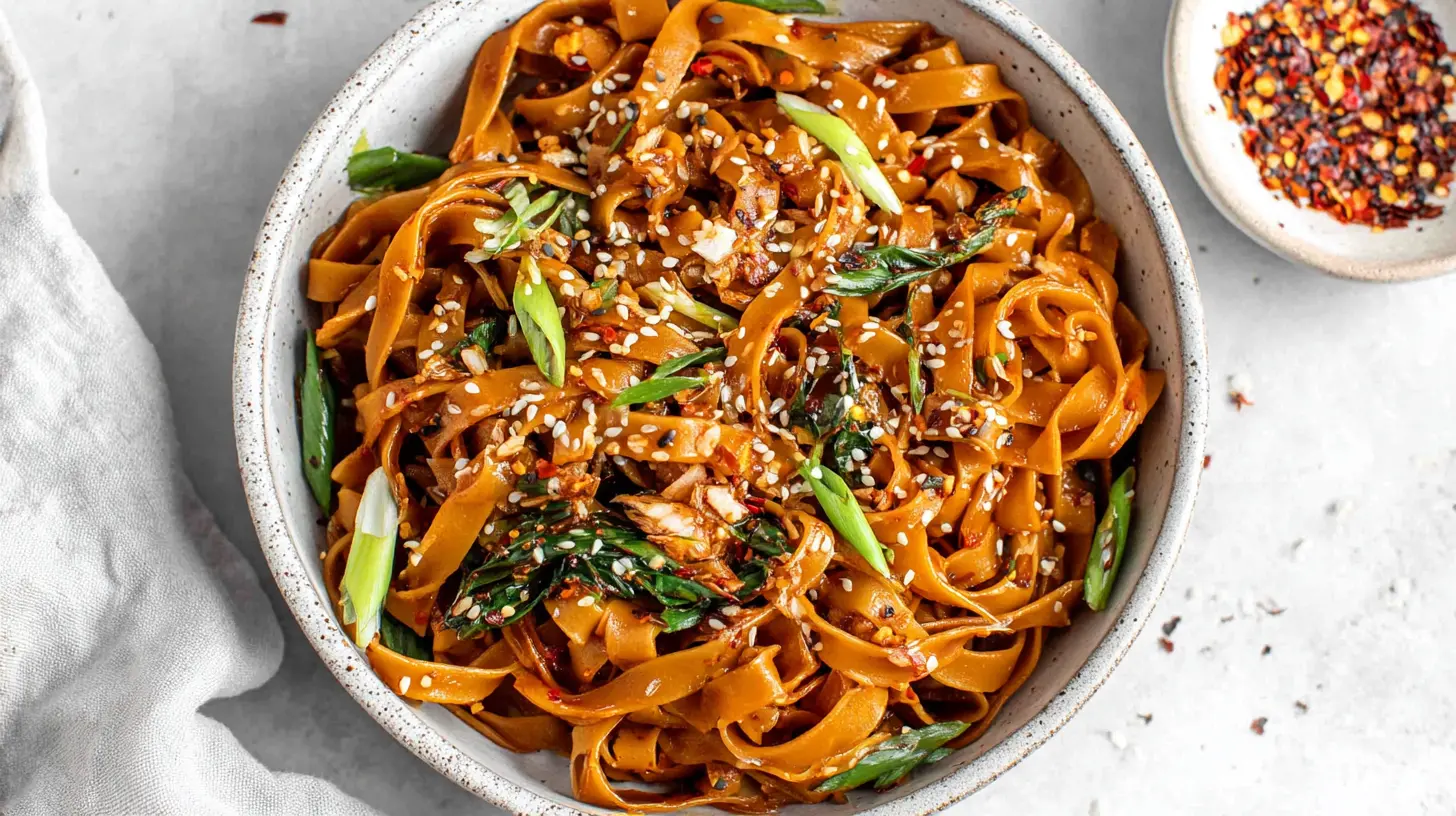
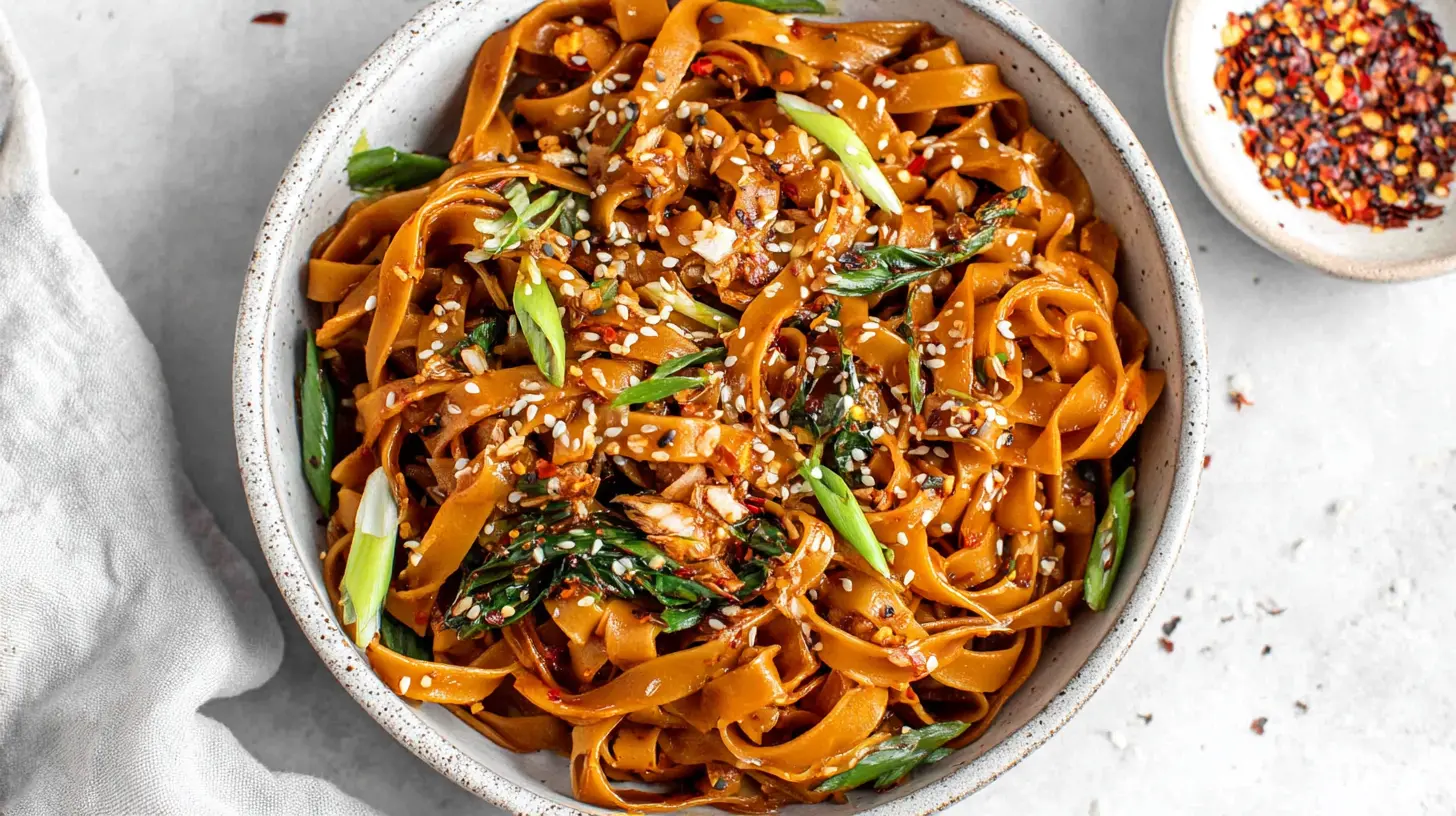
Quick Chili Garlic Noodle Stir Fry. Big Flavor.
Ingredients
Method
- Heat a small frying pan over low heat. Add cooking oil, the white part of scallions, and minced garlic. Sauté for about 5 minutes, stirring constantly until fragrant and softened.
- Pour in vegetable broth, light and dark soy sauces, black vinegar, and Korean chili flakes. Simmer for 5 minutes until slightly thickened and aromatic.
- Cook the dried noodles in a separate pot according to package instructions. Drain thoroughly once cooked.
- Add the drained noodles to the garlic chili sauce, stirring gently until well-coated. Serve hot, garnishing with green scallions, toasted sesame seeds, and extra chili flakes.
Nutrition
Notes
Tried this recipe?
Let us know how it was!You Know That Craving, Right?
It hits you around 5:30 PM. You’re tired, maybe a little hangry, and you’re staring into the fridge hoping for inspiration to magically appear. You want something with serious flavor, something spicy and savory that feels like a treat, but you don’t want to spend an hour making it or washing a mountain of dishes. I’ve been there so many times, honestly. That exact feeling is why I’m obsessed with this chili garlic noodle skillet. It’s my go-to answer for that weeknight dinner panic. You get this huge, restaurant-quality bowl of flavor in about the time it takes to decide on takeout. And the best part? It all happens in one pan. One pan! That’s the dream, you know.
Why This Is My Go-To Weeknight Hero
Let’s talk about why this recipe just works. First, it’s built around that incredible best chili garlic sauce for noodles. That sauce is the flavor engine. It’s spicy, it’s garlicky, it’s got this deep umami thing happening that makes every bite interesting. Second, it’s a template, not a strict rulebook. Got some bell peppers and an onion? Great. Have some broccoli and carrots? Perfect. The recipe welcomes whatever you’ve got. Third, and I can’t stress this enough, it’s a one-pan situation. From cooking the veggies to tossing the noodles in that glossy sauce, everything happens in your trusty skillet. The cleanup is almost as satisfying as the meal itself. I mean, who wants to do dishes after a long day?
The Heart of the Matter: Your Chili Garlic Sauce
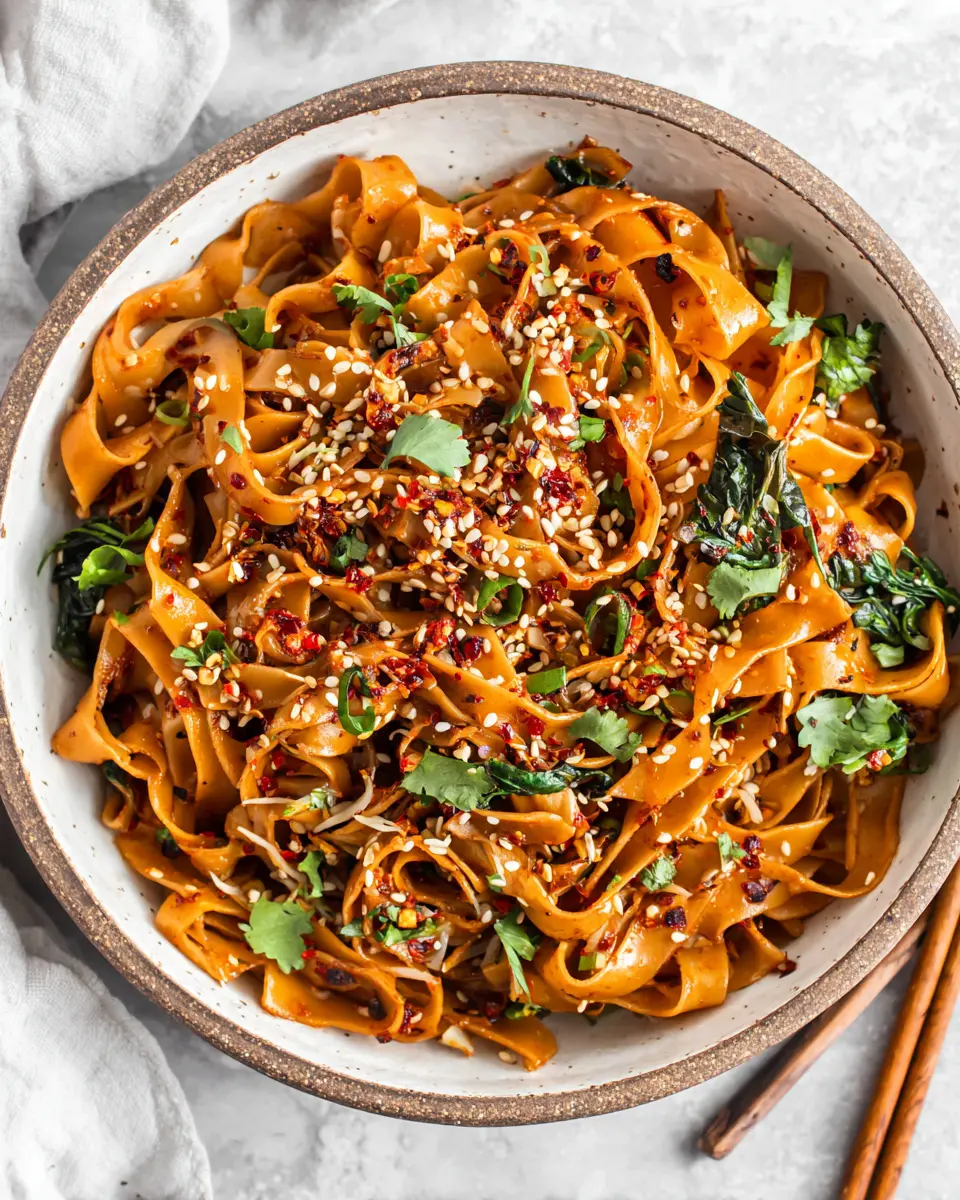
Okay, let’s get into the sauce because that’s where the magic happens. When we talk about the best chili garlic sauce for noodles, we’re really talking about balance. You want heat, sure, but you also want garlic punch, a touch of sweetness, and that savory depth from soy sauce. You can absolutely use a good store-bought sauce like Huy Fong if you’re in a pinch. I’ve done it. But making your own? It’s a game-changer because you control the heat. You know your tolerance better than any factory does.
The base is usually chili paste or flakes, a ton of fresh garlic, some ginger, soy sauce, a bit of sugar, and rice vinegar for brightness. Sesame oil at the end ties it all together with that nutty aroma. The key is to taste as you go. Start with less chili, then add more until it feels right for you. It should make your nose tingle a little when you smell it. That’s how you know you’re on the right track. For a deeper dive into crafting the perfect sauce, explore our complete spicy garlic noodle stir fry sauce guide.
My No-Stress Stir Fry Strategy
I think a lot of people get nervous about stir-frying. They worry about burning things or ending up with soggy veggies. Here’s my simple strategy that never fails. It’s all about prep and order.
First, get everything ready before you even turn on the stove. Chop all your veggies, mix your sauce in a little bowl, mince your garlic and ginger. This is called *mise en place*, and it just means “everything in its place.” It sounds fancy, but it’s just smart cooking. It keeps you from burning your garlic because you’re not scrambling to find the soy sauce.
Then, cook in batches. Start by getting your skillet really hot. You want to hear a sizzle when the veggies hit the oil. Cook your harder veggies first, like carrots or broccoli, for a minute or two. Then push them to the side and add your quicker-cooking stuff, like bell peppers or snap peas. This way, everything gets perfectly tender, not mushy. Finally, you’ll add your sauce and cooked noodles, and toss everything together until it’s gloriously coated and maybe even a little charred on the edges. That char is flavor gold.
Your Visual Troubleshooting Guide
Things don’t always go perfectly, and that’s okay. Here’s what to look for and how to fix it.
Common Stir-Fry Fixes
Issue: The sauce is too thin and soupy.
Fix: Let it simmer for another minute or two. The heat will help it reduce and thicken up to coat the noodles. If you’re in a real hurry, a tiny slurry of cornstarch and water can help.
Issue: The noodles are sticking together in a clump.
Fix: Did you salt your pasta water? That’s key. Also, make sure to toss the noodles with a little oil right after draining if you’re not adding them to the skillet immediately. And when you add them to the pan, use tongs and really toss them with the sauce and veggies to separate.
Issue: The whole dish tastes a bit bland.
Fix: You probably need more salt or umami. Add another splash of soy sauce or a tiny pinch of salt. Sometimes a squeeze of fresh lime juice at the end can wake all the flavors right up.
Make It Your Own: Endless Variations
This recipe is like your favorite pair of jeans. It’s a perfect base that you can dress up however you want. Here are some of my favorite ways to switch it up.
For protein, try adding some diced chicken thigh or shrimp when you start cooking your veggies. Just make sure it’s cooked through before you move on. For a vegetarian boost, crispy tofu or even a can of rinsed chickpeas added at the end is so good. If you’re using chicken, our spicy garlic noodle stir fry with chicken recipe has perfect timing tips.
Vegetables? Go wild. In the spring, I love adding asparagus tips and sugar snap peas. Bok choy, sliced mushrooms, or even some shredded cabbage are all amazing. The trick is to add them in order of how long they take to cook. Hard veggies first, soft greens last.
And the spice level? That’s the beauty of the best chili garlic sauce for noodles. You’re in charge. Start with half the chili paste if you’re sensitive. You can always add more. If you accidentally make it too spicy, a little extra sugar or a splash of rice vinegar can help balance the heat.
Keeping It for Later: Storage & Reheating
Leftovers are honestly almost as good the next day. Let the noodles cool completely, then pop them in an airtight container. They’ll keep in the fridge for 3 to 4 days, no problem.
Reheating is crucial for texture. Don’t just microwave them or you’ll get a sad, steamy pile. My favorite method is to reheat them in a skillet over medium heat with a tiny splash of water or broth. The water creates steam that heats the noodles through without drying them out, and the skillet helps revive a little of that nice texture. Give them a good toss until they’re hot all the way through. It takes maybe 5 minutes and makes a world of difference.
Frequently Asked Questions
Your New Weeknight Superpower
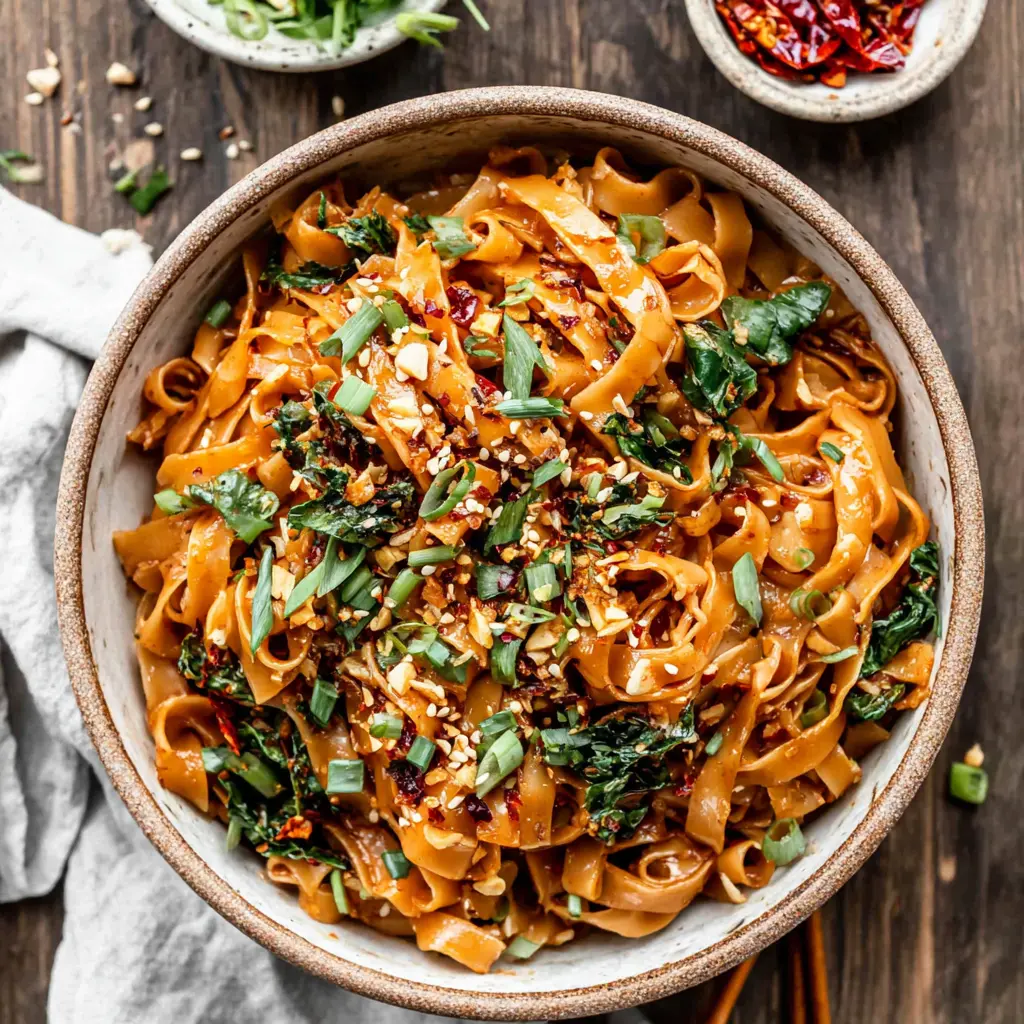
So there you have it. The next time that 5:30 PM hunger hits, you’ve got a secret weapon. This isn’t just another recipe. It’s your ticket to a ridiculously flavorful, satisfying dinner that comes together faster than you’d believe. When you make this best chili garlic sauce for noodles, you’ll be amazed at how something so simple can taste so complex and exciting. Honestly, it’s the kind of meal that makes you feel like a kitchen hero without any of the stress.
Give it a try this week. Grab those noodles and veggies on your next Trader Joe’s run and see for yourself. I’d love to hear how it turns out for you. Let me know what variations you create. Now go on, you’ve got this.
Source: Nutritional Information
What’s the best chili garlic sauce for noodles if I don’t want to make my own?
Honestly, Huy Fong Chili Garlic Sauce is a great, reliable store-bought option you can find at most grocery stores. Just check the ingredient list. Some brands are mostly chili and garlic, which is perfect for this recipe. You’ll need about 1/3 to 1/2 a cup.
Are chili garlic noodles really spicy?
They can be, but you control the heat! That’s the beauty of making the best chili garlic sauce for noodles yourself. Start with less chili paste or flakes, taste the sauce, and add more until it’s just right for you. It’s a perfect balance of spicy, savory, and a little sweet.
Can I use any type of noodle?
Absolutely. This is so versatile. I love ramen noodles or udon for their chew, but linguine, spaghetti, or even rice noodles work in a pinch. Just cook them according to the package directions until they’re al dente before adding them to the skillet.
How do I store leftover chili garlic noodles?
Let them cool completely, then store them in an airtight container in the fridge. They’ll stay good for 3 to 4 days. For the best texture, reheat them in a skillet with a splash of water instead of the microwave.
What protein goes best with this dish?
It’s incredibly flexible. Diced chicken, shrimp, or firm tofu are all fantastic. For chicken or shrimp, cook it in the skillet first before adding your veggies. For tofu, I like to pan-fry it until crispy separately and add it at the end.
Is chili garlic sauce the same as chili garlic paste?
They’re very similar and often used interchangeably. Paste can sometimes be a bit thicker and more concentrated. For this recipe, either works. If using a thick paste, you might just thin your sauce with an extra tablespoon of water or broth.
Can I make this dish ahead for meal prep?
You can! Prep your veggies and mix your sauce a day or two ahead. Store them separately in the fridge. When you’re ready to eat, the actual cooking in the skillet will only take about 15 minutes since everything is pre-chopped.
Are chili garlic noodles good for you?
They can be a balanced meal! You’re loading it with vegetables, using a moderate amount of oil, and controlling the sodium. Using whole wheat noodles or adding a lean protein boosts the nutrition. It’s a far healthier, more wholesome option than most takeout.