
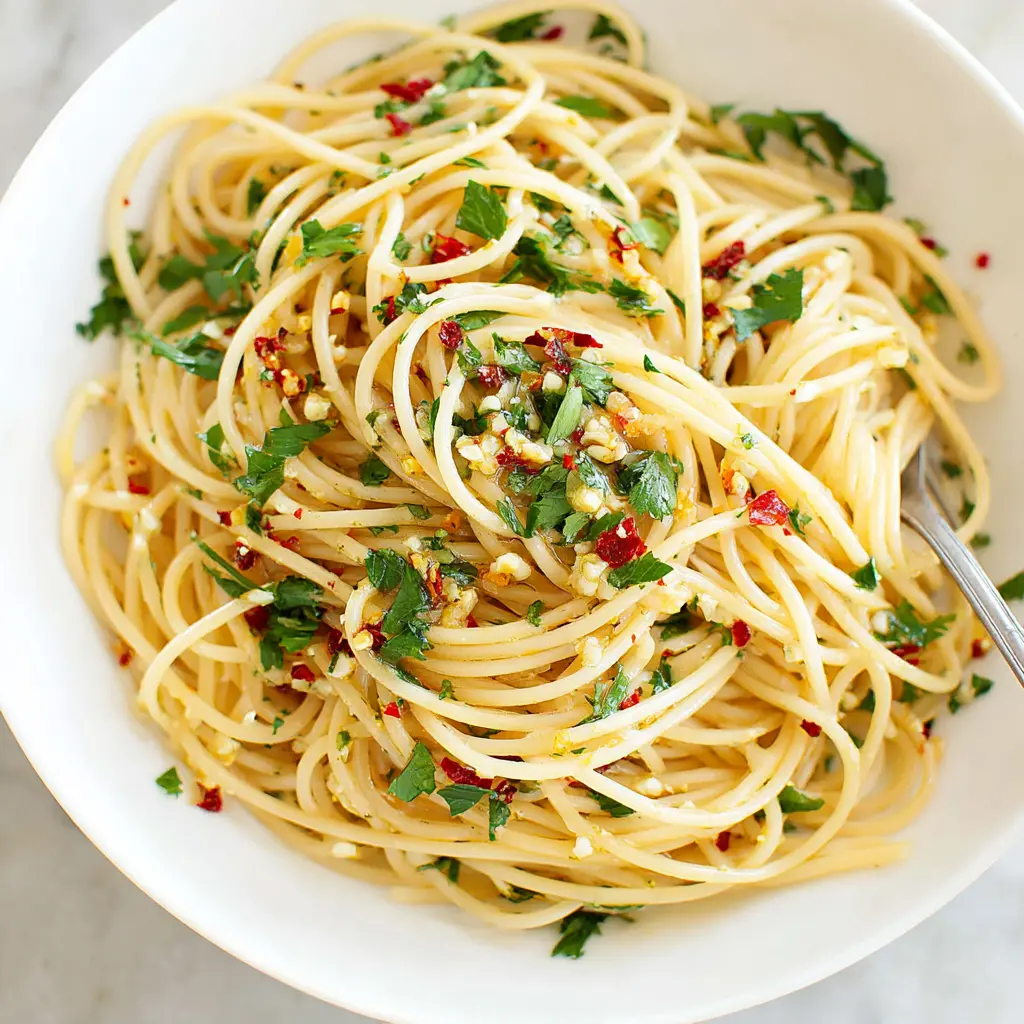
Why This California Pasta Aglio e Olio Works
Honestly, my first attempt at pasta aglio e olio was a garlic disaster. Burnt, bitter, and sad. I thought I’d broken Italian cooking. But here’s the thing this dish is deceptively simple. It’s just garlic, olive oil, chili, and pasta. Getting it right takes a little finesse, but once you nail it, you’ll never look back.
This version has a California twist. I’m using a high-quality extra virgin olive oil from Napa Valley. It’s fruity, peppery, and makes all the difference. The goal is a silky, emulsified sauce that clings to every strand of spaghetti. No cream, no butter, just technique.
It’s the perfect quick weeknight pasta. Ready in 20 minutes, made with pantry staples, and it feels like a restaurant meal. Plus, it won’t heat up your kitchen in the summer. What’s not to love?
Ingredients You’ll Need
For this authentic Italian pasta, you only need a handful of ingredients. But quality matters. Here’s what to grab:
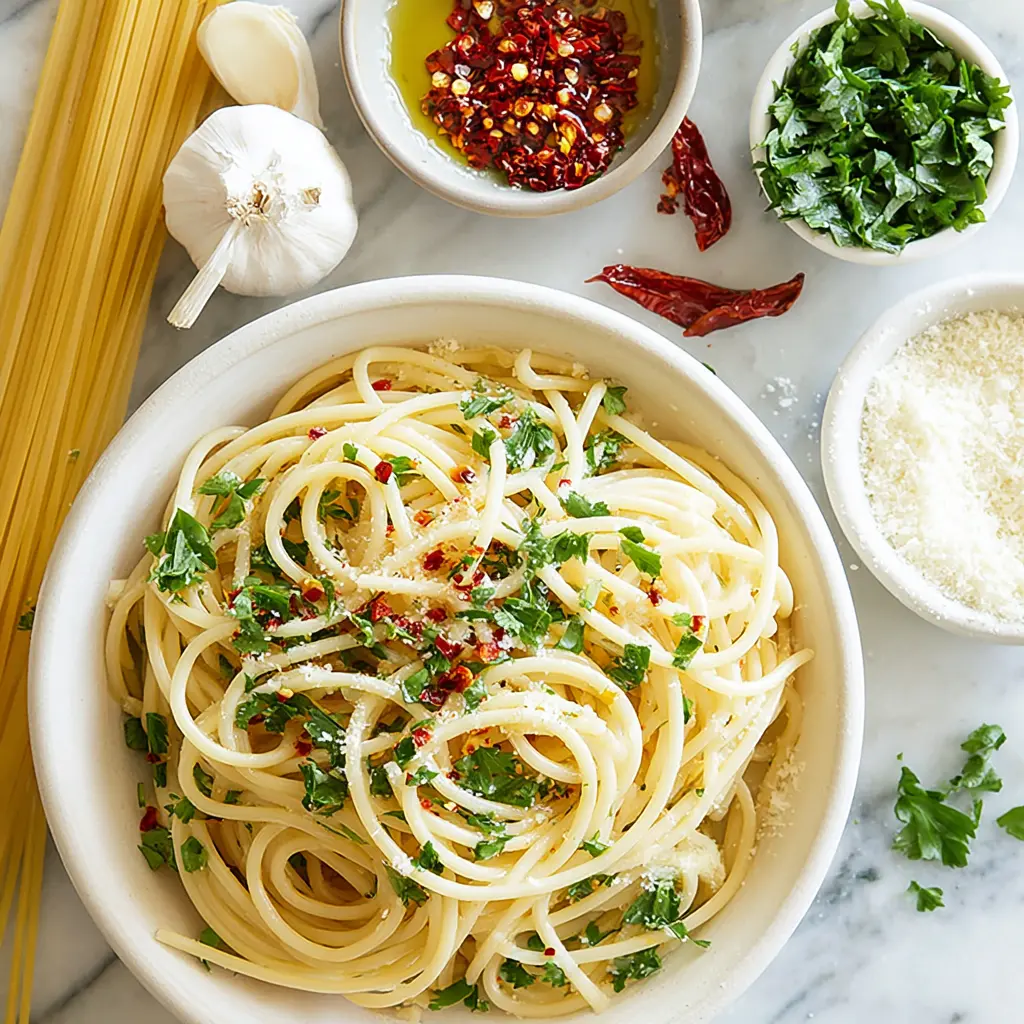
- Spaghetti or other long pasta: 1 pound. I like a good bronze-die pasta for texture.
- Extra virgin olive oil: 1/2 cup. Splurge on a good one. It’s the star here.
- Garlic: 4-5 cloves, finely sliced. Not minced slices toast more evenly.
- Dried chili flakes: 1 teaspoon. Adjust to your heat tolerance.
- Fresh parsley: 1/4 cup, coarsely chopped. Adds freshness and color.
- Grated Parmesan cheese: 1/4 cup, plus more for serving. Omit for a vegan version.
- Salt: To taste. Don’t forget to salt your pasta water!
That’s it. No cream, no butter, no fancy extras. Just pure garlic and oil pasta at its finest.
Step-by-Step Instructions
Let’s walk through the process. I’ll break it into four stages so you can follow along easily. Each stage has a key tip to keep you on track.
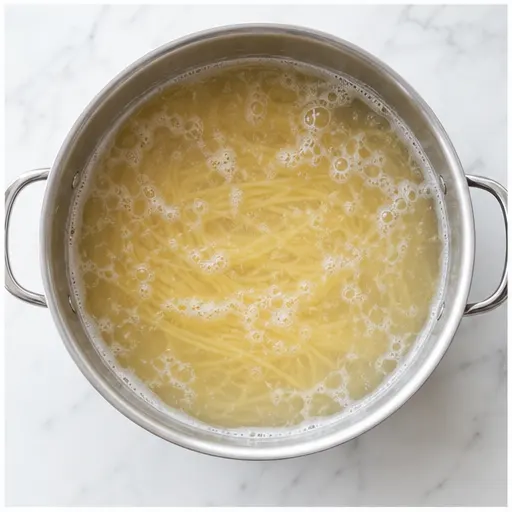
Stage 1: Cook the Pasta
Bring a large pot of salted water to a rolling boil. Add the spaghetti and cook until al dente, about 8-10 minutes. You want it tender but still firm to the bite. While the pasta cooks, get your sauce ingredients ready.
Key tip: Reserve about 1/2 cup of the starchy pasta water before draining. This is liquid gold for your sauce.
Stage 2: Prep the Garlic and Chili
Peel and finely slice the garlic cloves. If you’re using fresh chilies instead of dried flakes, remove the seeds and finely chop them. But dried chili flakes work perfectly here they’re what I keep in my pantry.
Key tip: Slicing the garlic thinly ensures it cooks evenly without burning. Thicker pieces might stay raw in the center.
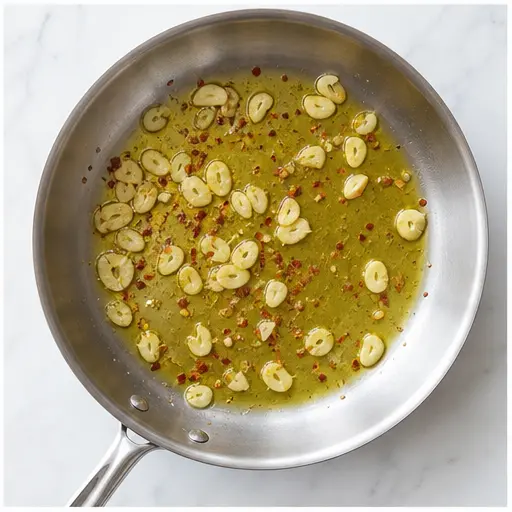
Stage 3: Toast the Garlic and Build the Sauce
In a large frying pan, gently heat the olive oil over medium-low heat. Add the sliced garlic and chili flakes. Cook slowly for 2-3 minutes until the garlic turns pale gold and fragrant. This is where the magic happens. Be careful not to let it brown burnt garlic is bitter garlic.
Key tip: I always start the garlic in a cold pan with the oil. It gives you more control. As the oil warms, the garlic infuses gently. Game changer.
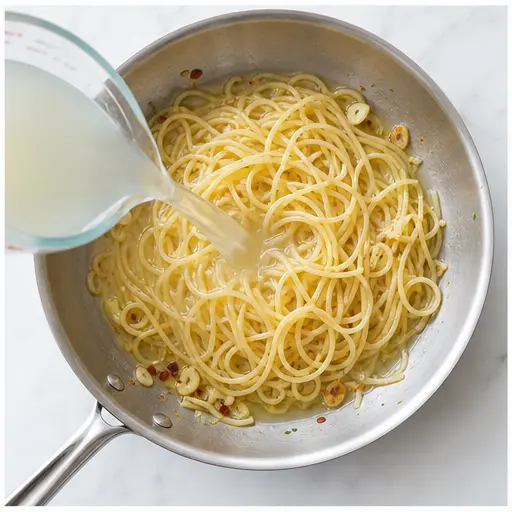
Stir in the chopped parsley. Then add the drained spaghetti to the pan. Toss well to coat. Add the reserved pasta water a little at a time, stirring, until the pasta is moist and juicy. Cook over medium heat for about 30 seconds, stirring once or twice. The starch from the water emulsifies with the oil, creating a silky sauce.
Stage 4: Serve Immediately
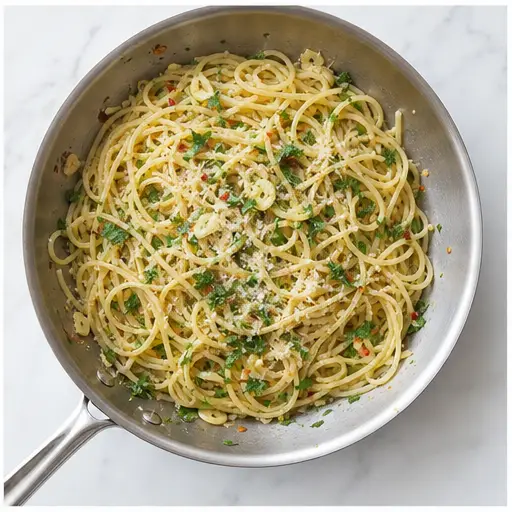
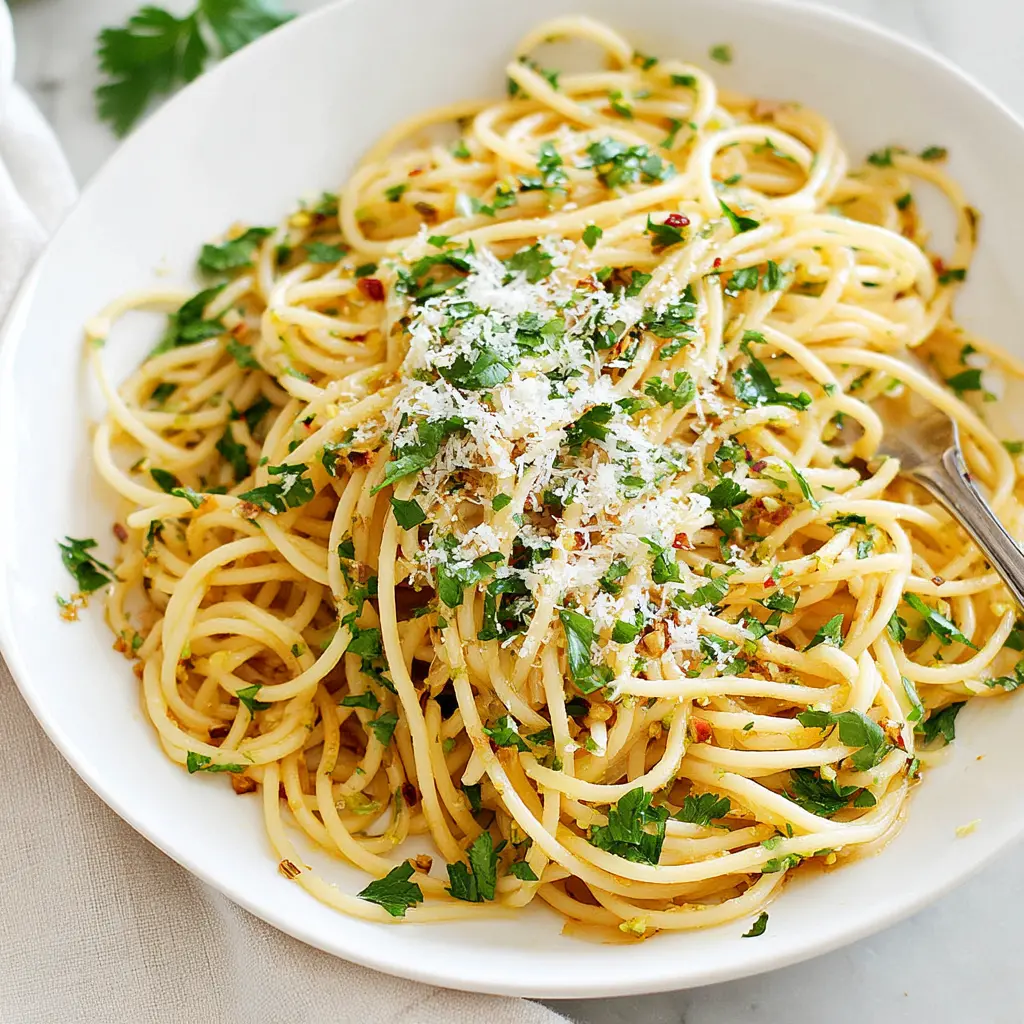
Serve the pasta aglio e olio immediately. Sprinkle with extra chopped parsley and grated Parmesan cheese if desired. For a vegan version, just skip the cheese. The dish is still incredible.
Key tip: This pasta waits for no one. Serve it right away for the best texture. If it sits, the sauce can thicken or separate.
Tips for Perfect Garlic and Olive Oil Pasta
Here are my best tips to avoid common mistakes and make this dish shine:
- Don’t burn the garlic. This is the number one mistake. Cook it slowly over medium-low heat until pale gold. If it turns brown, start over. It’s only oil and cloves.
- Use good olive oil. Since this is a no-sauce pasta, the oil is the star. A fruity, peppery extra virgin olive oil makes a huge difference.
- Reserve that pasta water. The starchy water is essential for emulsifying the sauce. Add it gradually until the pasta is moist but not watery.
- Don’t skip the salt. Season your pasta water generously. It should taste like the sea. This is your only chance to season the pasta from within.
- Serve immediately. This dish is best fresh. If you must store it, keep the pasta and sauce separate and combine only when reheating.
If you do burn the garlic, here’s a little encouragement: just start over. It’s a cheap mistake. And you’ll learn from it. I promise, the next batch will be perfect.
Variations to Try
This aglio e olio recipe is a fantastic base. Here are a few ways to switch it up:
- Vegan: Simply omit the Parmesan cheese. The dish is naturally vegan-friendly and still packed with flavor.
- Gluten-free: Use gluten-free spaghetti. Cook it according to package directions and reserve plenty of pasta water.
- Add vegetables: Toss in some blanched broccoli, sautéed spinach, or roasted cherry tomatoes for extra color and nutrients.
- Add protein: Top with grilled chicken, shrimp, or a fried egg for a heartier meal.
- Extra garlicky: Use 6-7 cloves of garlic if you’re a garlic lover. Just keep the heat low to avoid burning.
- Milder heat: Reduce the chili flakes to 1/2 teaspoon or remove the seeds from fresh chilies.
These are all optional additions. The base recipe is perfect as is. But it’s fun to experiment once you’ve mastered the technique.
Storage and Reheating
Pasta aglio e olio is best enjoyed fresh. But if you have leftovers, here’s how to handle them:
- Storage: Store the pasta and sauce separately if possible. Place them in airtight containers in the fridge for up to 2 days.
- Reheating: To reheat, add the pasta to a pan with a splash of water or broth. Warm over medium heat, stirring gently, until heated through. The water helps revive the sauce.
- Don’t microwave: Microwaving can make the pasta mushy and the sauce oily. Stick to stovetop reheating for best results.
If you stored the pasta and sauce together, you might need a little extra pasta water or olive oil to bring it back to life. Don’t stress it’s forgiving.
Frequently Asked Questions
I hope this guide helps you make the best pasta aglio e olio at home. It’s one of those dishes that looks impressive but is secretly simple. Once you master the technique, you’ll make it again and again. For more inspiration, check out my Pinterest board for quick weeknight dinner ideas.
Source: Nutritional Information
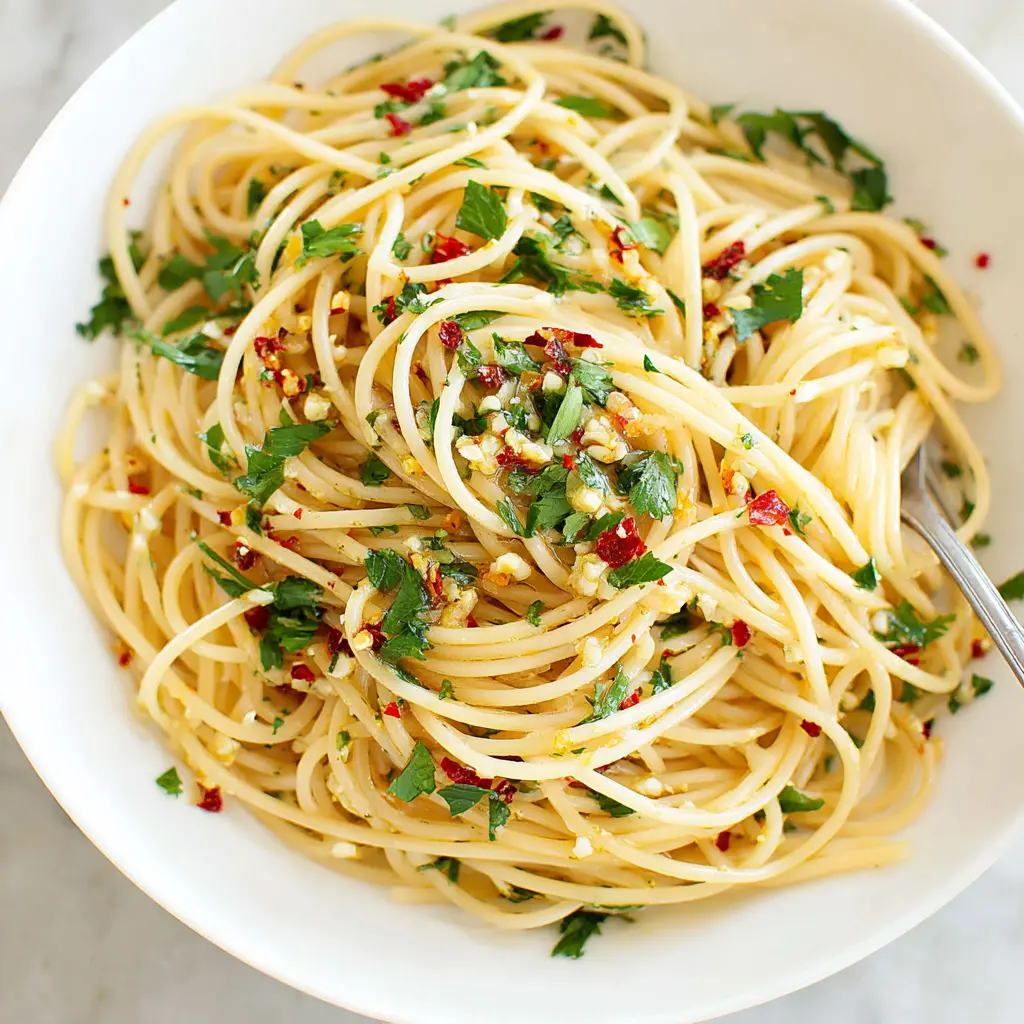
California Pasta Aglio e Olio with Garlic and Olive Oil
Ingredients
Method
- Bring a large pot of salted water to a rolling boil. Add the spaghetti and cook until al dente, about 8-10 minutes, or until tender but still firm to the bite.
- While the pasta cooks, prepare the sauce. If using fresh chilies instead of dried flakes, remove the seeds and finely chop them. Peel and finely slice the garlic cloves.
- In a large frying pan, gently heat the olive oil over medium-low heat. Add the sliced garlic and chili flakes, cooking slowly for 2-3 minutes until the garlic turns pale gold and fragrant. Be careful not to let it brown or it will become bitter. Stir in the chopped parsley.
- Drain the pasta, reserving about 1/2 cup of the starchy cooking water.
- Add the drained spaghetti to the frying pan with the garlic oil. Toss well to coat, then add reserved pasta water a little at a time, stirring, until the pasta is moist and juicy. Cook over medium heat for about 30 seconds, stirring once or twice.
- Serve immediately, sprinkled with extra chopped parsley and grated Parmesan cheese if desired. For a vegan version, omit the cheese.
Nutrition
Notes
Tried this recipe?
Let us know how it was!I don’t have fresh chili pepper at home, but I have it in powder. When should I add it?
Add the chili powder at the same time you add the dried chili flakes when you toast the garlic in the oil. Start with 1/2 teaspoon and adjust to taste. Powder can be more concentrated, so go easy. You can always add more at the end.
How to get a smooth garlic cream for pasta?
For a smooth garlic cream, blend the cooked garlic and oil with a little pasta water using an immersion blender or food processor. If it remains grainy, add a splash more pasta water and blend again. This creates a creamy, emulsified sauce without any dairy.
How much chili pepper to use for a balanced spicy cream?
Start with 1 teaspoon of dried chili flakes for a balanced heat that doesn’t overpower the garlic. If you want more kick, add another 1/2 teaspoon at the end. For less heat, use 1/2 teaspoon. You can always adjust, but you can’t remove it once it’s in.
4 Responses
This was good, but I had trouble getting the sauce to emulsify. It ended up a bit oily. Any tips for getting that silky texture you mentioned? I used a high-quality olive oil, so I don’t think that was the issue.
Hi Mike, I’m sorry about that! The key is to reserve about a cup of pasta water before draining, and then add it a little at a time while tossing the pasta vigorously in the pan with the oil and garlic. The starch in the water helps create the emulsion. Also, make sure the oil isn’t too hot when you add the pasta—just warm enough to coat. Hope that helps!
I made this last night and it was incredible! I used a really good California olive oil like you suggested, and the flavor was amazing. I added a bit more chili flakes because we like it spicy. The whole family loved it, and it was so quick to throw together on a busy weeknight. Thank you for the tips about slicing the garlic instead of mincing—it made a big difference!
I love how simple this recipe is! I’m vegetarian, and it’s perfect for me. I skipped the Parmesan to keep it vegan, and it was still so flavorful. I used whole wheat spaghetti, and it worked great. Definitely adding this to my regular rotation!