
California Creamy Sesame Ginger Dressing
Ingredients
Method
- Add the minced ginger, minced red onion, rice vinegar, mayonnaise, tahini, toasted sesame oil, and low-sodium soy sauce to a blender. Blend on high until completely smooth, about 30 seconds.
- Stop the blender and scrape down the sides with a spatula to ensure all ingredients are fully incorporated.
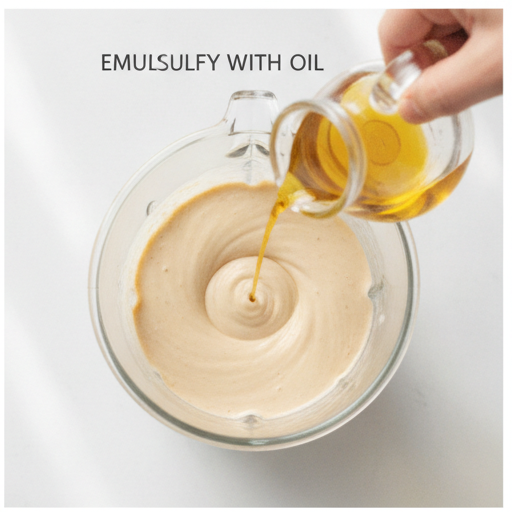
- With the blender running on low, remove the center cap from the lid and slowly drizzle in the grapeseed oil in a steady stream. This will emulsify the dressing, giving it a creamy, silky texture. Blend until fully combined and thick, about 20 seconds.
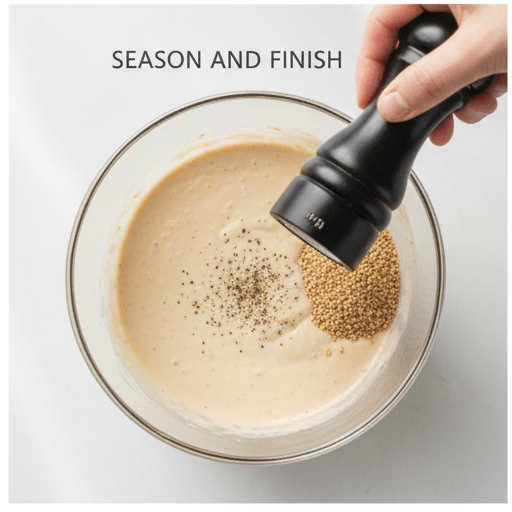
- Transfer the dressing to a bowl or jar, then stir in the freshly ground black pepper and toasted sesame seeds. These add a gentle crunch and extra flavor.
Nutrition
Notes
Tried this recipe?
Let us know how it was!Why This Creamy Sesame Ginger Dressing Works
I gotta be honest with you. I’ve been chasing that hibachi restaurant flavor for years. You know the one. That creamy, tangy, nutty dressing they serve over the salad before the main event. And every single bottled version I tried just felt like a compromise. Too sweet. Too oily. Weird artificial flavors. So I decided to crack the code myself.
And you know what? It’s actually ridiculously simple. This ginger salad dressing takes literally five minutes to whip up. No blender required if you’re good with a whisk, though I’ll show you the blender method for that ultra-smooth texture. The whole thing comes together in a mason jar, and I promise you, it tastes exactly like what you get at your favorite Japanese steakhouse. Maybe better.
Here’s the thing I love most about this recipe. It’s not just a salad dressing. It’s a sesame ginger dressing that pulls double duty as a marinade for chicken or tofu, a dip for spring rolls, and a drizzle for grain bowls. And because we’re making it ourselves, we control every single ingredient. No preservatives. No high-fructose corn syrup. Just real, fresh stuff that makes your taste buds happy.
So if you’ve been staring at that bottle of store-bought dressing in your fridge wondering why it doesn’t hit the same way the restaurant version does, this is your sign. Let’s make it from scratch.
Ingredients for Sesame Ginger Dressing
Before we dive in, let me walk you through what you’ll need. The ingredient list is short, but each one plays a specific role. And I’ve got a few notes on how to pick the best stuff.
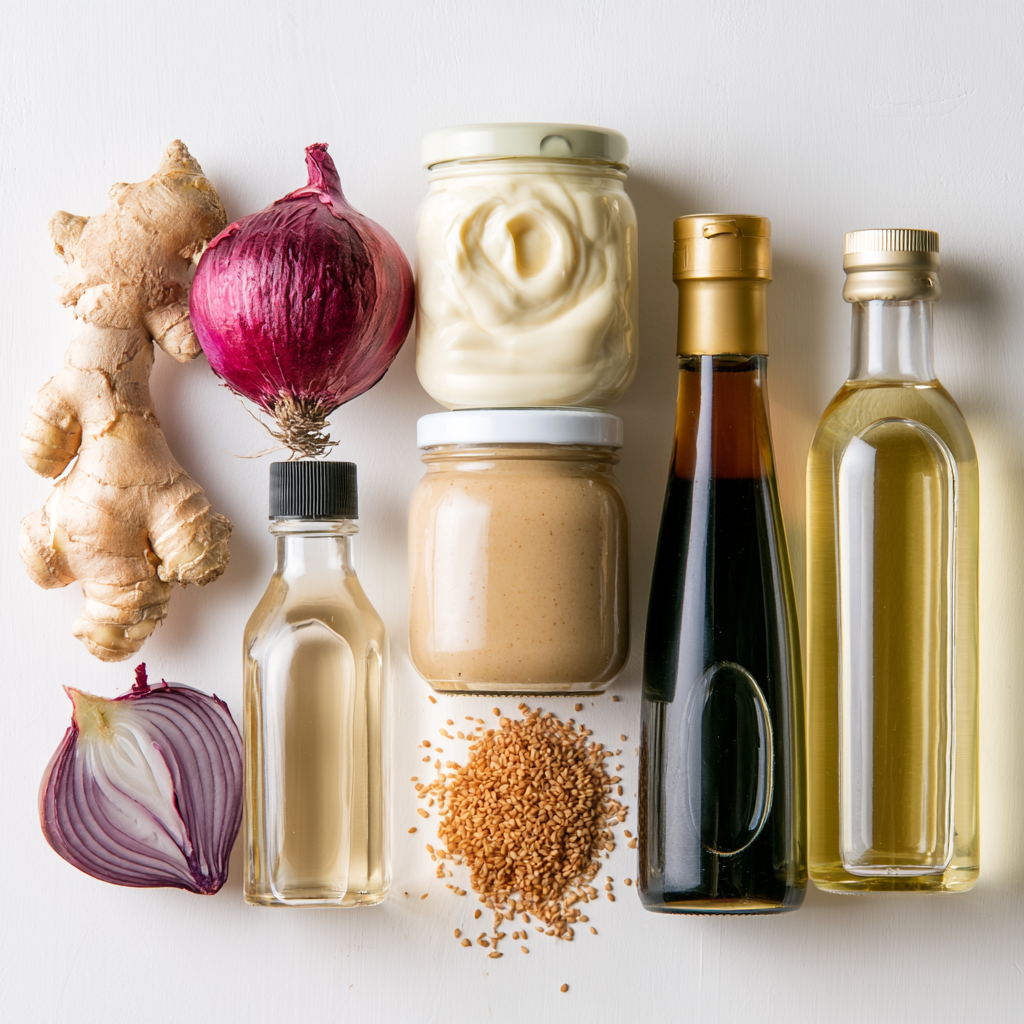
- Fresh ginger, peeled and finely minced: This is the star. Don’t even think about using the dried stuff. Fresh ginger gives that warm, slightly spicy kick that makes this dressing sing. I use about 1 tablespoon, but honestly, I always add a little extra because I can’t help myself.
- Red onion, finely minced: Just a tablespoon adds a subtle sharpness that balances the richness. You won’t taste onion separately, I promise.
- Rice vinegar: This is your acid. It’s milder than white vinegar and adds that clean, bright note that cuts through the oil. Don’t substitute with apple cider vinegar here unless you’re in a pinch.
- Mayonnaise: I know, I know. Mayo in a salad dressing seems weird. But trust me, it’s the secret to that creamy texture. Use avocado oil mayo for a California twist.
- Tahini: This is where the nutty depth comes from. Make sure you stir it well before measuring because the oil separates. A smooth, runny tahini works best. My favorites are Soom and Cedar’s.
- Toasted sesame oil: A little goes a long way. This is pure, concentrated sesame flavor. Don’t skip it.
- Low-sodium soy sauce: For that salty, umami punch. Use tamari if you need it gluten-free.
- Grapeseed oil: This is our emulsifier. It’s neutral in flavor, so it doesn’t compete with the sesame. Avocado oil works great too.
- Freshly ground black pepper and toasted sesame seeds: These go in at the end for texture and a little heat.
That’s it. Simple, right? Now let’s talk about how to put it all together.
Step-by-Step Instructions
Alright, let’s get cooking. Or rather, let’s get blending. This is so easy you’ll wonder why you ever bought bottled dressing.
Step 1: Blend the Base
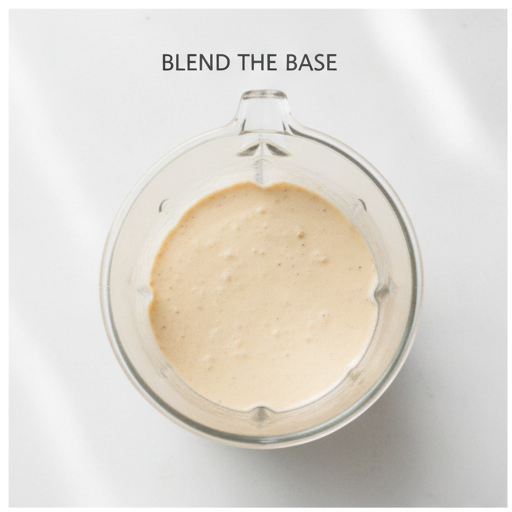
Start by adding your minced ginger, minced red onion, rice vinegar, mayonnaise, tahini, toasted sesame oil, and low-sodium soy sauce to a blender. I use a small blender for this because the quantity is small, but a regular one works too. Blend on high until everything is completely smooth. This takes about 30 seconds. Stop and scrape down the sides with a spatula to make sure nothing’s hiding at the bottom.
You’ll see the mixture turn into a pale, creamy base. The smell at this point is incredible. Fresh ginger and toasted sesame oil just fill the air. I always take a little taste here to check the balance.
Step 2: Emulsify with Oil
Now for the magic. With the blender running on low, remove the center cap from the lid. Slowly drizzle in the grapeseed oil in a steady stream. This is what emulsifies the dressing, giving it that silky, creamy texture that clings to every leaf of lettuce. Blend until it’s thick and fully combined, about 20 seconds.
If you don’t have a blender, you can absolutely do this with a whisk in a bowl. Just go slow with the oil and whisk like crazy. It takes a little more elbow grease, but the result is the same.
Step 3: Season and Finish
Transfer the dressing to a bowl or a mason jar. Then stir in the freshly ground black pepper and toasted sesame seeds. Don’t blend these in. You want them whole for that little pop of texture and flavor. The sesame seeds add a gentle crunch that makes every bite interesting.
Step 4: Store and Enjoy
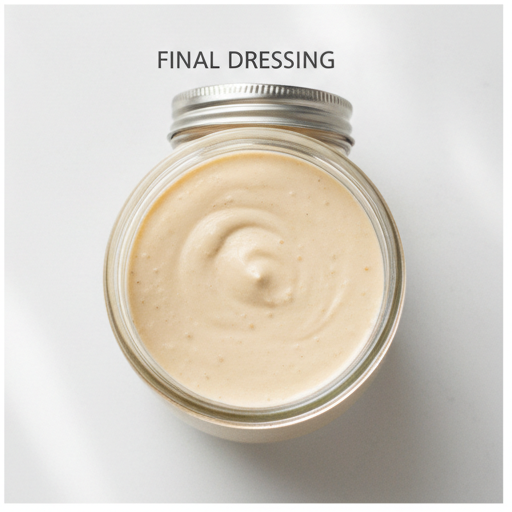
That’s it. You’re done. Pour the dressing into a clean jar or bottle and pop it in the fridge. It’ll keep for up to a week, though I doubt it’ll last that long. Just give it a good shake before using, because the ingredients might separate a little as it sits.
Tips for the Best Ginger Dressing
I’ve made this dressing at least 50 times. Seriously. And I’ve learned a few things along the way that make a real difference.
- Use a good tahini. Not all tahini is created equal. Some are thick and pasty, some are smooth and runny. For this dressing, you want the runny kind. Brands like Soom, Cedar’s, Trader Joe’s, and Seed+Mill are my go-tos. If your tahini is too thick, the dressing won’t emulsify properly and will be grainy.
- Don’t skip the mayo. I know it sounds weird, but the mayonnaise is what gives this dressing that restaurant-quality creaminess. Without it, you’ll end up with a thinner, more vinaigrette-like texture. If you’re vegan, use a good vegan mayo or add an extra tablespoon of tahini.
- Toast your sesame seeds. If your sesame seeds aren’t already toasted, give them a quick dry toast in a pan over medium heat for 2-3 minutes until they’re fragrant and lightly golden. It makes a huge difference in flavor.
- Adjust to your taste. This is your dressing. Add more ginger if you love that kick. A pinch of red pepper flakes if you want heat. A little extra honey if you like it sweeter. The base recipe is perfect, but don’t be afraid to make it yours.
One more thing. If the dressing thickens up too much after chilling, just add a teaspoon of water or rice vinegar and shake it up. It’ll loosen right back to that perfect consistency.
Variations to Try
Once you’ve mastered the basic sesame ginger dressing, it’s fun to play around with variations. Here are a few of my favorites.
- Vegan version: Swap the mayonnaise for vegan mayo or an extra tablespoon of tahini. Everything else stays the same.
- Spicy sesame dressing: Add a small pinch of red pepper flakes or a dash of sriracha to the blender. It gives the dressing a nice kick without overwhelming the other flavors.
- Extra creamy: If you want an even richer dressing, add an extra tablespoon of mayonnaise and reduce the grapeseed oil by a tablespoon. You’ll get a thicker, almost dip-like consistency.
- Gluten-free: Use tamari instead of soy sauce. That’s the only swap you need to make.
Each variation changes the personality of the dressing just enough to keep things interesting. I personally love the spicy version on cold noodle salads.
How to Use Sesame Ginger Dressing
So you’ve made this gorgeous ginger salad dressing. Now what? The possibilities are honestly endless.
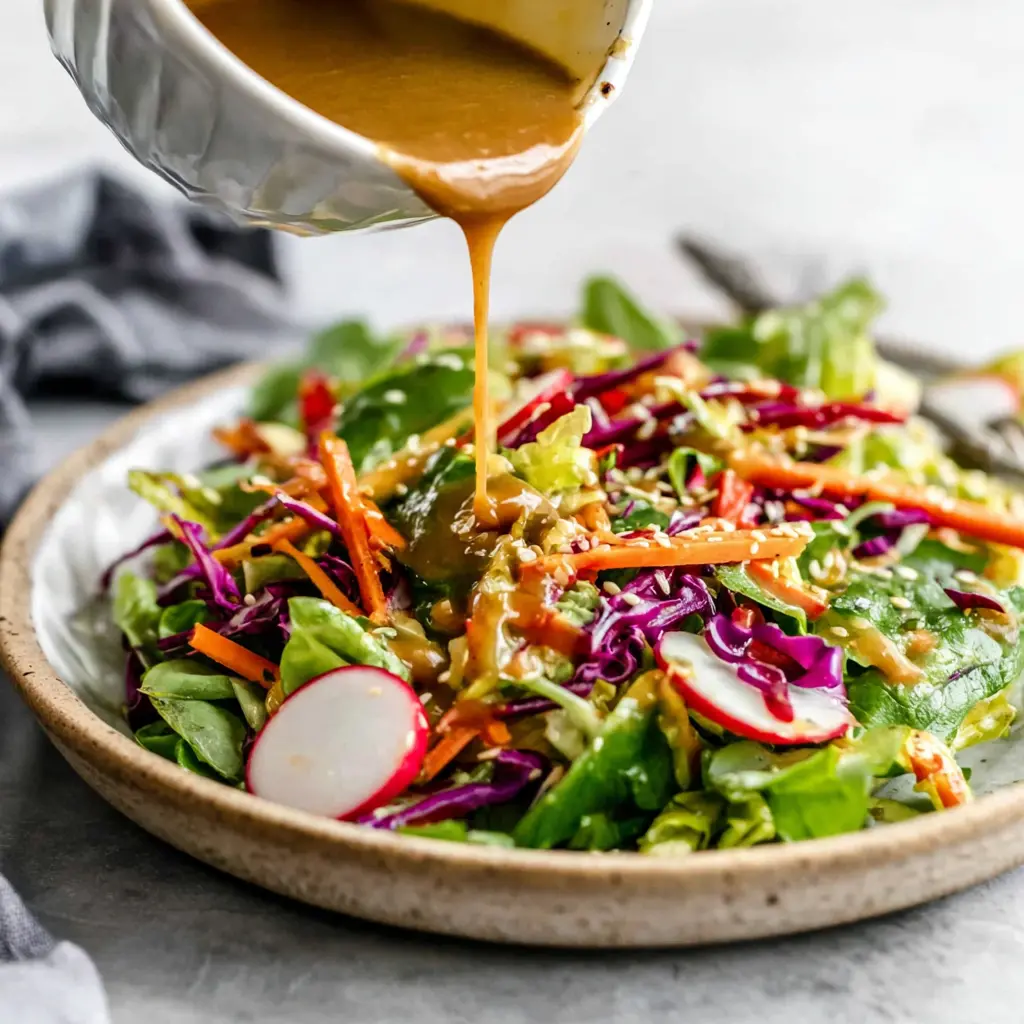
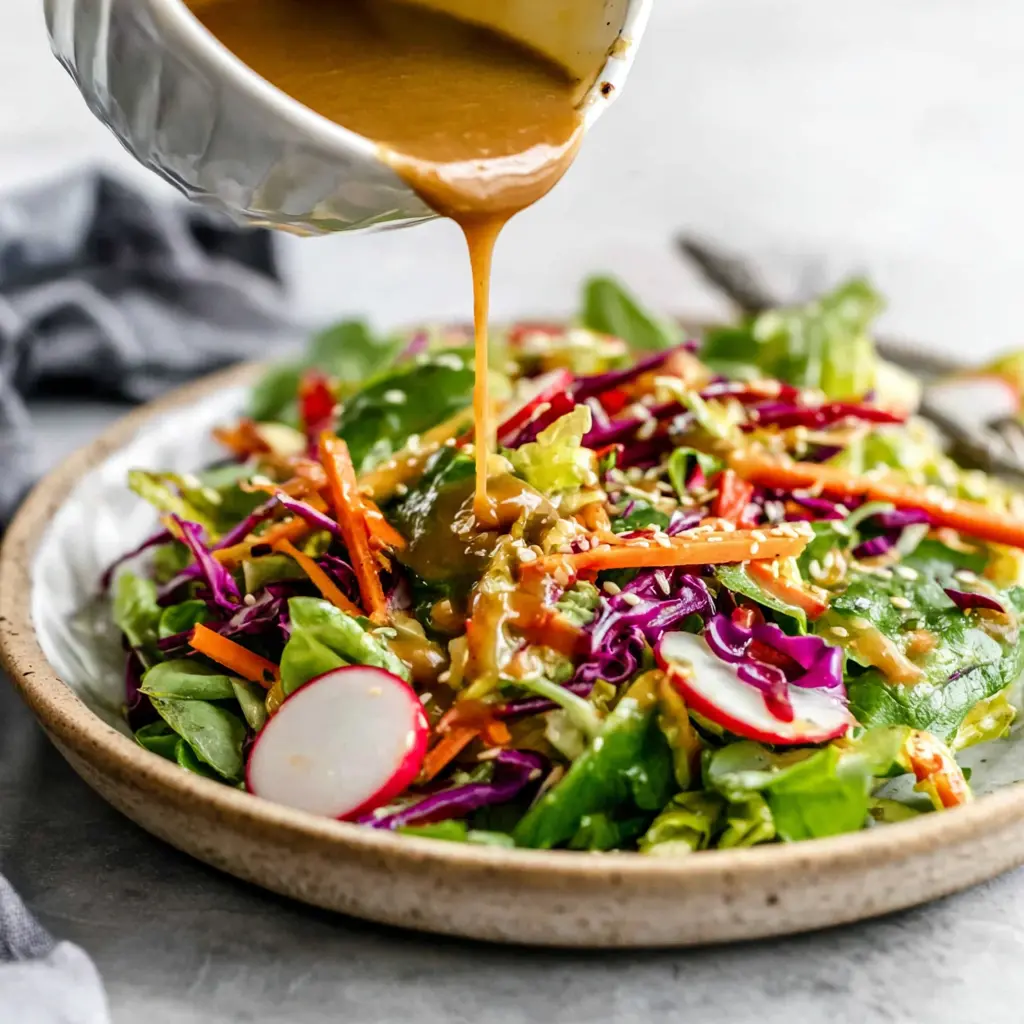
- On salads: Obviously. It’s incredible on a simple green salad with mixed greens, shredded carrots, and sliced radishes. But it also shines on an Asian chopped salad with cabbage, edamame, and crispy wontons.
- On grain bowls: Drizzle it over cooked quinoa, brown rice, farro, or millet. Add some roasted sweet potatoes, avocado, and a protein like baked tofu or edamame. It’s a complete meal.
- As a marinade: Use it to marinate chicken, tofu, or tempeh before grilling or baking. The sesame and ginger flavors infuse beautifully.
- As a dip: Serve it alongside spring rolls, dumplings, or crudités. It’s thick enough to cling to veggies and flavorful enough to stand on its own.
- On roasted vegetables: Drizzle it over roasted broccoli, eggplant, sautéed bok choy, or snap peas. It adds a burst of flavor that transforms simple veggies.
Honestly, once you start using this dressing, you’ll find yourself putting it on everything. I’ve even used it as a sauce for cold soba noodles. It’s that versatile.
Storage and Make-Ahead Tips
This dressing is perfect for meal prep. Here’s how to store it and keep it fresh.
- Store in an airtight container: A mason jar or a glass bottle with a tight lid works perfectly. Keep it in the refrigerator.
- Shelf life: It stays fresh for up to a week. After that, the flavors start to fade, and the ginger might lose its punch.
- Revive after refrigeration: The dressing will thicken as it chills. Just take it out 10 minutes before using, or add a teaspoon of water or rice vinegar and shake vigorously.
- Don’t freeze: The emulsion will break, and the texture will be off. Make a fresh batch instead.
I usually make a double batch on Sunday and use it throughout the week. It makes lunch prep so much easier.
Frequently Asked Questions
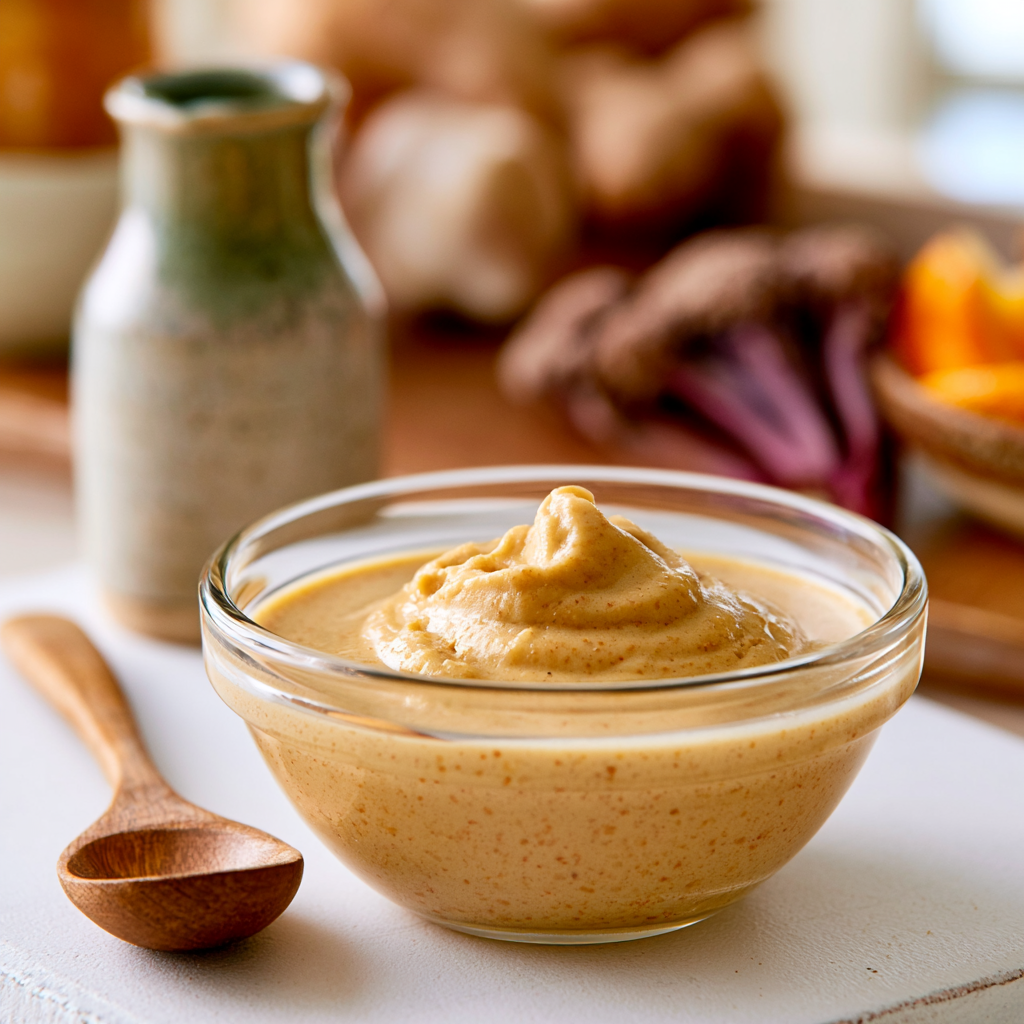
So there you have it. A creamy, tangy, nutty ginger salad dressing that takes five minutes to make and tastes better than anything you’ll find in a bottle. I promise you, once you make this, you’ll never go back to store-bought. It’s that good.
Go make this dressing. You’ll thank me later. And if you’re looking for more inspiration, check out my Pinterest board for all my favorite salad and dressing ideas.
Source: Nutritional Information
What are the ingredients in Newman’s own sesame ginger dressing?
Newman’s Own sesame ginger dressing typically includes water, soybean oil, sugar, rice vinegar, sesame seeds, ginger puree, and soy sauce. Our homemade version uses fresh ginger, real tahini, and avocado oil mayo for a cleaner, more vibrant flavor.
What to put sesame ginger dressing on?
This dressing is incredibly versatile. Use it on green salads, grain bowls, cold noodle salads, roasted vegetables, or as a marinade for chicken or tofu. It also works great as a dip for spring rolls or fresh veggies.
What is the dressing used at hibachi restaurants?
Hibachi restaurants typically serve a creamy ginger dressing made with fresh ginger, soy sauce, rice vinegar, sesame oil, and mayonnaise. Our recipe recreates that exact flavor with a California twist using tahini and avocado oil mayo.
Where did sesame ginger dressing come from?
Sesame ginger dressing has roots in Japanese cuisine, where sesame and ginger are staple ingredients. It became popular in the US through Japanese steakhouse restaurants, where it’s served as a salad dressing before the main meal.
What’s the unhealthiest salad dressing?
Bottled dressings like ranch, Caesar, and creamy vinaigrettes often contain high amounts of added sugar, unhealthy oils, and preservatives. Our homemade ginger dressing uses clean ingredients and lets you control the quality of every component.
What are the ingredients in Annie’s sesame ginger dressing?
Annie’s sesame ginger dressing contains water, expeller-pressed canola oil, rice vinegar, tamari, cane sugar, sesame seeds, ginger puree, and garlic. Our version uses fresh ginger, tahini, and avocado oil for a richer, more authentic flavor.
What is the Jennifer Aniston salad?
The Jennifer Aniston salad is a bulgur-based salad with cucumber, parsley, mint, red onion, pistachios, and feta, often dressed with lemon and olive oil. Our sesame ginger dressing would be a tasty twist on that classic.
What is the healthiest salad dressing in the world?
The healthiest salad dressings are homemade with clean ingredients like olive oil, vinegar, and fresh herbs. Our ginger dressing is a great option because it uses avocado oil, fresh ginger, and no added sugar or artificial flavors.
Does sesame ginger dressing need to be refrigerated?
Yes, because it contains fresh ingredients like ginger, onion, and mayonnaise, this dressing should be stored in the refrigerator. It will keep for up to a week. Shake well before each use.
What are the two sauces they give at hibachi?
Hibachi restaurants typically serve a creamy ginger dressing for the salad and a white sauce (often called yum yum sauce) for the main dish. Our ginger dressing replicates the salad dressing perfectly.
What’s the secret to hibachi flavor?
The secret to hibachi flavor is the combination of toasted sesame oil, soy sauce, and fresh ginger. These ingredients create that signature savory, nutty, and slightly sweet profile that makes hibachi food so addictive.
What liquid do hibachi chefs use?
Hibachi chefs use a combination of soy sauce, sesame oil, and sometimes sake or mirin for cooking. For the dressing, they use rice vinegar, ginger, and mayonnaise to create that creamy texture.
What does sesame ginger dressing taste like?
Sesame ginger dressing tastes nutty, tangy, and slightly sweet with a warm kick from fresh ginger. The toasted sesame oil adds a rich, savory depth, while the rice vinegar provides brightness. It’s creamy and balanced.
Which oil is the queen of all oils?
Olive oil is often called the queen of oils for its health benefits and versatility. For this dressing, we use grapeseed or avocado oil because they’re neutral and let the sesame and ginger flavors shine.
When not to eat sesame seeds?
Avoid sesame seeds if you have a known allergy or if they cause digestive issues. For most people, they’re perfectly safe and healthy. This dressing uses a small amount, so it’s generally well tolerated.