
Quick Authentic Japanese Chicken Rice Bowl Marinade
Ingredients
Method
- Combine chicken, sake, salt, and white pepper in a bowl; marinate for 10 minutes.
- In a small mixing bowl, add dashi, soy sauce, mirin, and sugar. Mix until the sugar dissolves, then set aside.
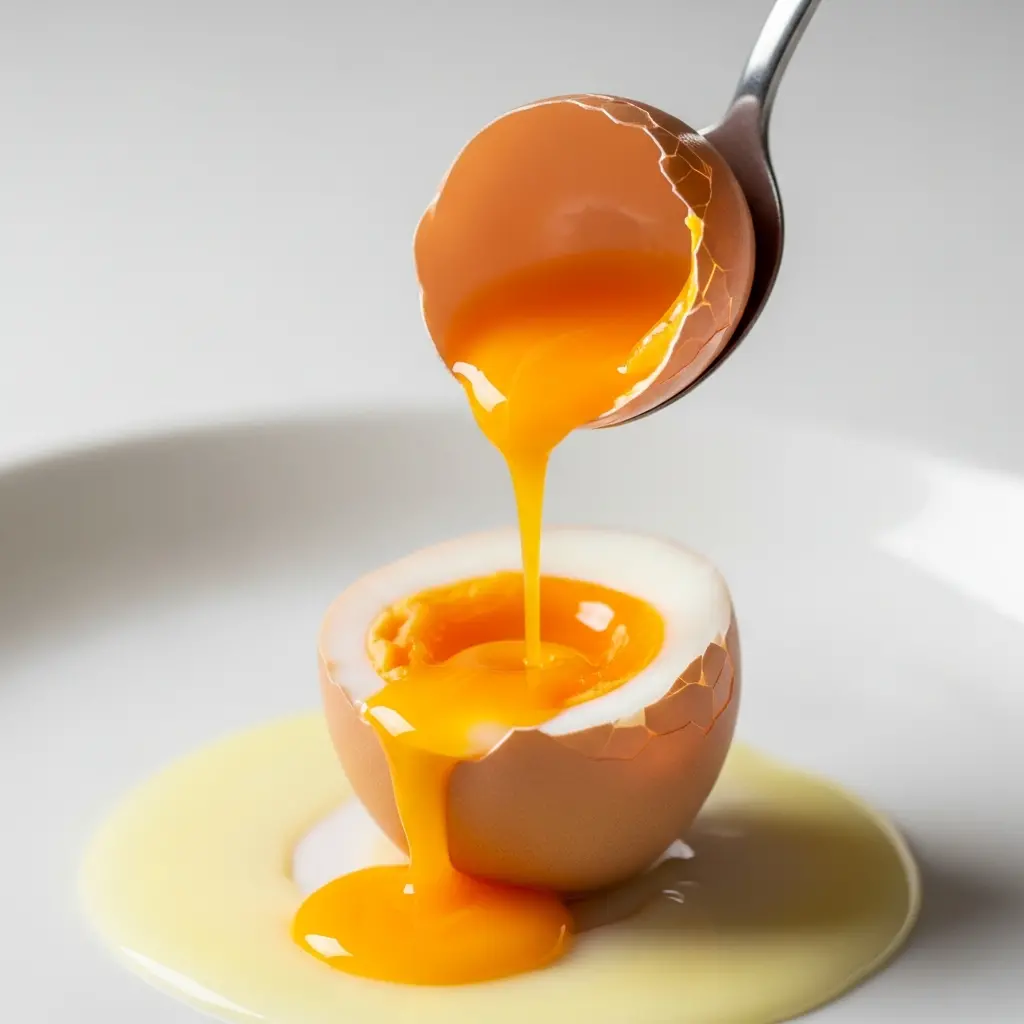
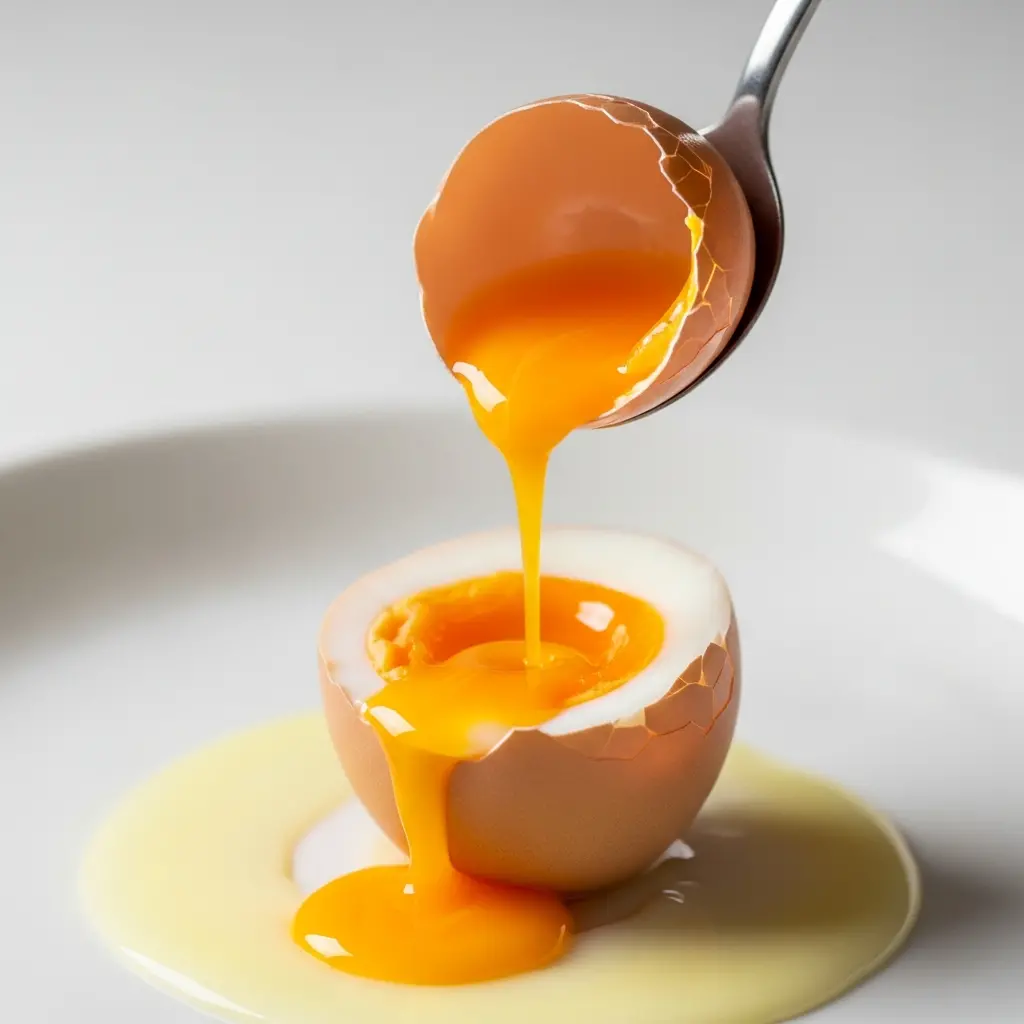
- Crack eggs into a bowl. Gently lift the egg yolks with chopsticks a few times, ensuring egg whites are not completely mixed to create a marbled pattern.
- In a medium frying pan over medium heat, add onions and dashi mixture. Simmer until fragrant, about 1-2 minutes.
- Add the chicken and cook for 5 minutes, flipping halfway, until no longer pink.
- Pour in the eggs and gently scramble with a rubber spatula until just set with slightly runny tops.
- Serve over white rice. Garnish with green onion, sesame seeds, and togarashi.
Nutrition
Notes
- Use high-quality eggs! Fresh eggs with a rich golden orange-yellow yolk will yield the best flavor and texture.
- Use scissors to cut the yolk. If you want the authentic chicken oyakodon look where the egg whites and egg yolks pop with contrast, use scissors to cut the egg yolks instead of mixing them.
- Cook the onions until softened. Cook the onions until they are translucent, fragrant, and lightly softened before adding the chicken. This will caramelize them for the final result.
- Remove from heat when eggs are slightly runny. Remove the eggs when they are set but slightly runny on top. The residual heat will continue to cook them when you serve them.
- Storage Instructions: Chicken oyakodon is best served immediately, but you can save any leftovers in an airtight container in the refrigerator for up to 3 days.
- Reheat: reheat in the microwave until warm or reheat on the stove in a pan over medium heat until warm.
Tried this recipe?
Let us know how it was!Why Make This Japanese Chicken Rice Bowl?
Honestly, I used to think making a really authentic japanese chicken rice bowl recipe at home was one of those intimidating kitchen feats, you know? Like, it felt reserved for fancy Japanese restaurants or super experienced chefs. I mean, I’d crave that comforting, savory goodness, especially during these mild Los Angeles spring evenings when you want something satisfying but not too heavy. But the thought of dry chicken, bland sauce, or just not getting that “right” taste always held me back. That’s where this recipe comes in, and trust me, it’s a game-changer. This isn’t just another chicken donburi recipe; it’s *the* one that’ll make you feel like you’ve mastered Japanese comfort food. We’re talking perfectly tender chicken, coated in a rich, umami-packed japanese rice bowl sauce, nestled over fluffy, steaming short grain rice. It’s unbelievably easy, honestly, and delivers that restaurant-quality flavor right to your kitchen table. You’ll be amazed at how simple it is to achieve such a delicious result.Getting Started: Your Ingredients & Tools
Building confidence in the kitchen often starts with knowing your ingredients and having the right tools. For this japanese chicken rice bowl recipe, you won’t need anything super fancy, I promise. Most of these items you can grab on your next Trader Joe’s run or at Ralphs. We’re looking for boneless, skinless chicken thighs for that perfectly tender texture, but I’ll tell you, chicken breast will also work well, just slice it thin to cook rapidly and avoid overcooking. For the marinade and sauce, we’re talking soy sauce, mirin, and dashi Japanese soup stock. Don’t worry if you don’t have dashi; you can absolutely use chicken broth as a simple substitute, though the dashi really does add that authentic depth. And if you’re wondering about sake, I mean, you can skip it or use a sake cooking alternative like rice vinegar with a pinch of sugar. The key is that umami rich marinade, so don’t sweat the small stuff too much. You’ll also want some fresh yellow onion, large eggs for that soft boiled egg donburi topping, and of course, good quality short grain rice. For garnishes, green onion, sesame seeds, and a sprinkle of shichimi togarashi seasoning really tie everything together.How to Create Your Perfect Japanese Chicken Rice Bowl
Alright, let’s get into the good stuff: making this amazing japanese chicken rice bowl recipe. The beauty of a donburi recipe is its simplicity, but there are a few little tricks to make it truly shine. The first thing you’ll do is get that chicken marinating. This isn’t just about flavor, you know, it’s about making sure your chicken is juicy and tender. You’ll want to give it at least 20 minutes, but honestly, a couple of hours in the fridge makes it even better. While your chicken is soaking up all that delicious ginger garlic soy sauce, you can get your perfect sushi rice going. Whether you’re using a rice cooker method or cooking it on the stove, the key is rinsing the rice until the water runs clear. This removes excess starch, which means you’ll get individual, fluffy grains instead of a sticky, gummy mess. Trust me on this, it’s a small step that makes a huge difference in achieving the right texture for the rice. Once your chicken is marinated and your rice is cooking, the rest comes together so quickly, you’ll wonder why you ever ordered takeout.
Pro Tips for Your Japanese Chicken Rice Bowl
You want to know the secrets to making your chicken donburi at home taste truly amazing? It’s all in these little details, honestly. First, let’s talk about the sauce. While homemade dashi is nice, it’s not absolutely necessary for this simple dish, which has so many other strong flavors. I mean, the soy sauce, mirin, and ginger really pull a lot of weight. If you’re looking for that extra kick, a sprinkle of togarashi (Japanese chile powder, either ichimi or shichimi) will work wonders on this dish. It adds a lovely warmth without being overwhelmingly spicy. When you’re cooking the chicken, don’t overcrowd the pan. I learned this the hard way, you know? You want a nice sear, and too many pieces just steam instead of browning. Cook your chicken thighs until they’re golden brown and perfectly tender, usually about 5-7 minutes per side. For chicken breast, slice it thin and cook 3-4 minutes. And here’s a tip: when you’re frying chicken, use a metal slotted spoon to gently turn pieces for even browning and to drain excess oil. It really makes a difference. Another thing: that soft-boiled egg. It’s truly a thing of beauty in a teriyaki chicken bowl. Getting that silky egg yolk just right is easier than you think. Pop your eggs into boiling water for exactly 6-7 minutes, then immediately plunge them into an ice bath. They’ll be perfect. And hey, pickled ginger is a polarizing ingredient; feel free to skip it if you don’t love it. No judgment here, I mean, it’s your bowl!Common Mistakes & Fixes for Your Japanese Chicken Rice Bowl
Mistake: Overcooking chicken breast.
Solution: Chicken breast can dry out fast. Slice it thin and cook it for just 3-4 minutes per side. Thighs are more forgiving, needing 5-7 minutes. You want it perfectly tender, not tough.
Mistake: Overbeating eggs for the egg topping.
Solution: When you’re adding the egg to the simmering sauce, you don’t want a completely uniform scramble. Aim for distinct sections of egg white and yolk; it gives a better texture and visual appeal.
Mistake: Your sauce is too thin or watery.
Solution: This can happen if you’ve added too much liquid or haven’t let it simmer long enough. Just let it gently reduce over low heat. The sugar and mirin will help it thicken to a lovely, glistening sauce that coats the back of a spoon.
Mistake: Mushy or overly sticky rice.
Solution: Did you rinse your short grain rice enough? That’s usually the culprit. Rinse it multiple times until the water runs completely clear before cooking. This removes excess starch for a fluffy, separate grain texture.
Serving Suggestions for Your Donburi
Once your japanese chicken rice bowl is assembled, you’ll want to make it feel like a real feast, you know? This donburi is a complete meal on its own, but it also loves a good sidekick. I mean, who doesn’t? For something quick and easy, a simple side of Super Easy Miso Soup or a refreshing Spicy Cucumber Salad would be amazing. If you’re feeling a bit more adventurous, some Vegan Homemade Kimchi adds a fantastic tangy crunch. Or, if you want to keep the comfort food vibe going, a Super Simple Egg Drop Soup is always a winner. You could also serve it with a variety of pickled vegetables (tsukemono) or some pan-fried gyoza. Don’t forget a fresh lemon wedge; a squeeze of Meyer lemon juice over the bowl right before eating truly brightens up all those rich flavors. It’s just right.Alcohol-Free Variation
This recipe can easily be made without alcohol. Here are the substitutions I recommend:
- Sake → rice vinegar + water (1:3 ratio). For umami and acidity
These swaps maintain the depth of flavor while keeping the dish completely alcohol-free. Perfect for family-friendly meals or personal preference.
Japanese Chicken Rice Bowl Variations & Substitutions
One of the things I love about a good japanese chicken rice bowl recipe is how adaptable it is. You can really make it your own! For a richer finished dish, especially if you’re a big egg fan, you could use four eggs. Reserve two of the yolks to add to the finished bowls just before serving; it’s a beautiful, luxurious touch. Beat the extra egg whites together with the other eggs, and you’ll get a wonderfully silky texture. If you can’t find mitsuba, that lovely Japanese herb similar to parsley, don’t worry about it. It adds a fresh note, but the dish is still absolutely delicious without it. Honestly, sometimes I just use a bit more green onion for a similar fresh pop. And like I said earlier, while chicken thighs are my personal preference for that juicy, tender chicken, chicken breast will also work well. Just be sure to slice it thin and keep an eye on it so it doesn’t overcook. This makes it a really healthy chicken bowl option, too.Storing & Reheating Your Japanese Chicken Rice Bowl
Life in Los Angeles is busy, I mean, we’re all about that meal prep Japanese lifestyle, right? So, knowing how to store and reheat your japanese chicken rice bowl recipe is super helpful. You’ll want to store the leftover components in separate airtight containers in the fridge. That means your cooked short grain rice, the tender chicken thighs, the sauce, and any garnishes like scallions or pickled ginger should all have their own little homes. The chicken will keep for up to four days in the fridge, which is so good for meal prepping. The rice, believe it or not, will stay good for about one to two weeks in the fridge. If you’ve made extra homemade teriyaki sauce, it can be refrigerated indefinitely. When you’re ready for another comforting teriyaki chicken bowl, you can store and reheat the chicken and rice together. Just pop single servings in the microwave for about 45 seconds to a minute until heated through. Then, assemble with your fresh green onions and a perfectly soft boiled egg donburi, and it’s like you just made it!Frequently Asked Questions
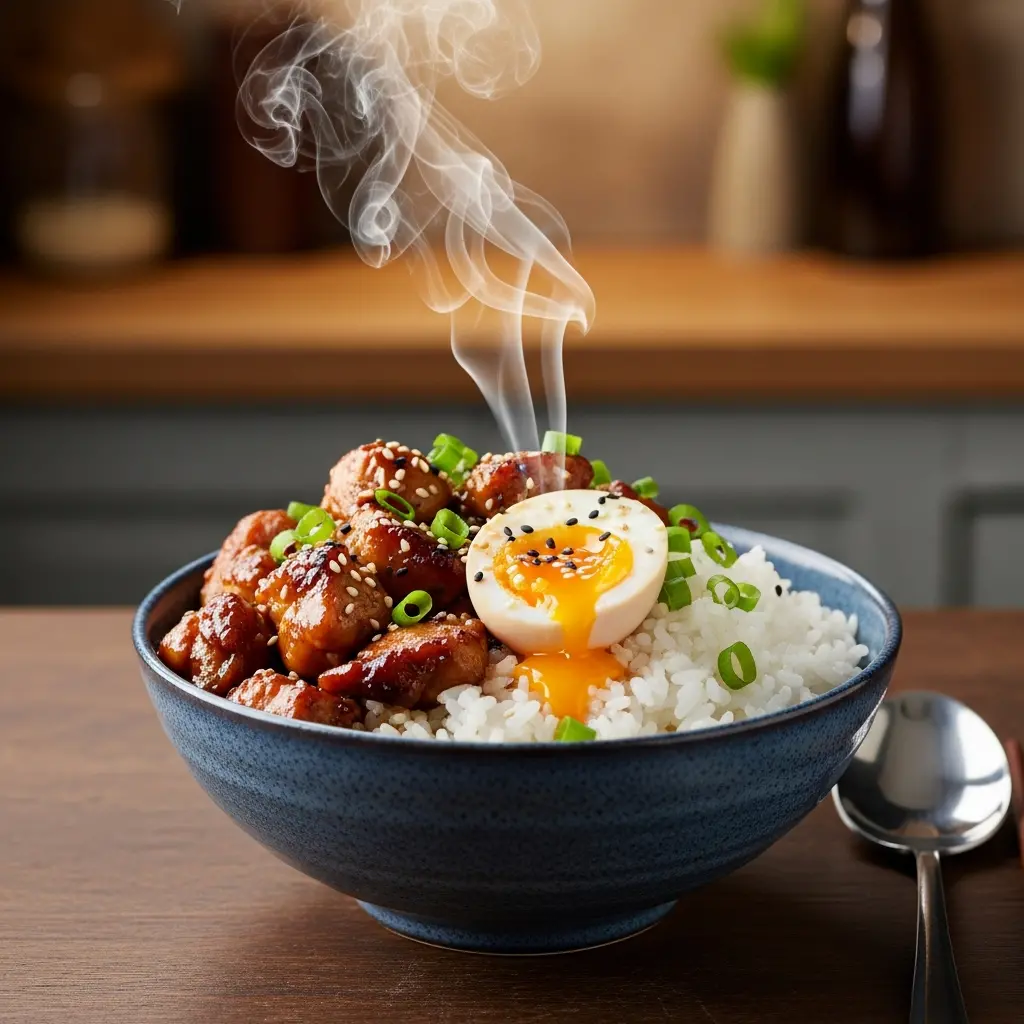
So there you have it! Your very own, incredibly delicious, and honestly, pretty simple japanese chicken rice bowl recipe. When you make this, you’ll be amazed at how easily you can create such authentic flavors right in your own kitchen. It’s such a comforting meal, perfect for a spring evening or any time you’re craving something truly satisfying. You’ve got this! Go forth and conquer your kitchen, one delicious Japanese chicken rice bowl at a time! And for more inspiration, check out my Pinterest boards.
Source: Nutritional Information
How do you make an authentic japanese chicken rice bowl recipe at home?
Making an authentic japanese chicken rice bowl recipe at home is simpler than you think! The key is using quality ingredients like tender chicken thighs, a rich dashi-based sauce, and perfectly cooked short grain rice. Focus on a good marinade for the chicken and don’t skip rinsing the rice for the best texture. It’s all about balancing those savory, sweet, and umami flavors.
What are the key ingredients for a delicious and authentic japanese chicken rice bowl marinade?
For a truly delicious and authentic japanese chicken rice bowl marinade, you’ll want soy sauce, mirin, a touch of sugar, and fresh ginger and garlic. Dashi Japanese soup stock is also a key player for that deep umami flavor. This combination creates a rich, slightly sweet, and savory marinade that makes the chicken perfectly tender and flavorful.
Can I make this Japanese chicken rice bowl with egg recipe ahead of time, and how should I store it?
Absolutely! You can definitely meal prep this japanese chicken rice bowl with egg recipe. Store the cooked chicken, rice, and sauce in separate airtight containers in the fridge for up to four days. Reheat individual portions in the microwave, then add fresh garnishes and a freshly prepared soft-boiled egg for the best experience. This makes for an easy weeknight Japanese meal.
What’s the difference between Oyakodon and other types of japanese chicken rice bowl dishes?
Oyakodon is a specific type of donburi recipe where chicken and egg are simmered together in a savory broth, then poured over rice. The egg is typically still a bit runny or custardy. Other japanese chicken rice bowl dishes might feature grilled teriyaki chicken, crispy fried chicken, or different sauce bases, but Oyakodon is unique for its “parent and child” (oyako) combination of chicken and egg cooked together.
Are there any easy substitutions for the traditional ingredients in a marinated chicken rice bowl Japanese style?
Yes, there are! For dashi, you can use chicken broth. If you don’t have mirin, a splash of rice vinegar with a pinch of sugar works as a decent mirin substitute. Chicken breast can replace thighs if sliced thin. Mitsuba, the Japanese herb, can be omitted or swapped for green onions. These simple changes mean you can still enjoy a delicious marinated chicken rice bowl Japanese style even without every traditional ingredient.
Is brown sugar necessary for this japanese chicken rice bowl recipe? My husband is a diabetic.
No, brown sugar is not strictly necessary for this japanese chicken rice bowl recipe. While it adds a lovely sweetness and helps with caramelization in the teriyaki chicken bowl sauce, you can definitely omit it or use a sugar substitute suitable for diabetics. The mirin in the recipe also provides some natural sweetness, so the flavor will still be amazing!