

Why You’ll Love These Lemon Blueberry Scones
Picture the bakery case at your favorite coffee spot on a Saturday morning. The glass fogs up, and right at eye level sit those tall, craggy lemon blueberry scones with sugar glittering on top. Now imagine pulling the same thing out of your own oven, except these are gluten-free and nobody at the table will guess it.
That’s exactly what these lemon blueberry scones deliver. Almond flour gives them a tender, almost shortbread-like crumb, while fresh blueberries burst into little pockets of jammy sweetness. The Meyer lemon zest and citrus glaze add a bright, clean finish that cuts right through the richness.
Here’s why this lemon blueberry scone recipe earns a permanent spot in your rotation:
- It comes together in about 25 minutes, start to finish
- Super-fine almond flour keeps them gluten-free and seriously tender
- Greek yogurt adds moisture without weighing the dough down
- The Meyer lemon glaze is optional, but honestly it’s the best part
These lemon blueberry scones are the thing I make when I want something that feels bakery-fancy but takes almost zero effort. They’re also the reason my kitchen smells like a patisserie on Sunday mornings, and I’m not mad about it.
Key Ingredients for Lemon Blueberry Scones
You only need a handful of everyday staples for these lemon blueberry scones, and the full amounts are in the recipe card below. Let’s talk about the ones doing the heavy lifting.
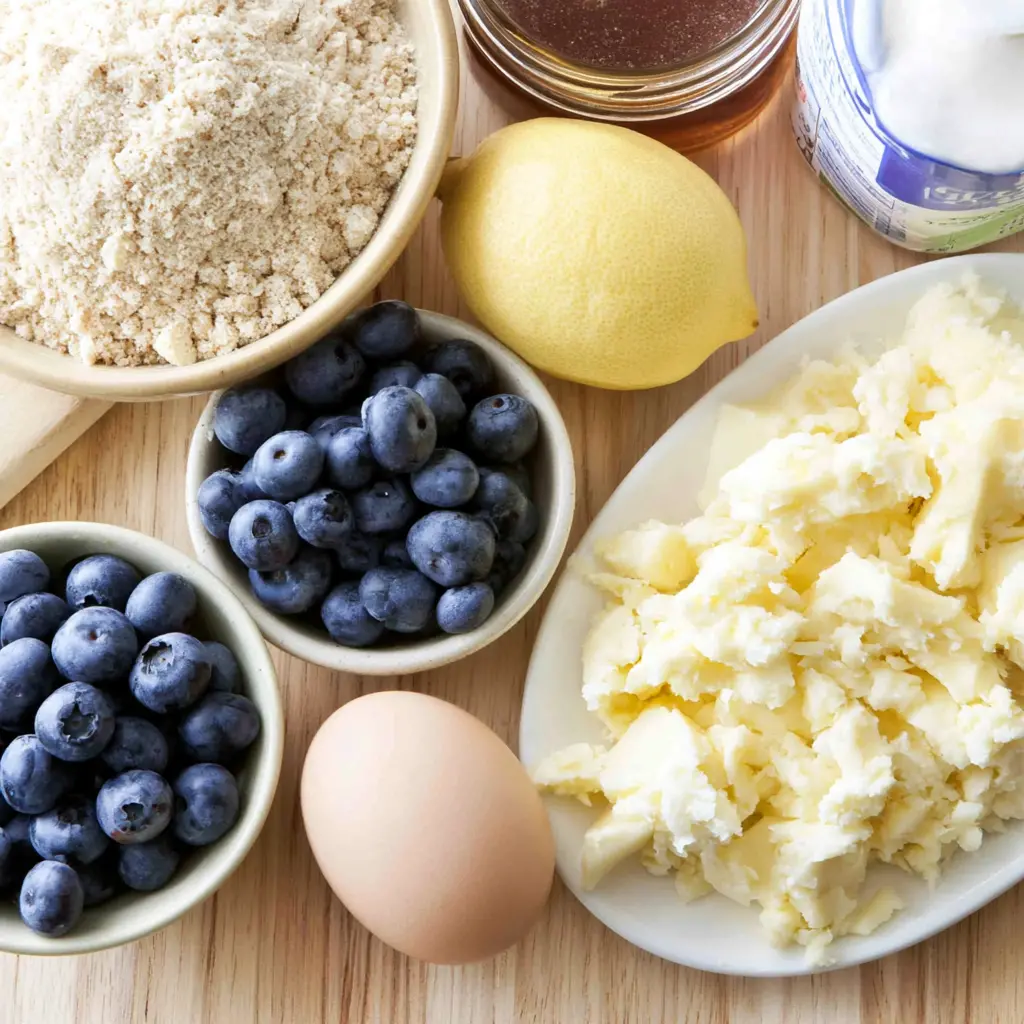
- Super-fine almond flour: Spoon and level it. Don’t scoop. Almond flour packs down fast, and too much of it makes dry, crumbly scones. Keep 2 to 4 extra tablespoons on hand in case the dough needs help coming together.
- Frozen unsalted butter, coarsely grated: This is the cold butter magic. The frozen shreds melt in the oven and create steam, which builds those flaky layers. Grate it while frozen and keep it frozen until the last second.
- Fresh blueberries: Rinse them, then pat them very dry. Damp berries bleed purple streaks into the dough, and nobody wants gray-ish scones.
- Meyer lemons: The zest goes straight into the dry mix, and fresh juice makes the glaze. Meyer lemons are sweeter and less tart than regular lemons, which is perfect here.
- Greek yogurt, honey, and an egg: These bind everything together with just enough sweetness.
That’s it. No weird specialty ingredients. A quick trip to Ralphs, Vons, or Trader Joe’s covers all of it, and during August, the farmers market has the berries. Peak-season blueberries, the kind that stain the paper bag before you even get home, make these lemon blueberry scones genuinely unforgettable.
How to Make Lemon Blueberry Scones Step by Step
Okay, the process for these lemon blueberry scones is almost embarrassingly simple. You mix a soft dough, cut it into wedges, bake, and glaze. Here are the four stages, with the why behind each one.
Mix the Dry Ingredients and Butter
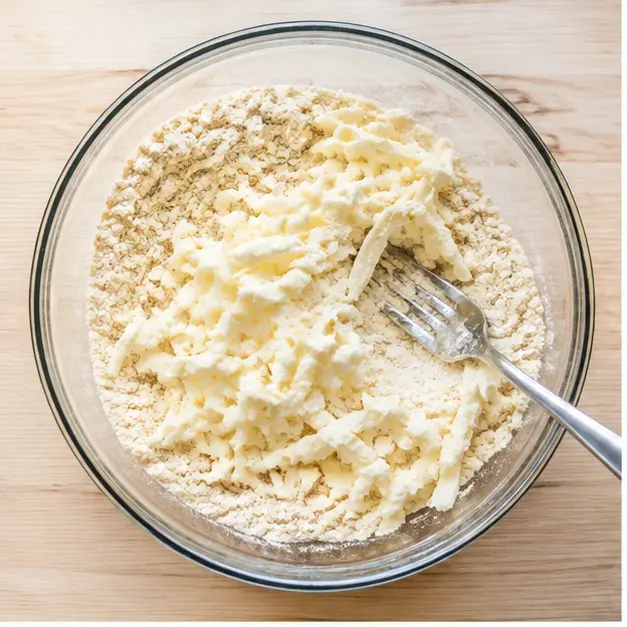
Whisk the almond flour, baking powder, Meyer lemon zest, and salt together in a medium bowl. When you add the grated frozen butter, toss it with a fork until every shred is coated in flour. That coating is what creates a tender crumb, because it keeps the butter separate from the wet ingredients until the heat of the oven does its thing.
A pastry cutter works here too, but honestly a fork does the job just fine. The goal is simple: coat those butter shreds, keep them cold, and don’t fuss over them.
Fold in Blueberries and Shape the Dough
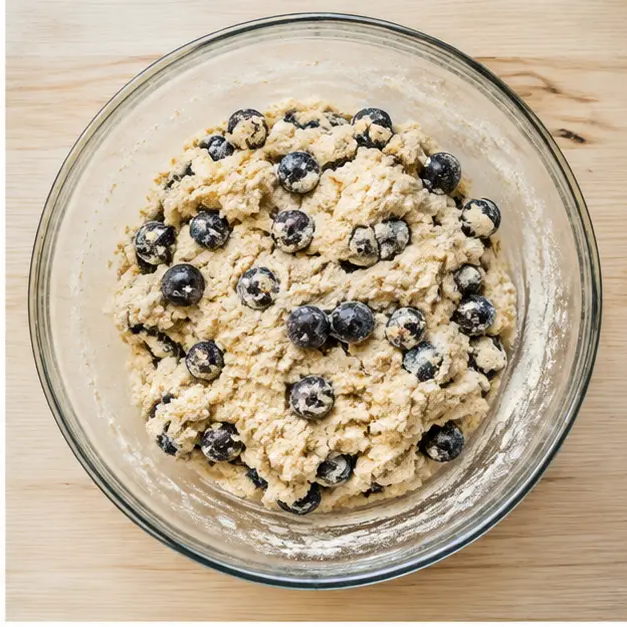
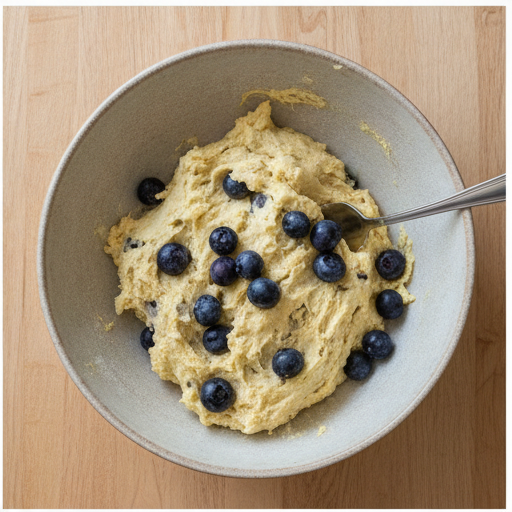
Add the Greek yogurt, honey, beaten egg, and vanilla. Stir just until a soft dough forms. If it looks shaggy and ragged, that is correct, so don’t panic. Nervous home bakers overmix the moment they think smooth is right. Stop while it’s still a little rough.
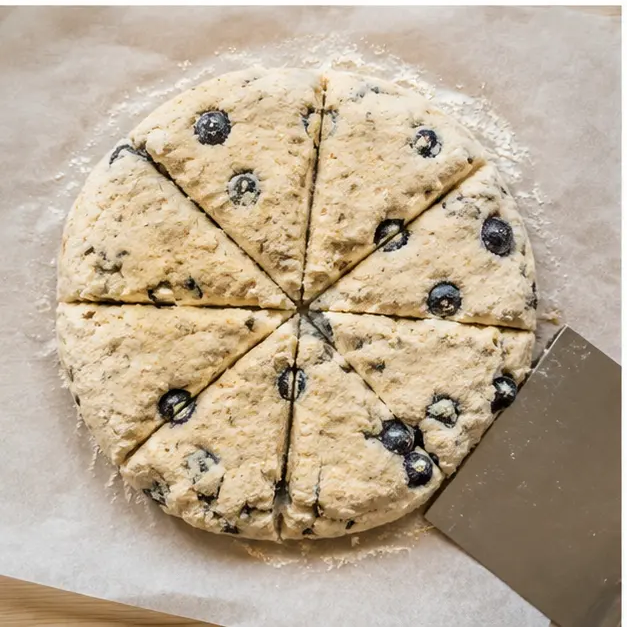
wedges with one clean, confident cut. No sawing back and forth a single downward motion keeps the edges tidy and helps each wedge bake evenly. Slide the bench scraper or knife under the disk first so nothing sticks to the parchment, then gently ease the wedges apart.Space them out on the baking sheet with about an inch of breathing room. Unlike cookies, these lemon blueberry scones don’t spread much. If you’ve got the extra 10 minutes and the self-control to wait, pop the baking sheet into the freezer while the oven preheats. Cold dough bakes up taller, and that chill time solidifies the butter again after all the handling. If you’re in a rush, skip it. The scones will still be lovely, just slightly less dramatic.
Bake Until Golden at the Edges
Bake at 375°F for 16 to 18 minutes, until the edges are deep golden brown and the centers feel just set. Almond flour scones brown fast on the bottom while the tops stay pale, so if you’re unsure, peek at one from underneath. The whole kitchen should smell like toasted nuts and lemon before you pull them out.
Here’s the part I can’t say loudly enough: let them rest on the baking sheet for at least 5 minutes. Almond flour scones are fragile when they’re hot, like shortbread that hasn’t decided to firm up yet. Move them too soon and they’ll crumble into a tragic pile on your counter. Give them those few minutes, and they’ll hold together perfectly. So many “why did my gluten-free scones fall apart” moments trace back to this exact step.
Glaze While They’re Still Warm
While the oven works its magic, whisk together the lemon glaze. The full amounts are in the recipe card below, but the short version is: powdered sugar, fresh Meyer lemon juice, and a tiny splash of vanilla. Keep adding lemon juice by the teaspoon until it’s thick but still pourable think maple syrup, not frosting.
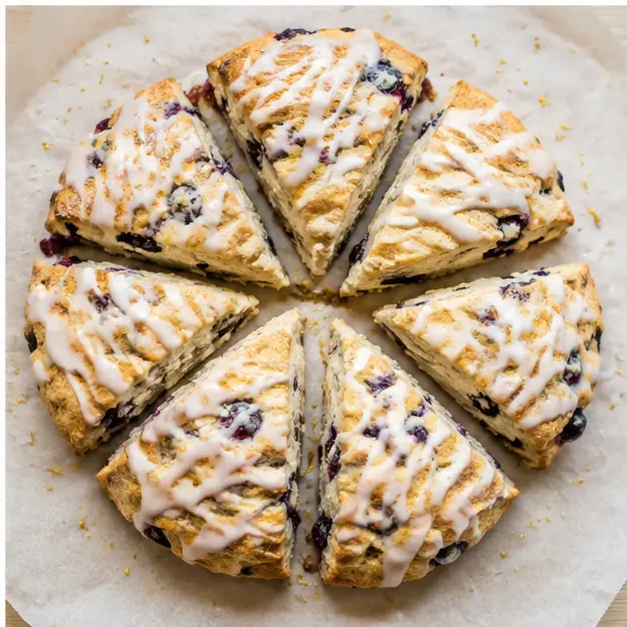
Drizzle the glaze over the still-warm lemon blueberry scones with a spoon, letting it run down the craggy edges and pool into the cracks. The warmth helps the glaze set into a thin, crackly shell instead of sitting on top like a puddle. If you want an extra-fancy bakery look, sprinkle a little more lemon zest over the glazed scones while the glaze is still wet.
My Best Tips for Lemon Blueberry Scones That Work Every Time
I’ve made these scones enough times to learn every little quirk. These are the tips that genuinely matter, and most of them are things I learned by messing up first.
- Spoon and level your almond flour. Scooping packs it down hard, and too much flour is the number one reason scones turn out dry and crumbly. Fluff the flour in the bag first, spoon it into the cup, and level it with a knife.
- Keep the butter frozen until the last second. Grate it while it’s cold, then toss the shreds back into the freezer for at least 10 to 15 minutes. The grated edges melt faster in the oven, creating steam pockets that give you those tender, flaky layers.
- Rub the lemon zest into the almond flour. I know it sounds fussy, but rubbing the Meyer lemon zest into the flour with your fingertips for 30 seconds releases the citrus oils and makes the lemon flavor noticeably brighter. It’s the same trick pastry chefs use with sugar.
- Stop mixing while the dough still looks shaggy. That rough, ragged texture is exactly what you want. Overmixing makes scones dense, and with almond flour it can also make them greasy.
- Treat blueberries like glass marbles. Gently fold them in, and stop the moment they’re distributed. Bruised or wet berries bleed purple streaks into the dough and add too much moisture, which makes everything sticky and sad.
- Dust the parchment, not the dough. If the dough is sticky, it needs less handling, not more flour. Extra flour just dries out the scones.
If you take exactly one tip from this whole list, make it the spoon-and-level one. Dry scones are the most common heartbreak in home baking, and almost every time, it’s a measuring problem disguised as a recipe problem.
Substitutions and Variations Worth Trying
This lemon blueberry scone recipe is forgiving, but some swaps work better than others. Here’s what I know from testing:
- Fresh vs. frozen blueberries: Frozen berries work beautifully if you keep them frozen and toss them straight into the dry ingredients. Don’t thaw them first. Thawed berries dump their juice into the dough and turn it purple. Add 2 to 3 minutes to the bake time if you go frozen.
- No Greek yogurt? Use plain full-fat yogurt, sour cream, or crème fraîche. Each one brings the same tangy moisture and a slightly different richness. Just avoid non-fat versions; they make the crumb drier.
- Swap the honey: Maple syrup works in the same amount, or use 2 tablespoons of granulated sugar and add a splash of extra yogurt to keep the dough moist.
- Other citrus: Lime or orange zest and juice swap in 1:1. Orange-lemon blueberry is honestly a dream combo, and lime gives the whole thing a brighter, more tropical edge.
- Other berries: Raspberries work great but are even more fragile than blueberries, so fold very gently. Strawberries need to be chopped small, and pat them dry after chopping so they don’t waterlog the dough.
- Skip the glaze: Totally fine. Brush the tops with beaten egg and sprinkle with coarse sugar before baking, and you’ll get that crunchy, sparkling top without any glaze.
Storage and Serving Suggestions
Here’s how to store these lemon blueberry scones so they stay as good as they were on day one:
- At room temperature: Keep them in an airtight container for up to 1 day. After that, move them to the fridge, if they survive that long.
- In the fridge: Up to 3 more days in an airtight container. The glaze might lose its crackle, which I’ve decided is just a personality change.
- In the freezer: Freeze unglazed, cooled scones in a freezer-safe bag for up to 3 months. Label the bag, or you’ll find yourself staring at mysterious scones in January wondering if they’re from Thanksgiving.
To reheat: Microwave for about 20 seconds if you want soft and warm, or pop them in a 325°F oven for 5 to 10 minutes, tented with foil, to bring back the crisp edges without drying them out.
To serve: These are glorious with a smear of lemon curd, a spoonful of jam, or a dollop of clotted cream. They also happen to be the ideal picnic food they travel well, they don’t require utensils, and they pair beautifully with a thermos of strong coffee.
Make-Ahead and Freezer Strategy
If you want Saturday-morning scones without Saturday-morning effort, form the dough, cut the wedges, and place them on the parchment-lined baking sheet. Cover the whole thing in plastic wrap and refrigerate overnight. In the morning, bake them straight from the fridge, adding a couple of minutes to the bake time.
For longer make-ahead, freeze the unbaked wedges on a parchment-lined tray until solid, then transfer them to a freezer bag. Bake straight from frozen at 375°F and add 3 to 5 minutes. This is my secret weapon for having fresh scones when houseguests are visiting. Nobody needs to know they were ready weeks in advance.
Troubleshooting: Fixing Common Scone Problems
Every baker hits a scone snag eventually. Here’s how to bounce back:
- Dough too dry and crumbly? Add Greek yogurt one teaspoon at a time until it comes together. The dough should feel soft, not wet.
- Dough too sticky? Chill it for 15 minutes before shaping, and dust the parchment lightly with almond flour. Don’t knead extra flour into the dough.
- Scones spread into flat discs? Your butter got too warm, or your oven wasn’t hot enough. Stick with the cold-butter method and let the oven fully preheat before sliding in the sheet.
- Purple streaks everywhere? Your blueberries were damp, or you folded too enthusiastically. Pat berries dry and handle them with love.
- Underside browning too fast? That’s an almond flour quirk. Use a lighter-colored baking sheet, line with parchment, and if needed, place a second sheet underneath to insulate.
Frequently Asked Questions
Can I use frozen blueberries without thawing?
Yes, and I actually recommend it. Toss them into the dry ingredients while still frozen, and add a few extra minutes to the bake time. This is the easiest way to avoid purple dough, because frozen berries hold their shape better than fresh ones that have been sitting around.
Why are my scones dry?
Nine times out of ten, it’s overpacked almond flour or an over-hot oven. Spoon and level the flour, and pull the scones when the edges are golden, not when the whole top looks done. The 5-minute rest on the baking sheet also helps them retain moisture.
Can I use regular all-purpose flour instead of almond flour?
You can, but expect a different scone. Swap in the same volume of all-purpose flour and add about 2 tablespoons of cold heavy cream or milk, since AP flour absorbs more liquid. The texture becomes more classic scone flakier and less shortbread-like. If you want the tender, gluten-free version, stick with almond flour.
How do I keep blueberries from sinking?
In scones, sinking is less of an issue than bleeding. To minimize both, pat the berries completely dry and toss them in a teaspoon of almond flour before folding them in. That light coating helps them suspend in the dough.
Can I make these scones dairy-free?
Yes. Use a thick dairy-free yogurt in place of Greek yogurt and a vegan butter block, grated and kept frozen like the regular butter. The texture will be slightly less tender, but the lemon and blueberry flavors still shine.

Expert Notes & Data Insights
Time for the nerd stuff, because knowing why a recipe works makes you a better baker and honestly, it makes the scones taste better too.
The cold-butter science. When frozen grated butter hits a hot oven, the water in it turns to steam and pushes upward through the dough, creating those little pockets and flaky layers. Cold butter also melts slower than the surrounding batter, which means the structure sets around the melting fat instead of absorbing it. That’s why “keep the butter cold” isn’t just baking superstition it’s physics.
Why almond flour behaves differently. Unlike wheat flour, almond flour has zero gluten, which means there’s no gluten network to develop and no toughness to worry about. That’s the good news. The trade-off is that almond flour is mostly fat and finely ground nuts, so the structure comes from eggs and yogurt instead. That’s also why these scones are delicate when warm and firm up after resting. The cooling time genuinely changes the structure.
The data point I actually use: Scones are done when the internal temperature hits 200°F to 210°F in the center. The tops will still look pale and the center might look slightly underdone that’s fine. I use an instant-read thermometer when I’m unsure, and it has never let me down.
On blueberries and moisture: Blueberries are roughly 85% water. That’s what makes them burst into jammy pockets, but it’s also exactly what turns your dough purple and sticky when they release early. Keeping them dry and folding gently is your moisture insurance policy.
For the number-crunchers: Split into 8 scones, each one lands in the neighborhood of 300 to 350 calories with the glaze, with a solid boost of healthy fats and protein from the almond flour. The exact numbers depend on how generous you are with the berries and the glaze, which I fully support being.
And if you take only one thing from this entire article, let it be this: spoon and level your almond flour, keep that butter frozen, and give the scones their 5-minute rest. The lemon, the blueberries, the glaze they’re all along for the ride. But those three small habits are the difference between a good scone and the one people stop talking mid-bite to ask about.
Now go preheat that oven. These lemon blueberry scones are waiting, and they’re worth every minute.