
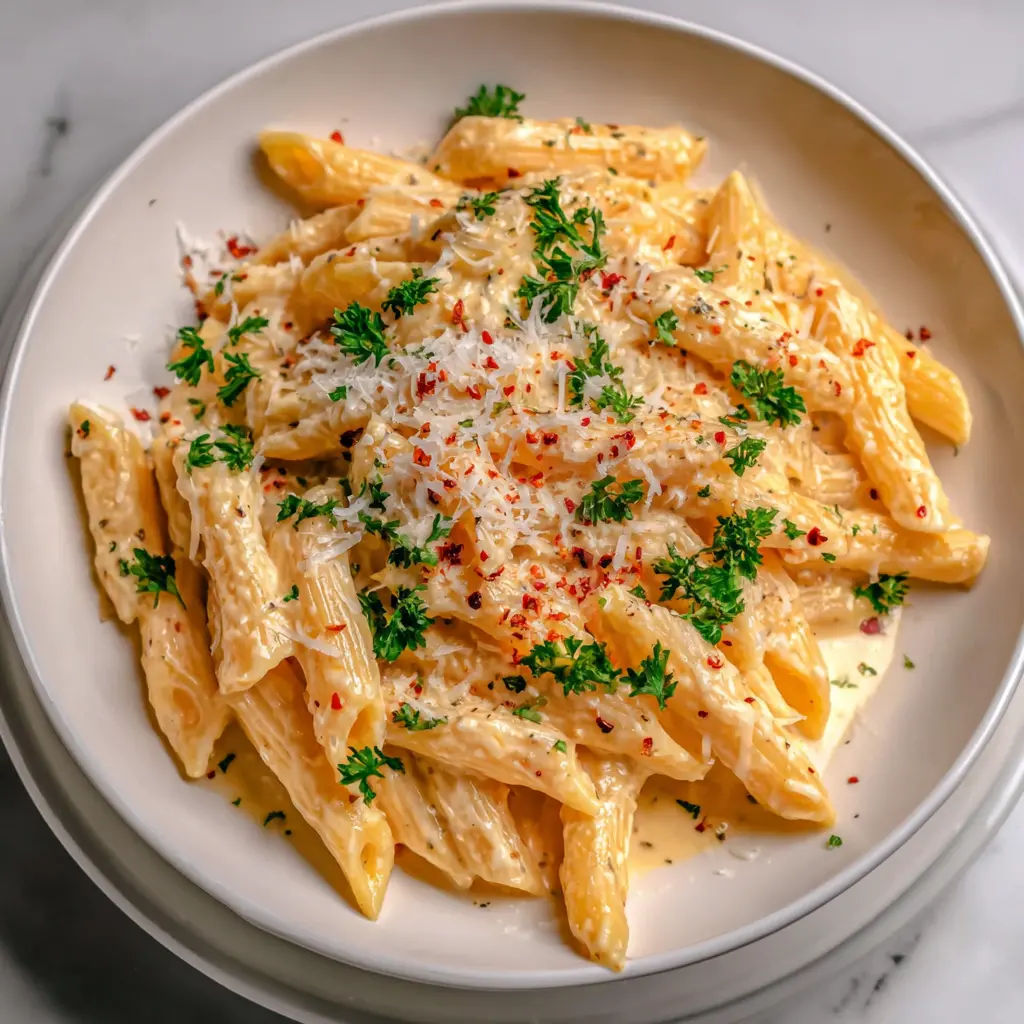
Why You’ll Love This One Pot Creamy Garlic Pasta
You know those evenings when the kids are hangry, you haven’t even thought about what’s for dinner, and you’re one step away from ordering pizza? This recipe saved my sanity. Seriously. I’m talking about one pot pasta recipes that actually deliver on flavor without the mountain of dishes.
This creamy garlic pasta cooks in one single pot. No draining. No colander. No extra saucepan for the sauce. Just one pot, 20 minutes, and dinner’s done. The first time I tried this method, I was skeptical. Pasta cooked in milk? Wouldn’t it get mushy or burn? But nope. The starch from the pasta thickens everything into this silky, garlicky sauce that coats every piece perfectly.
And the cleanup? It’s literally one pot and one spoon. That’s it. No more staring at a sink full of pans after a long day. This is the kind of easy pasta dinner that makes you feel like you’ve got your life together, even when you definitely don’t.
Plus, it’s super forgiving. The first time I made this, I used too much water and it was soupy. Here’s how to avoid that, and all the other little tricks I’ve learned along the way.
What Is One Pot Pasta?
If you haven’t tried the one pot pasta cooking method yet, you’re in for a treat. Instead of boiling pasta in a huge pot of water, draining it, then making sauce separately, you cook everything together in one pot. The pasta absorbs the liquid as it cooks, releasing starch that naturally thickens the sauce.
It’s a minimal cleanup pasta technique that’s been a game-changer for busy home cooks. No extra colander to wash, no second pot for sauce, no stirring and draining. Just dump everything in and let it do its thing.
The concept is simple: use just enough liquid to cook the pasta, and let the starch do the work of creating a creamy sauce. This stovetop one pot pasta method works beautifully with short pasta shapes like penne, rotini, or fusilli, but you can use longer shapes too. Just keep an eye on the cooking time.
It’s the perfect weeknight pasta recipe for those nights when you need dinner fast and don’t want to spend 20 minutes cleaning up afterward. Honestly, it’s become my go-to for back to school dinner recipes when schedules get crazy.
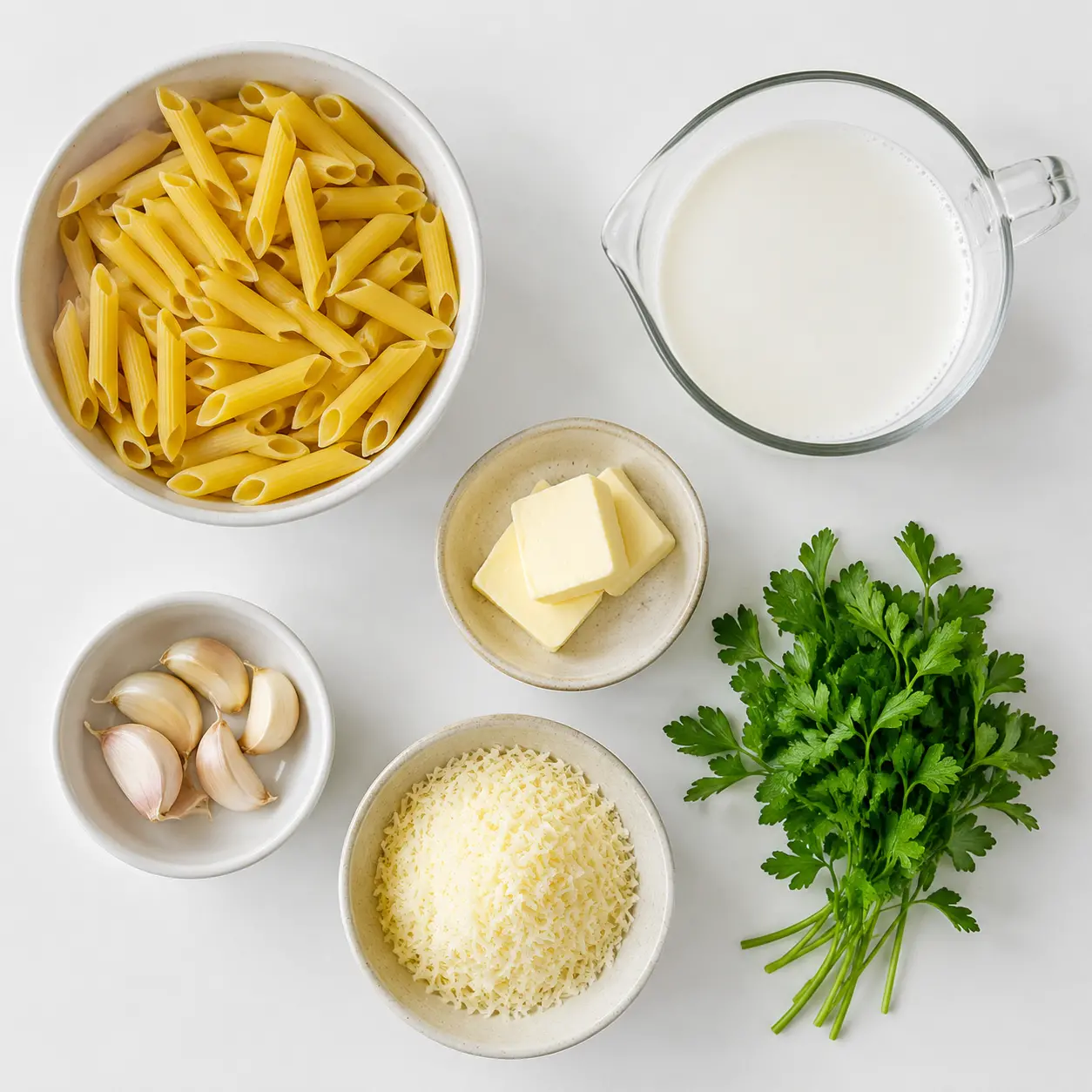
Ingredient Notes and Substitutions
Let’s talk about what goes into this one pot creamy pasta. The ingredient list is short, which is exactly what you want on a busy night. But a few notes can make or break this dish.
Pasta: I use dried pasta like fettuccine or penne. Short shapes work best because they cook evenly and the sauce clings to every nook and cranny. For healthy one pot pasta, you can use whole wheat pasta, just add a splash more liquid and cook a minute or two longer.
Milk: Whole milk gives the creamiest result, but 2% works fine too. If you’re looking for one pot pasta without cream, this is it. The milk plus pasta starch creates a luscious sauce without any heavy cream. For a dairy-free version, use unsweetened oat milk or cashew milk.
Cheese: Freshly grated Parmesan is non-negotiable here. The pre-shredded stuff has anti-caking agents that make the sauce grainy and clumpy. Trust me on this. Grate it yourself and you’ll get a silky smooth sauce every time.
Garlic: Fresh garlic cloves, minced. Don’t use the jarred stuff if you can help it. The flavor is just different. And don’t overcook it in the butter stage, or it gets bitter.
Optional creaminess: A couple tablespoons of cream cheese or sour cream stirred in at the end takes this over the top. It’s totally optional, but if you want that extra luxurious texture, go for it.
For a one pot vegetable pasta, toss in some frozen peas or spinach at the end. For one pot pasta with chicken, add shredded rotisserie chicken when you stir in the cheese. Easy peasy.
Tips and Tricks for Perfect Creamy Sauce
After making this recipe about a dozen times, I’ve figured out what works and what doesn’t. Here are my best tips for nailing that creamy sauce every time.
Stir frequently. This is the most important tip. Set a timer and stir every couple of minutes. The pasta releases starch as it cooks, and if you don’t stir, it’ll stick to the bottom of the pot. I learned this the hard way when I walked away to fold laundry and came back to a stuck mess.
Don’t use too much liquid. The ratio here is key. Too much water and you’ll have soupy pasta. Too little and it’ll be dry. The recipe calls for 2 cups milk and 1 cup water, which is the sweet spot for 8 ounces of pasta. For one pot pasta no drain recipes, the liquid amount is critical.
Use the right pot. A large, wide pot or deep skillet works best. A tall narrow pot doesn’t allow enough evaporation, so the sauce stays thin. I use a 4-quart sauté pan with a wide surface area. The liquid reduces beautifully and the sauce thickens perfectly.
Grate your own cheese. I said it before but it bears repeating. Pre-shredded cheese has cellulose and other anti-caking agents that prevent it from melting smoothly. Freshly grated Parmesan melts into the sauce like a dream.
Don’t rush the simmer. Let it bubble gently, not furiously. High heat can cause the milk to scorch and the pasta to cook unevenly. A gentle simmer is your friend here.
Season at the end. The Parmesan adds salt, so taste before adding extra salt. Start with the 1/2 teaspoon and adjust from there.
How to Make One Pot Creamy Garlic Pasta
Alright, let’s get cooking. This quick pasta dinner under 30 minutes comes together in four simple stages. I’ll walk you through each one so you know exactly what to look for.
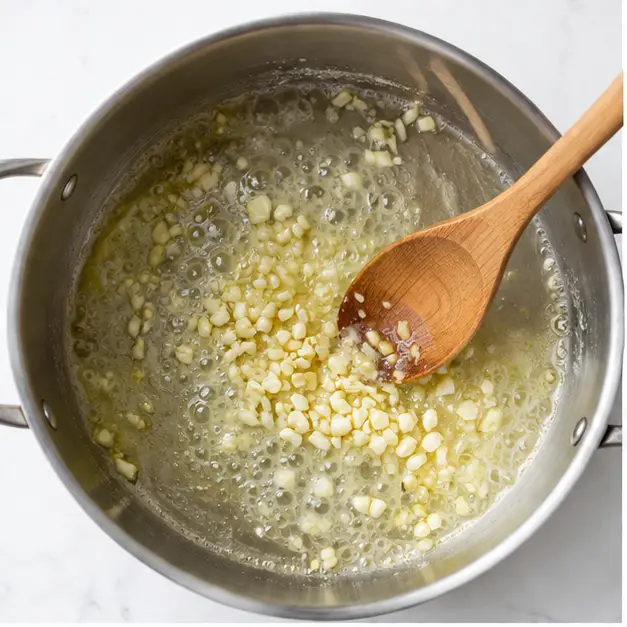
Stage 1: Sauté the garlic. Start by melting the butter or warming the olive oil in your pot over medium heat. Add the minced garlic and cook for 1 to 2 minutes, stirring often. You want it fragrant but not browned. The smell at this point is incredible. Garlic and butter filling up the kitchen in minutes.
Stage 2: Add the pasta and liquid. Pour in the dry pasta, milk, and water. Give it a good stir to combine everything. Bring it to a gentle boil. Don’t walk away yet, you need to stir it once it starts heating up to prevent the pasta from sticking to the bottom.
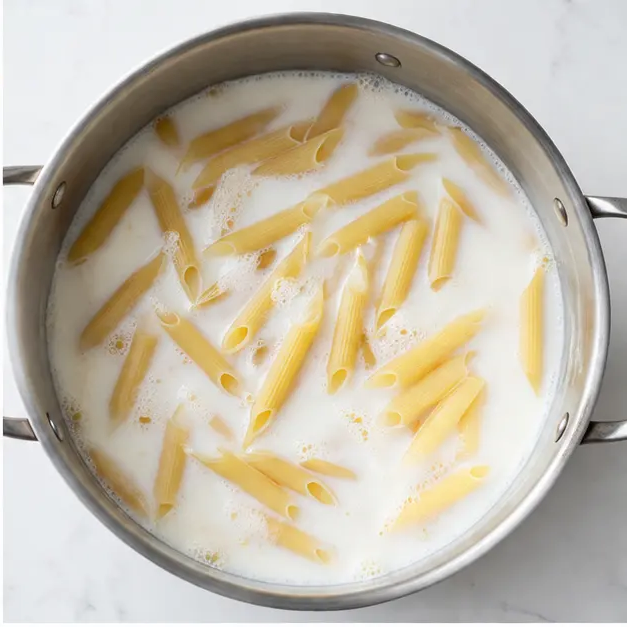
Stage 3: Simmer until al dente. Once it’s boiling, reduce the heat to a simmer. Cook uncovered, stirring frequently, for 8 to 10 minutes. You’ll see the liquid transform from thin and milky to thick and creamy as the pasta releases its starch. The pasta should be al dente, tender but with a slight bite. If it’s still too firm, add a splash more milk or water and cook another minute.
This is where the magic happens. The sauce will look thin at first, but don’t panic. Keep stirring and it’ll thicken up beautifully. For one pot pasta for beginners, this is the stage that feels most uncertain, but trust the process.
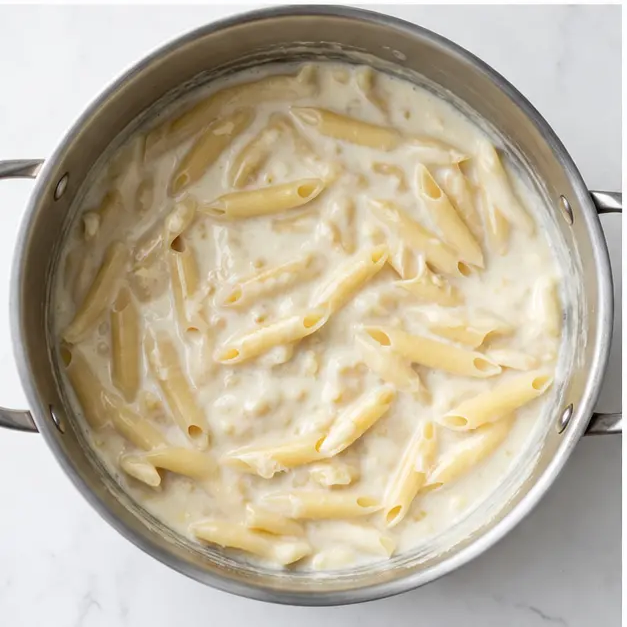
Stage 4: Finish with cheese and seasonings. When the pasta is al dente and most of the liquid has thickened into a creamy sauce, remove the pot from the heat. Stir in the Parmesan, salt, pepper, and Italian seasoning. The residual heat will melt the cheese into a smooth, luscious sauce. For extra creaminess, stir in the cream cheese or sour cream at this point.
Give it one last stir. The sauce should coat the pasta beautifully. If it seems too thick, add a splash of milk. If it’s too thin, let it sit off the heat for a minute, it’ll continue to thicken as it cools.
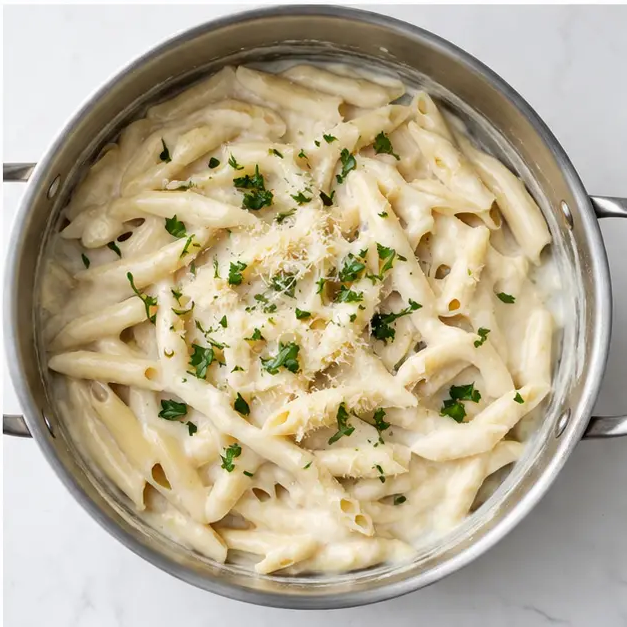
Garnish with fresh parsley or basil and serve immediately while it’s hot and creamy. The first bite is always the best. That garlicky, cheesy, silky goodness wrapped around every piece of pasta.
Common Mistakes and How to Fix Them
I’ve made pretty much every mistake possible with this recipe, so you don’t have to. Here’s what can go wrong and how to fix it.
❌ Pasta is too dry. You might have used too little liquid or cooked it too long. ✅ Fix: Add a splash of milk or water and stir. The pasta will absorb it and loosen up the sauce.
❌ Sauce is too thin and watery. This happens when you use too much liquid or a narrow pot that doesn’t allow evaporation. ✅ Fix: Let it simmer a few more minutes uncovered, stirring often, until it reduces. Or stir in a bit more Parmesan, which helps thicken it.
❌ Pasta stuck to the bottom of the pot. You didn’t stir enough, or the heat was too high. ✅ Fix: Scrape up what you can and stir well. Next time, stir every 2 minutes and keep the heat at a gentle simmer.
❌ Cheese clumped into a glob. You used pre-shredded cheese or added it when the pot was too hot. ✅ Fix: Remove the pot from the heat before adding cheese, and always use freshly grated Parmesan. If it clumps, whisk vigorously to break it up.
❌ Garlic tastes bitter. You cooked it too long or at too high heat. ✅ Fix: Cook garlic just until fragrant, about 1 to 2 minutes. Burnt garlic is bitter and there’s no fixing that, so start fresh if it happens.
Serving Suggestions
This easy one pot pasta dinner is pretty perfect on its own, but if you want to round it out, here are some ideas.
Serve it with a simple side salad. Arugula with lemon vinaigrette cuts through the richness beautifully. Or some steamed broccoli or green beans on the side. For a heartier meal, add rotisserie chicken or sautéed shrimp on top.
Garlic bread is always a winner. Toast some crusty bread with butter and garlic, and use it to soak up any extra sauce on your plate. Don’t judge, it’s the best part.
For a summer pasta recipe, stir in some fresh cherry tomatoes and basil at the end. The brightness of the tomatoes against the creamy sauce is divine. Or add some grilled zucchini and summer squash for extra veggies.
This also works great as a side dish for grilled chicken or fish. The creamy pasta pairs perfectly with something simple and protein-rich.
Storage and Reheating Tips
Leftovers of this one pot creamy pasta are a gift to your future self. Here’s how to store and reheat them so they taste just as good the next day.
Storage: Let the pasta cool completely, then transfer it to an airtight container. It’ll keep in the fridge for up to 3 days. The sauce will thicken as it sits, so don’t worry if it looks different when you pull it out.
Reheating: The key is to add moisture. The pasta absorbs liquid as it sits, so it’ll be drier when reheated. Add a splash of milk or water before reheating. You can use the microwave in 30-second bursts, stirring between each, or reheat gently on the stovetop over medium-low heat. Stir often and add more liquid as needed until it’s creamy again.
Can you freeze it? Honestly, I don’t recommend it. Cream-based sauces can separate and get grainy when frozen and thawed. The pasta texture also suffers. If you must freeze it, do so without the cheese and add fresh Parmesan when reheating. But fresh is always better with this one.
Meal prep tip: Make a double batch on Sunday and portion it out for lunches. Just store the sauce and pasta together, and add a splash of milk when reheating. It’s a lifesaver for busy work weeks.
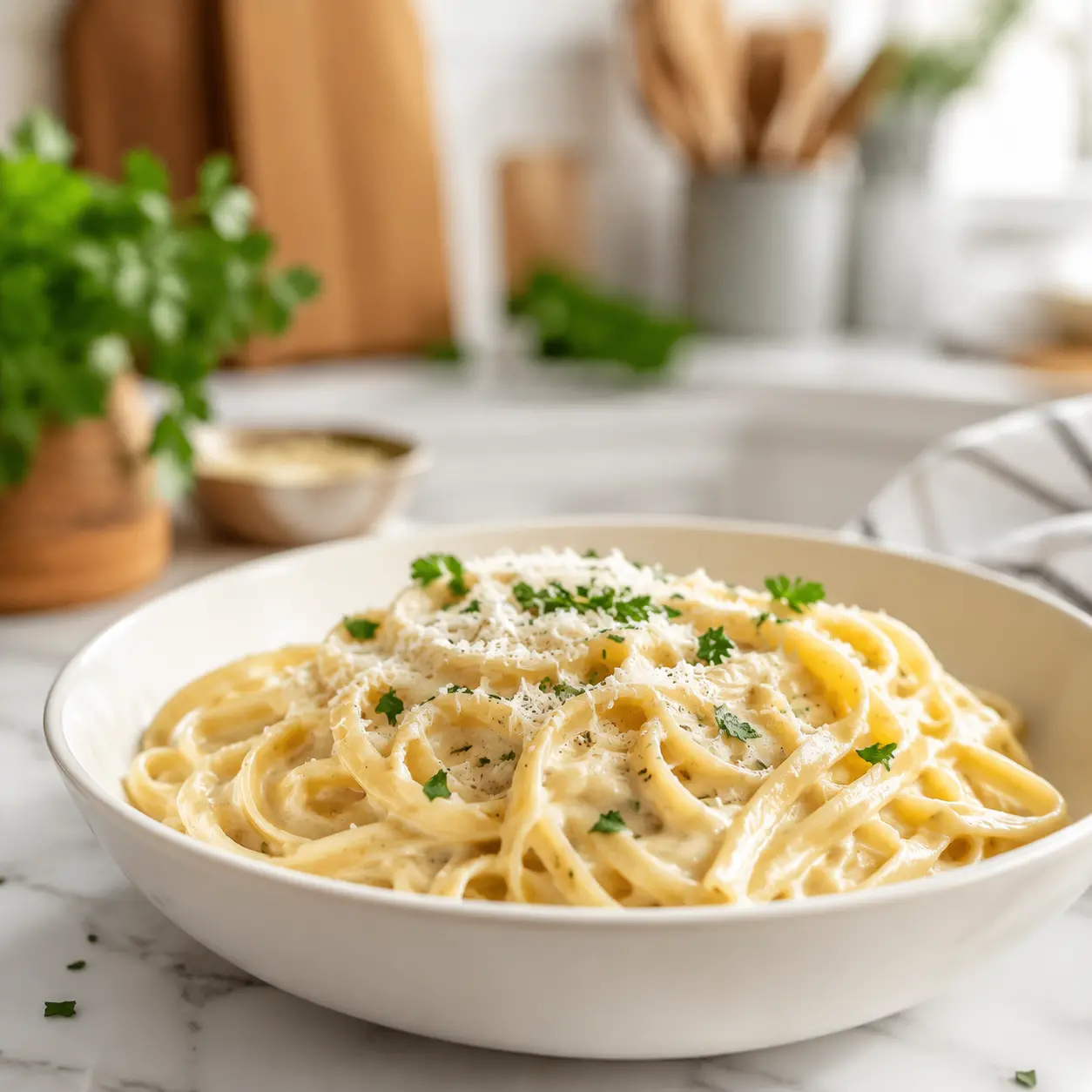
I hope you love this recipe as much as I do. It’s become a staple in my kitchen, especially on those chaotic weeknights when I need dinner on the table fast. Make this tonight and tell me how it went! I’d love to hear about your variations and successes. And if you’re looking for more inspiration, come follow along on Pinterest where I share all my favorite quick and easy recipes.
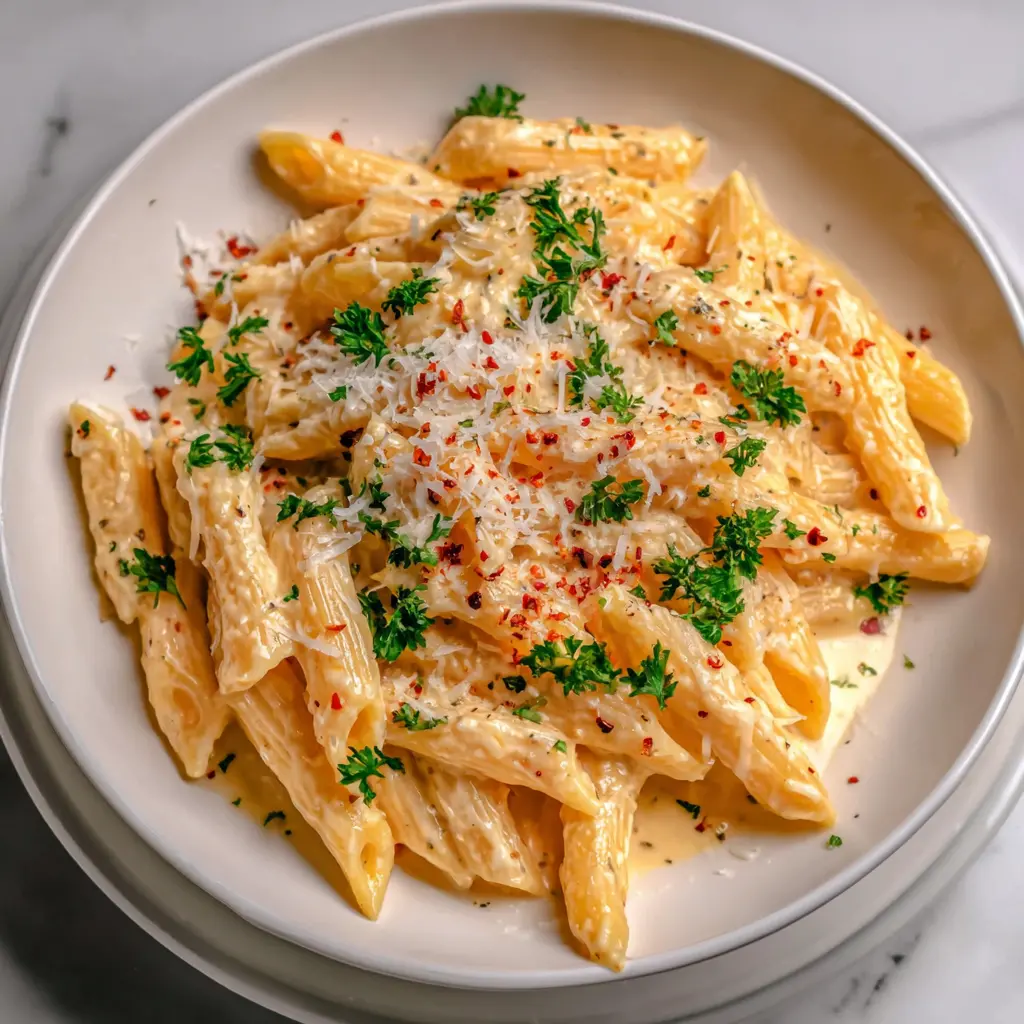
Quick and Creamy One Pot Pasta Recipes for Busy Weeknights
Ingredients
Method
- In a large pot or deep skillet, melt the butter or warm the olive oil over medium heat. Add the minced garlic and cook for 1 to 2 minutes, stirring often, until fragrant but not browned.
- Pour in the dry pasta, milk, and water. Stir everything together and bring to a gentle boil.
- Reduce the heat to a simmer and cook uncovered, stirring frequently, for 8 to 10 minutes, until the pasta is al dente and most of the liquid has thickened into a creamy sauce.
- Add the Parmesan, salt, pepper, and Italian seasoning. Stir until the cheese is melted and the sauce is smooth. For extra creaminess, stir in the cream cheese or sour cream.
- Garnish with fresh parsley or basil and serve immediately while hot.
Nutrition
Notes
Tried this recipe?
Let us know how it was!Frequently Asked Questions
Can I use a different pasta shape?
Absolutely. Short shapes like penne, rotini, fusilli, or farfalle work great. Long shapes like fettuccine or linguine work too, just adjust the cooking time as needed. The key is to stir frequently and check for doneness a minute or two before the package suggests.
What if my pasta looks too dry?
Add a splash of milk or water and stir well. The pasta will absorb the extra liquid and loosen up the sauce. If it’s still undercooked, add a bit more liquid and continue simmering until tender. Don’t add too much at once, just a tablespoon or two at a time.
Can I make this ahead of time?
You can, but it’s best served fresh. If you need to make it ahead, undercook the pasta by a minute so it doesn’t get mushy when reheated. Store in an airtight container in the fridge for up to 3 days. Add a splash of milk when reheating to restore the creamy texture.
Can I add meat or veggies?
Yes! Stir in cooked chicken, shrimp, or ground beef at the end. For veggies, add frozen peas, spinach, or steamed broccoli when you stir in the cheese. Fresh cherry tomatoes or sautéed mushrooms also work beautifully. Just keep the liquid ratio in mind if adding watery veggies.
Is it spicy?
Not at all. This recipe has no spicy ingredients. It’s a mild, creamy garlic pasta that’s perfect for kids and anyone who prefers gentle flavors. If you want heat, add a pinch of red pepper flakes when you sauté the garlic or sprinkle some on top before serving.
Can I make this gluten-free or vegan?
For gluten-free, use a rice and corn blend gluten-free pasta. Avoid quinoa or chickpea pastas as they turn mushy. For vegan, use plant-based milk, vegan Parmesan or nutritional yeast, and skip the butter for olive oil. The texture will be slightly different but still delicious.
Do I need to cook the pasta first?
Nope, that’s the beauty of this recipe. The pasta cooks right in the sauce. No separate boiling, no draining. Just add the dry pasta straight to the pot with the liquid and let it cook. It absorbs the flavors as it softens, making the sauce extra tasty.
Why is my cheese clumping?
Two likely reasons. First, you used pre-shredded cheese which has anti-caking agents that prevent smooth melting. Always grate fresh Parmesan. Second, you added the cheese when the pot was too hot. Remove from heat first, then stir in the cheese gently.
How can I store leftovers?
Let the pasta cool completely, then transfer to an airtight container. It keeps in the fridge for up to 3 days. The sauce will thicken as it sits. When reheating, add a splash of milk or water and stir well. Microwave in 30-second bursts or reheat gently on the stovetop.
Can I use gluten-free pasta?
Yes, but choose wisely. Rice and corn blend gluten-free pastas work best. Stay away from chickpea or quinoa-based ones as they tend to get mushy in this cooking method. You may need to adjust the liquid slightly and check for doneness a minute early.
What is the best pan to make one-pan pasta?
A large, wide pot or deep skillet works best. Look for something with a 4 to 5 quart capacity and a wide surface area. This allows for proper evaporation so the sauce thickens. A sauté pan with high sides is ideal. Avoid tall, narrow pots as they trap steam and make the sauce watery.