
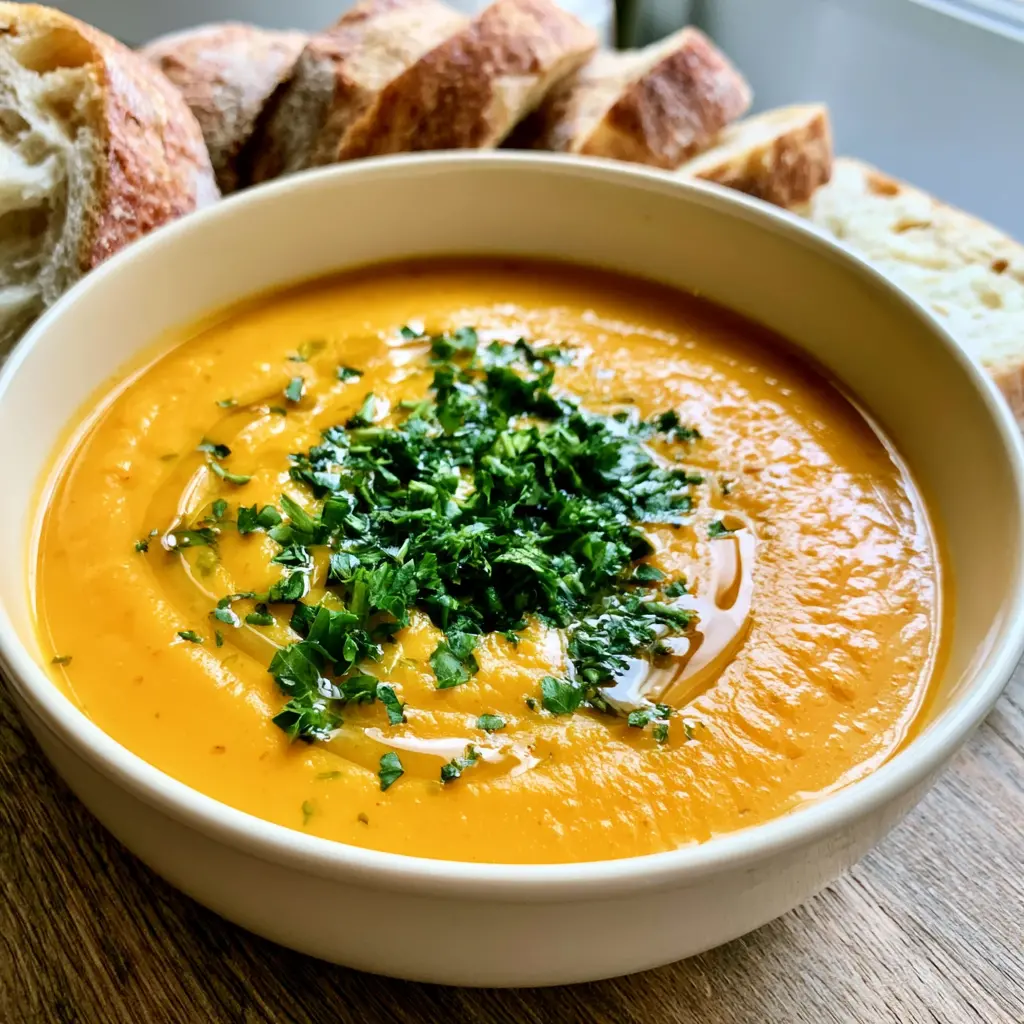
Roasted Butternut Squash Soup with Caramelized Apples
Ingredients
Method
- Preheat the oven to 400°F. Peel the butternut squash, remove the seeds, and cut the flesh into 1 inch cubes. Core and dice the apples into 1/2 inch pieces. Chop the onion and mince the garlic. On a rimmed baking sheet, toss the squash and apples with 1 1/2 tablespoons of the olive oil and a generous pinch of salt and pepper. Spread everything into a single layer.
- Roast on the top rack until the squash is fork-tender and the apples are browned around the edges, 25 to 30 minutes.
- While the vegetables roast, heat the remaining 1/2 tablespoon olive oil in a large pot over medium heat. Add the onion and cook, stirring occasionally, until it softens and turns translucent, about 5 minutes. Add the garlic, cumin, and ginger and cook for 1 minute more, stirring constantly, until very fragrant.
- Carefully add the roasted squash and apples to the pot along with any juices. Pour in the vegetable broth and stir to scrape up any browned bits from the bottom. Bring to a gentle simmer and cook for 10 to 15 minutes, letting the flavors meld.
- Remove the pot from the heat. Puree the soup with an immersion blender until smooth and creamy, or transfer it in batches to a blender and blend on low until silky. Thin with extra broth or water if desired. Taste and adjust the seasoning with more salt and pepper.
- Ladle the roasted butternut squash soup into warm bowls. Garnish each serving with chopped parsley and serve immediately with crusty bread.
Nutrition
Notes
Tried this recipe?
Let us know how it was!Why You’ll Love This Roasted Butternut Squash Soup
I know it’s August. I know it’s hot, and soup is probably the last thing on your mind. But make this roasted butternut squash soup anyway, here’s why.
Roasting changes everything. The squash and apples hit a hot oven, and their natural sugars caramelize into golden, sticky edges. The kitchen fills with this nutty, toasty aroma that honestly smells like a sweater and a bonfire. Then you simmer it all with cumin and ginger and blend it into pure silk.
This creamy roasted butternut squash soup is the kind of recipe that makes you look like you know exactly what you’re doing, even on a chaotic Tuesday. It’s rich without being heavy, naturally vegan thanks to the vegetable broth, and forgiving enough for total beginners. Plus it freezes like a dream, so you can stash a few portions now and thank yourself when October rolls around.
Think warm hug in a bowl. A bowl of roasted butternut squash soup you’ll crave all fall long.
Ingredients & Substitutions
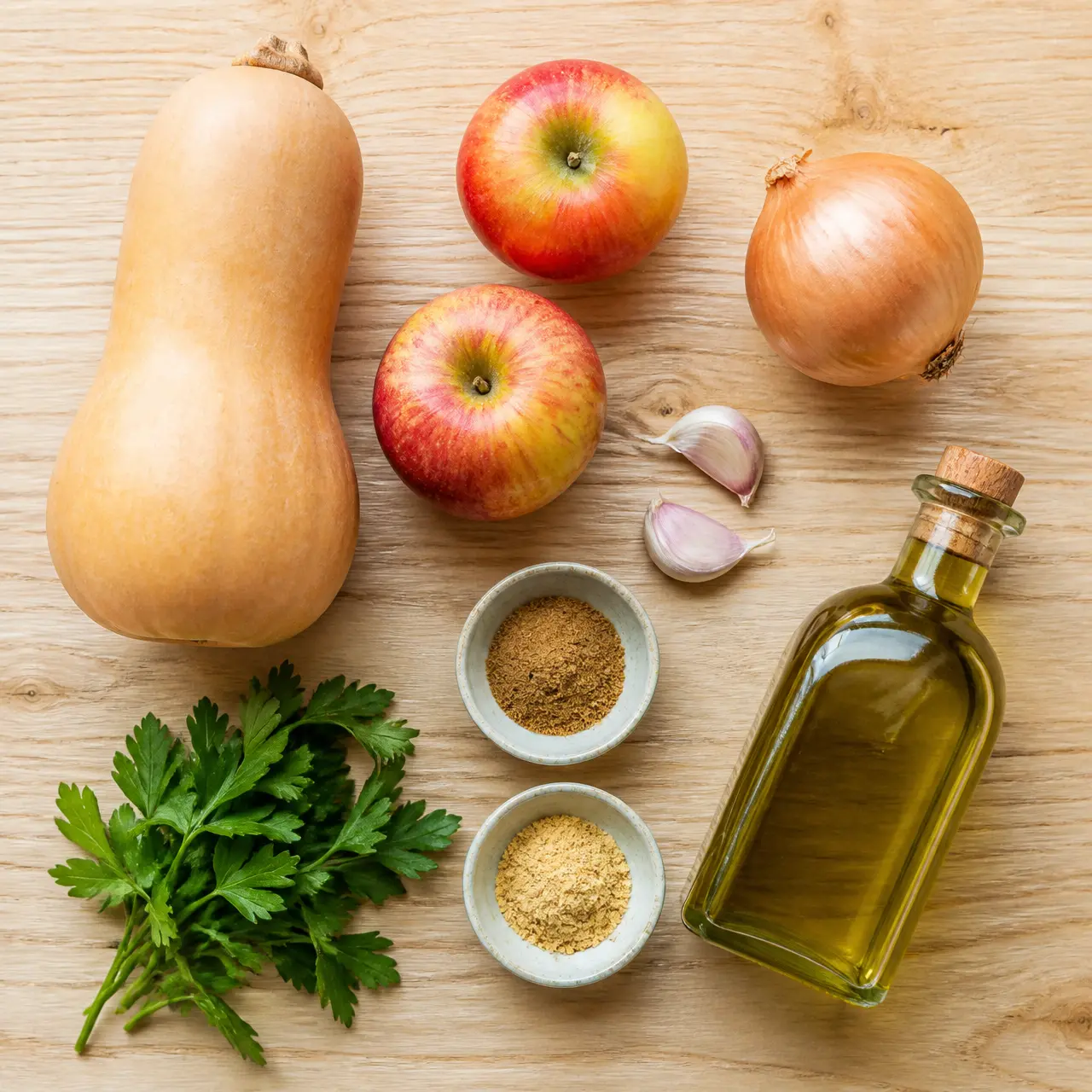
Every good roasted butternut squash soup starts with simple, honest ingredients. Here’s what you’ll need and why each one earns its spot.
- Butternut squash: one large, about 2 1/2 pounds. Pick one that feels heavy for its size, it’ll have denser, sweeter flesh.
- Apples: two medium, cored and diced. Honeycrisp or Fuji bring a sweet-tart balance that brightens the whole pot.
- Yellow onion and garlic: the savory backbone. They add depth so the soup doesn’t taste one-note sweet.
- Vegetable broth: four cups of good quality broth. This is your flavor base, so don’t skimp here.
- Olive oil: divided between roasting and sautéing. It carries the flavors and helps everything caramelize.
- Cumin and ginger: warm, aromatic spices that give this soup its cozy signature character.
- Fresh parsley: a bright, green finish that cuts through the richness beautifully.
Want to experiment? The recipe notes give you plenty of room. Swap the apples for ripe pears for a softer sweetness, stir a pinch of cinnamon or nutmeg into the garlic for extra fall flavor, or finish each bowl with a swirl of heavy cream, plain yogurt, or coconut milk for a richer, dairy-free soup. All optional, all lovely.
How to Make Roasted Butternut Squash Soup
Here’s the thing about this soup, it follows a simple rhythm: roast, sauté, simmer, blend. Each step builds flavor, and once you understand the why behind each one, you’ll nail it every single time.
Stage 1: Roast the Squash and Apples
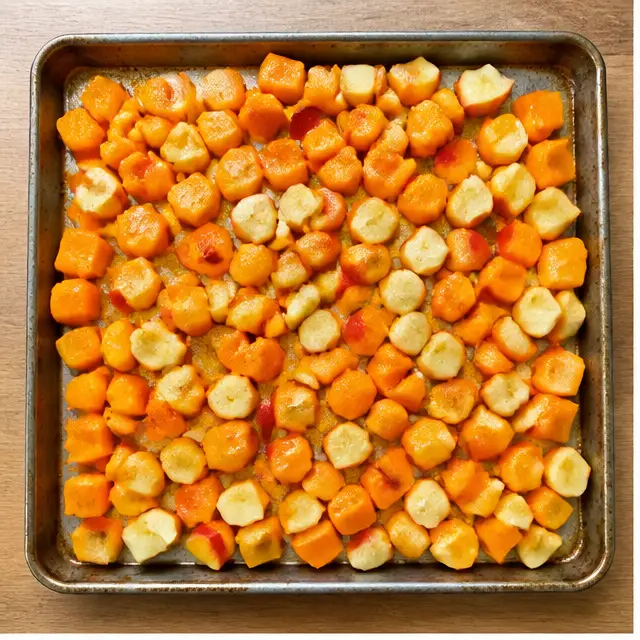
Peel the squash, scoop out the seeds, and cut the flesh into 1-inch cubes. Core and dice the apples into smaller 1/2-inch pieces so they cook at the same pace. Toss everything on a rimmed baking sheet with olive oil, salt, and pepper, then roast at 400°F on the top rack until fork-tender and browned at the edges, about 25 to 30 minutes.
Don’t Skip the Roast
Seriously, don’t. Caramelization is where the flavor party happens. When the squash edges turn deep golden, the natural sugars transform into something rich, nutty, and almost buttery. Skip this step and you’ll get a pale, watery soup that tastes more like disappointment than comfort.
Stage 2: Sauté the Aromatics
While the squash roasts, warm the remaining olive oil in a large pot over medium heat. Cook the chopped onion until it softens and turns translucent, about 5 minutes. Then add the garlic, cumin, and ginger and cook for just 1 minute more, stirring constantly, until the whole kitchen smells incredible.
That brief minute matters more than you’d think. It blooms the spices, waking up their essential oils so they flavor every sip rather than sitting flat on top.
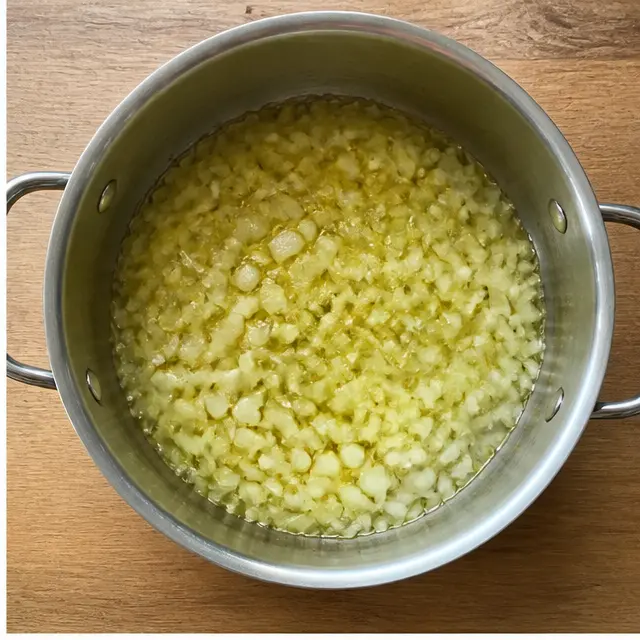
Stage 3: Simmer Everything Together
Add the roasted squash and apples to the pot along with any juices from the pan. Pour in the vegetable broth and stir, scraping up those browned bits stuck to the bottom. That’s pure roasted flavor you don’t want to waste. Bring everything to a gentle simmer and let it cook for 10 to 15 minutes so the flavors can get acquainted.
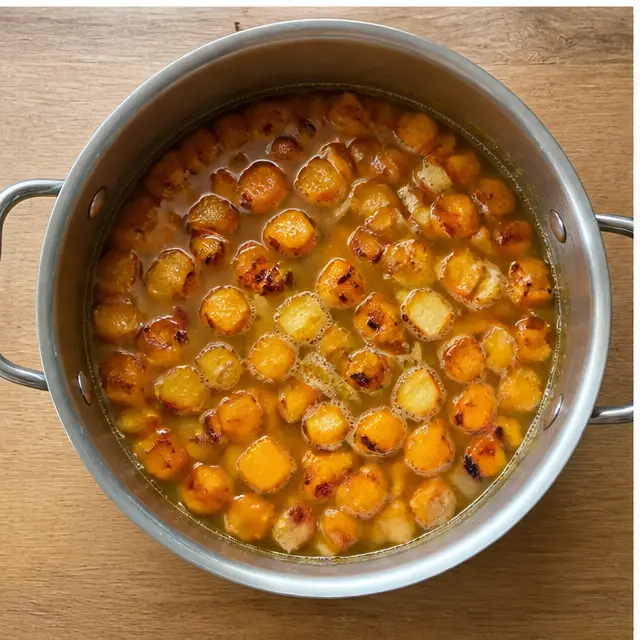
Stage 4: Blend Until Silky
Pull the pot off the heat and grab your immersion blender. Puree until the soup is smooth and creamy, which takes a minute or two. No immersion blender? No problem, transfer it in batches to a standing blender and blend on low until silky. Taste, adjust the salt and pepper, then ladle into warm bowls with a shower of fresh parsley.
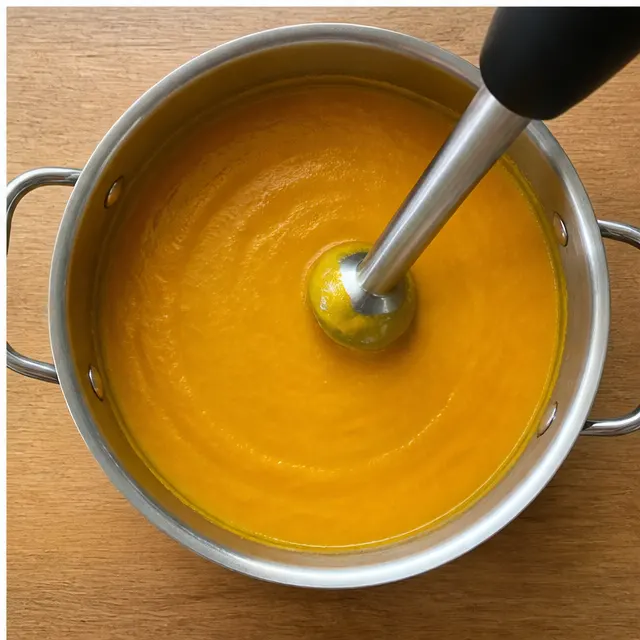
How to Blend Butternut Squash Soup Safely
Let me tell you about my first soup disaster. I filled a standing blender to the brim with hot soup, sealed the lid tight, and hit puree. The pressure built up, the lid popped, and I spent the next hour wiping butternut squash off my ceiling. Not my finest moment.
Learn from my mistake. Here are the rules:
- Immersion blender: the easiest and safest option. You blend right in the pot with zero transferring of hot liquid.
- Standing blender: blend in batches, never filling more than halfway. Remove the center cap from the lid so steam can escape, and hold a kitchen towel over the opening while blending on low.
- High-powered blender: if yours has a soup setting, you can blend the hot soup right in the container.
Whichever method you choose, keep the soup below the blender’s max fill line. Hot liquid expands and splatters, and nobody wants second-degree burns with their dinner.
Recipe Tips for the Best Soup
After making this roasted butternut squash soup more times than I can count, I’ve picked up a few things worth passing along.
Get real color on the squash. Deep golden edges mean deep flavor. If your roasted butternut squash looks pale and steamed, it wasn’t in the oven long enough. Don’t be afraid of browning, that’s caramelization doing its magic.
Season in layers. Salt the squash before roasting, season the onions while they cook, and adjust again at the end. This builds a complexity that a single seasoning at the end can’t match.
Mind the spice ratio. I love cumin and ginger, but balance is everything. One teaspoon of each keeps things warm and aromatic without overpowering the sweet squash and apples. A pinch of nutmeg is lovely here too, but too much makes it taste like a candle.
Common mistakes to avoid:
- ❌ Overfilling a standing blender with hot soup → ✅ Blend in small batches with the lid vented and a towel on top.
- ❌ Skipping the roast entirely → ✅ Roast until caramelized for maximum flavor.
- ❌ Watery, bland results → ✅ Simmer longer to concentrate, and season at every single step.
- ❌ Burnt squash → ✅ Cut cubes evenly so everything cooks at the same rate.
Storage, Serving, and Reheating
This is where roasted butternut squash soup really shines, it’s a meal prep hero. The soup keeps beautifully in the fridge for up to 4 days in a sealed container, and honestly, it tastes even better the next day once the flavors settle.
For longer storage, freeze cooled soup in individual portions for up to 3 months. Silicone molds or freezer-safe containers work great for single servings. Just thaw overnight in the fridge before reheating.
Reheating tips:
- Reheat gently on the stovetop over medium heat, stirring occasionally.
- Add a splash of broth or water to loosen the texture if it thickened in the fridge.
- Microwave works fine in a pinch, use 60 to 90 second intervals and stir between.
- Always let the soup cool to room temperature before refrigerating to protect the texture.
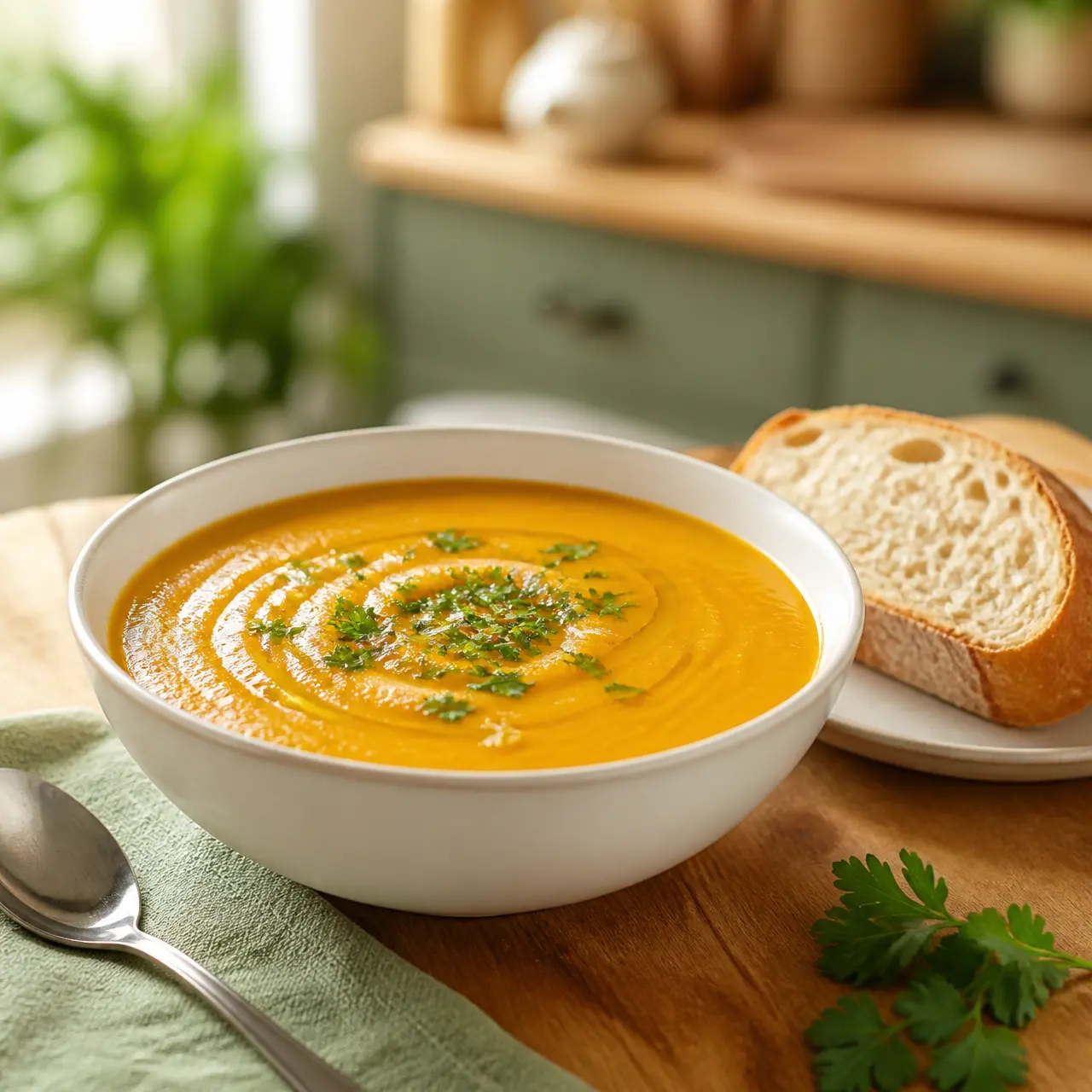
Serve this roasted butternut squash soup with crusty bread for dipping, or pair it with a crisp salad for a full meal. A drizzle of olive oil and extra chopped parsley on top adds a fresh finish. For Thanksgiving, ladle it into small mugs or teacups as a cozy starter, guests will be seriously impressed.
Frequently Asked Questions
More Roasted Butternut Squash Soup Ideas
Once you master the base recipe, the possibilities are endless. This roasted butternut squash soup is a blank canvas that loves a little personality.
- Vegan and dairy-free: it already is, thanks to the vegetable broth and olive oil. Swirl in coconut milk for extra creaminess if you like.
- Richer version: finish with a swirl of heavy cream or plain yogurt for a more indulgent bowl.
- Smoky twist: add a pinch of chipotle powder and a squeeze of lime for a smoky, tangy kick.
- Indian-spiced: stir in a little garam masala and lemon juice at the end.
- Crunch factor: top with toasted pepitas or pumpkin seeds for texture.
I’m always sharing new fall soup recipes and seasonal twists over on my Pinterest board, come say hi and grab some inspiration for your autumn menu.
Whether you make this for a cozy weeknight dinner or batch it for the freezer, this roasted butternut squash soup is the recipe you’ll turn to all season long. Trust me, your future self, shivering in October, will be very grateful.
Source: Learn More About This Dish
What ingredients are in roasted butternut squash soup?
This version uses butternut squash, apples, yellow onion, garlic, vegetable broth, olive oil, ground cumin, ground ginger, salt, pepper, and fresh parsley. That’s it. Simple kitchen staples that come together into something surprisingly elegant and deeply comforting.
Do you need to peel butternut squash before roasting it?
Yes, for this recipe you’ll want to peel it first. The skin gets tough when cooked and would leave stringy bits in your soup. Use a sharp vegetable peeler, then cube the flesh into even 1-inch pieces so they roast evenly at 400°F.
Can you make butternut squash soup ahead of time?
Absolutely. It keeps in the fridge for up to 4 days and freezes for up to 3 months in individual portions. Cool it completely before storing, then reheat gently on the stove with a small splash of broth to bring back that silky texture.
What’s the easiest way to puree soup?
An immersion blender is the winner. You blend right in the pot with zero transferring and minimal cleanup. If you only have a standing blender, work in batches, never fill it past halfway, vent the lid, and hold a towel over the opening.