
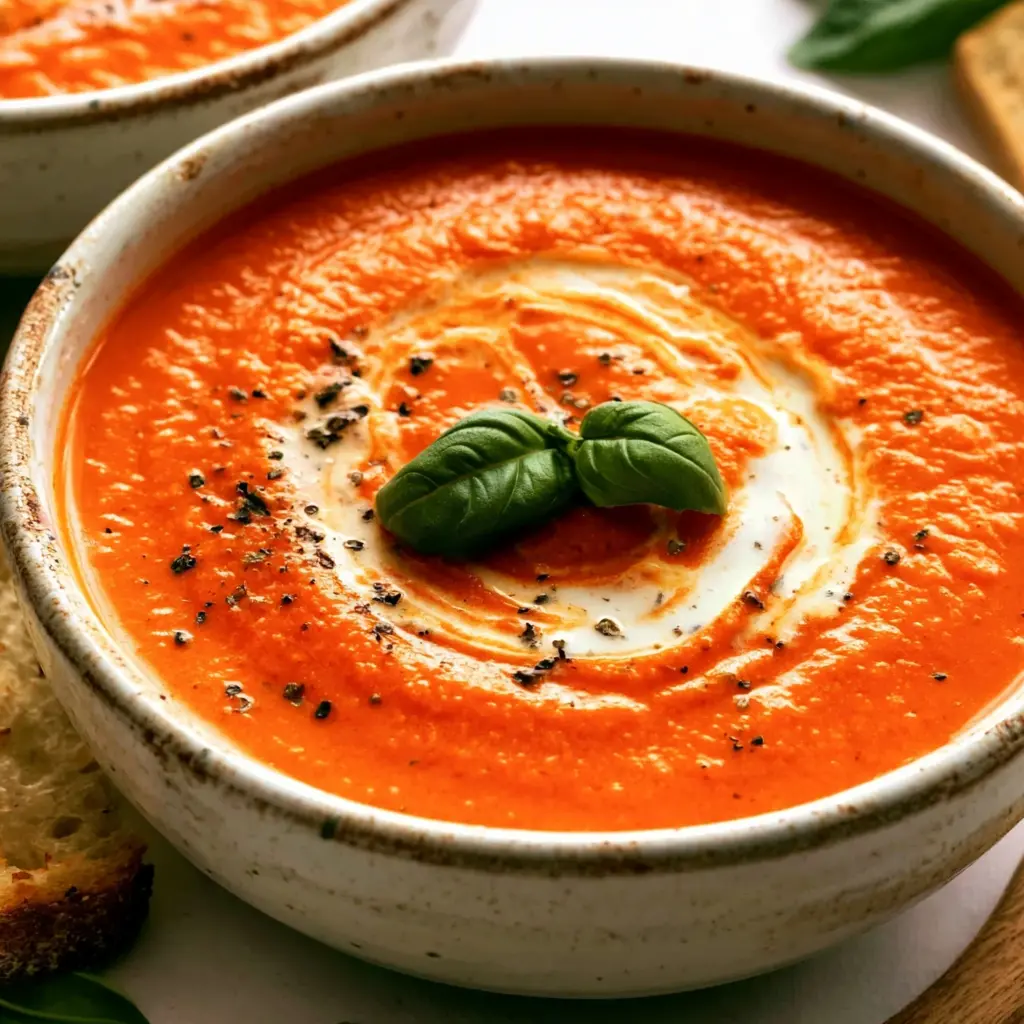
Why This Recipe Works
It happens every August. The countertops turn into a tomato avalanche. The farmers market bags spill over with ugly-but-gorgeous heirlooms, and your garden is producing faster than you can possibly eat. You’re one bad tomato away from food waste guilt. This roasted tomato basil soup is the answer. I’m serious. It’s the recipe I make to lock in summer before it vanishes. And honestly, it might be the best thing I make all season.
Here’s the thing about roasting. You’re not just cooking tomatoes, you’re transforming them. The dry heat of a 450°F oven pulls out moisture, concentrates natural sugars, and triggers the Maillard reaction. That’s the chemical process behind the deeply caramelized, fire-roasted flavor you usually only get from a restaurant kitchen. Stovetop simmering just can’t do that. Trust me on this one. The flavor difference is night and day.
This recipe is my California-style take. It uses a handful of simple, fresh ingredients and lets them shine. You get a velvety, creamy tomato soup that tastes slowly simmered for hours, but it’s ready in about 45 minutes. Most of that time is hands-off roasting. It’s the perfect weeknight meal, especially when paired with a crispy grilled cheese sandwich. Let’s get into the details, because there are a few tips that make all the difference.
Ingredients for Roasted Tomato Basil Soup
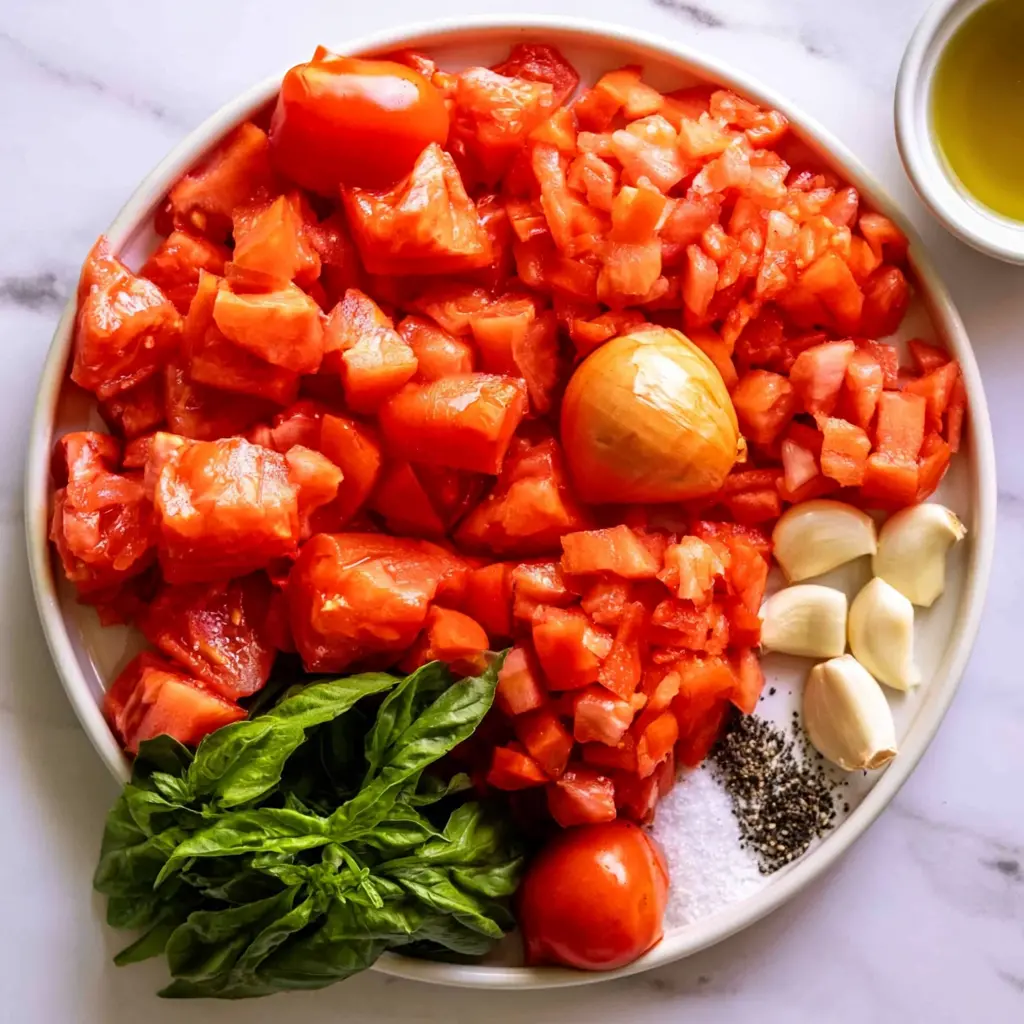
The beauty of this soup is its simplicity. You don’t need a long list of exotic items. You need great, ripe tomatoes and a few pantry staples. If you’ve got peak-summer garden tomatoes, you’re already halfway there.
- Ripe tomatoes, the star of the show. You’ll need about 3 pounds
- Yellow onion, diced, for a gentle sweetness
- Fresh garlic cloves, the more the merrier
- California olive oil, for roasting
- Fine sea salt and black pepper
- Fresh basil leaves, stirred in after blending
- Butter and flour, for a silky roux thickener
- Low-sodium vegetable broth, to make it soup
- A touch of sugar, to balance the acidity
- Heavy cream, optional but delicious
Shop smart this summer. Hit up your local Ralphs or Vons, or better yet, swing by the Santa Monica Farmers Market on a Wednesday morning. The best tomatoes are heavy for their size, deeply colored, and smell faintly sweet at the stem. Avoid anything squishy or mealy. Trust me, the quality of your tomatoes dictates the quality of your soup. If fresh isn’t an option, a 28-ounce can of whole San Marzano tomatoes works great as a stand-in.
How to Make Roasted Tomato Basil Soup
The full recipe details are in the card below, but let’s walk through the major stages. This is the part where I share the why behind each step, so you get it right the first time. Here’s the part I screwed up my first batch: I got impatient with the blender. Don’t do that. Hot soup expands, and a sealed blender lid is a disaster waiting to happen.
Roast the Vegetables for Deep, Caramelized Flavor
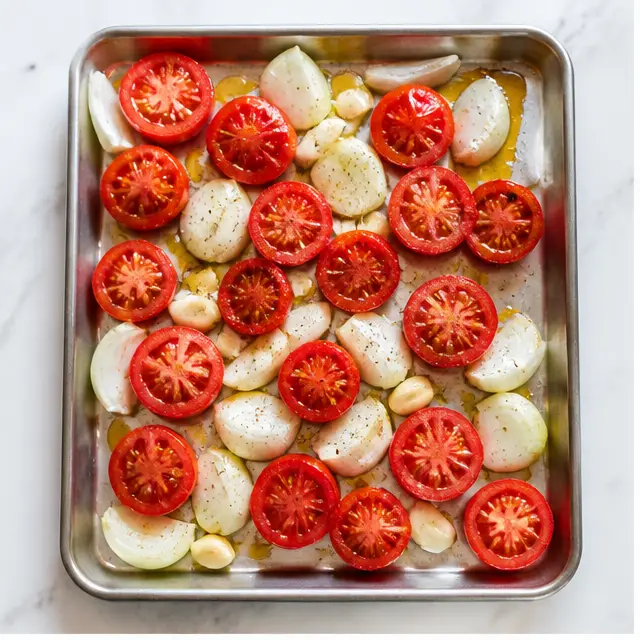
Preheat your oven to 450°F with a rack in the middle. Toss your tomato chunks, diced onion, and chopped garlic with good olive oil, salt, and pepper. Spread them in a single layer on a large rimmed baking sheet. Don’t overcrowd the pan. If they’re piled on top of each other, they’ll steam instead of roast. You want air circulating around them so they caramelize, not boil.
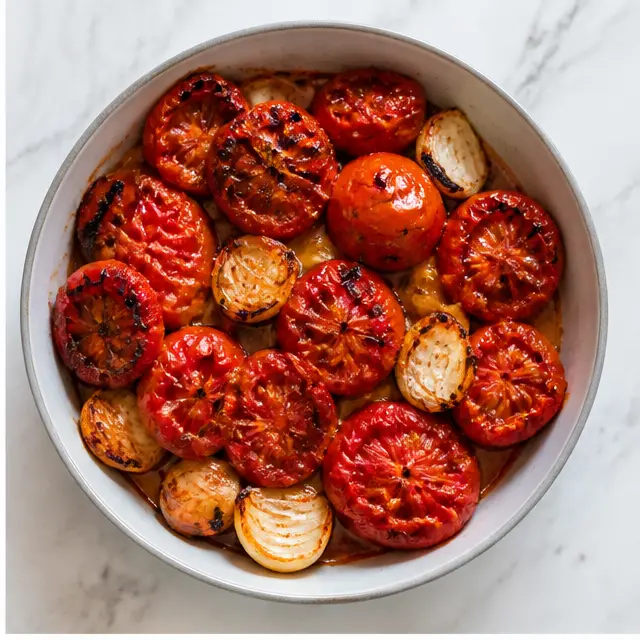
Roast for 30 minutes, giving them a good stir halfway through. You’re looking for the tomatoes to release their juices and wrinkle. Then, here’s the secret to that restaurant-quality char. Turn on the broiler for 2 to 3 minutes. Watch it like a hawk. The edges should just begin to blacken and caramelize. The smell of caramelized garlic and tomato juices filling your kitchen is pure magic. This blistered, charred edge is where the deep, savory flavor lives.
Blend Until Silky Smooth with Fresh Basil
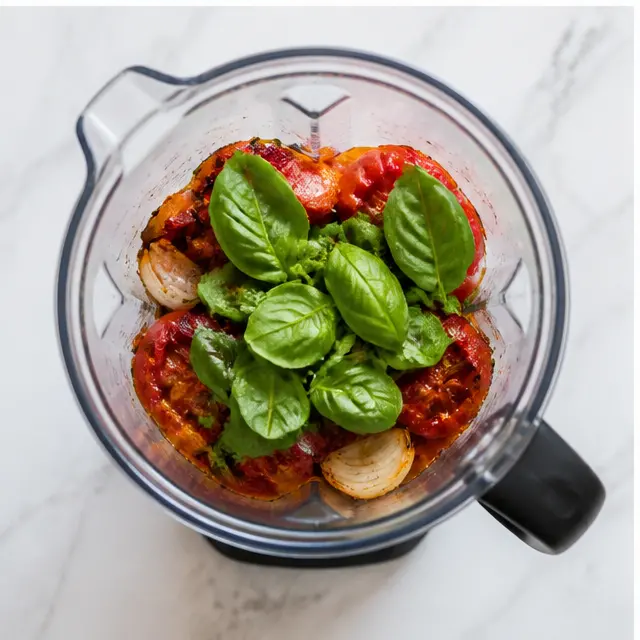
This is the moment of transformation. Carefully transfer the scorching-hot roasted vegetables to a high-powered blender. Add the fresh basil leaves here. This is important. Basil is delicate. If you exposed it to high heat for a long time, it would turn bitter and lose its bright, aromatic punch. By adding it at the blending stage, you get that fresh, peppery, slightly sweet flavor in every single spoonful.
Here’s where we need to be careful. Never fill the blender more than halfway with hot liquid. Remove the small cap from the lid and cover the opening with a clean kitchen towel. This lets steam escape. Hold the lid firmly and start on low, then ramp it up to high. Blend until it’s completely smooth and has a vibrant orange-red color. If you have an immersion blender, you can skip the transfer and blend it right in the pot, but the countertop blender gives you the absolute smoothest texture.
Build a Silky Roux for Body and Richness
Now, let’s talk about the thickener. A lot of tomato soup recipes are thin and watery. Not this one. We’re making a quick roux to give the soup body and a luxurious, velvety mouthfeel. In a large pot, melt the unsalted butter over medium heat. Whisk in the all-purpose flour and cook, whisking constantly, until it’s bubbly and smells slightly nutty, about one minute. This cooks out the raw flour taste. This is a crucial step for the soup’s final texture.
Gradually pour in the low-sodium vegetable broth while whisking. The mixture will thicken quickly into a smooth paste, then loosen up. Keep whisking until it’s smooth and free of lumps. Then, stir in your beautiful roasted tomato puree. This combination of a roux and the naturally concentrated roasted tomatoes creates a soup that coats the back of a spoon beautifully.
Simmer to Blend the Flavors Together
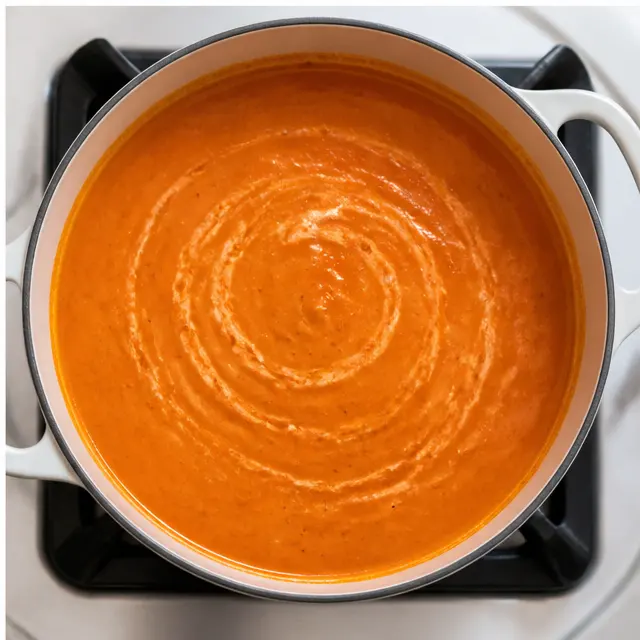
You’re almost there. Bring the soup to a gentle simmer, then reduce the heat to medium-low. Here’s the 15-minute magic. This slow simmer allows the flavors to meld and deepen. The roasted tomatoes, creamy roux, and fresh basil all become one cohesive, harmonious bowl of comfort. If you’re using heavy cream for a richer, more indulgent soup, stir it in now.
Add a teaspoon of granulated sugar to balance the acidity of the tomatoes. It won’t make the soup sweet, it just rounds out the sharp edges. Let it bubble gently for about 15 minutes, until it has thickened to your liking. Finally, season generously with additional salt and pepper. This is the step most people forget. The flavors have concentrated during simmering, so it often needs a final pinch of salt.
Tips for the Best Roasted Tomato Basil Soup
After making this soup dozens of times, I’ve learned a few things. Some through experimentation, some through near-disasters. Here are my non-negotiables for getting it perfect every time.
- Use the best tomatoes. Red, ripe, and juicy. Garden-fresh or organic from the farmers market. Their flavor is the entire foundation of this dish.
- Don’t skip the broiler. That 2-to-3-minute char is what creates the fire-roasted flavor and sets this soup apart from a basic simmered version.
- Blend in batches. Hot liquid in a blender is dangerous. Always vent the lid and use a towel to protect your hand from steam burns.
- Add basil at the end. Fresh basil is the soul of this soup. Adding it to the blender keeps it bright, vibrant, and never bitter.
- Taste and adjust. The final seasoning is everything. A pinch of sugar, salt, or a splash of extra virgin olive oil can make it sing.
Variations & Substitutions
This roasted tomato basil soup is fantastic just as it is, but it’s also a brilliant base for mixing things up. Here’s how to tailor it to your mood, your diet, or what you have in the fridge.
For a dairy-free or vegan version, swap the butter for vegan butter or a good olive oil, and skip the heavy cream or replace it with coconut cream. The soup will still be rich and satisfying. For a gluten-free option, substitute the all-purpose flour with a 1-to-1 gluten-free flour blend or a little cornstarch slurry.
If fresh tomatoes aren’t at their peak, don’t despair. You can absolutely use canned whole San Marzano tomatoes. They’re picked at the height of ripeness and have incredible flavor. If you go this route, reduce the salt to 1/4 teaspoon.
- Spicy kick: Add a pinch of red pepper flakes when you roast the garlic
- Smoky flavor: Roast a red bell pepper along with the tomatoes
- Herby notes: Swap in a few sprigs of fresh thyme for some of the basil
- Extra richness: Stir in a parmesan rind during the simmering stage
- No roast: Simmer raw tomatoes with garlic and broth for 30 minutes, but know you’ll lose that caramelized depth
Storage & Reheating
This soup is a meal prep champion. It makes a generous batch, and it stores beautifully. If you don’t finish it all, you have easy lunches or dinners waiting in the fridge. But there is one trick to reheating, especially if you added the cream.
Store any leftovers in an airtight container in the refrigerator for up to 4 days. The flavors actually continue to meld and improve overnight. It’s a make-ahead soup in the best sense. To reheat, pour it into a saucepan and warm it gently over medium-low heat. Don’t crank the heat up to high. That can cause the cream to curdle and break, which turns the soup grainy.
This soup is also a fantastic freezer meal. Cool it to room temperature, then pour it into freezer-safe containers, leaving about an inch of headspace for expansion. It will keep for up to 3 months. When you’re ready to eat, thaw it overnight in the fridge. If you’ve added cream, you might need to give it a good whisk after reheating to bring it back together. For the smoothest frozen result, consider freezing the soup before you add the cream, and stir it in fresh when you reheat.
Can I Can This Soup for the Pantry?
This is a question I get all the time, especially when the garden is overflowing. The short answer is: freeze it, don’t can it. Please hear me out, because this is a safety issue. This soup is a low-acid food once you add things like onions, garlic, and especially butter or cream. Low-acid foods cannot be safely processed in a water bath canner. That’s a recipe for botulism, which is not a risk worth taking for a bowl of soup.
To can this safely, you would need a pressure canner. You’d also have to make it without the flour roux, without the cream, and with a strict amount of added acid, like lemon juice or citric acid. The texture and flavor would change completely, and honestly, it’s a fussy, nerve-wracking process. For tomato basil soup for canning, I always recommend the freezer.
Here’s the thing about freezer canning. You skip all the safety anxiety and still get the winter payoff. When you open that jar in November, the soup tastes just as fresh and vibrant as the day you made it. It captures that summer sunshine perfectly. For the best results, use freezer-safe jars or containers, and don’t overfill them. A little bit of headspace prevents cracks as the liquid expands.
Serving Suggestions
This soup is a meal on its own, but it absolutely shines with the right accessories. I mean, is there any more iconic duo than tomato soup and a grilled cheese? I don’t think so.
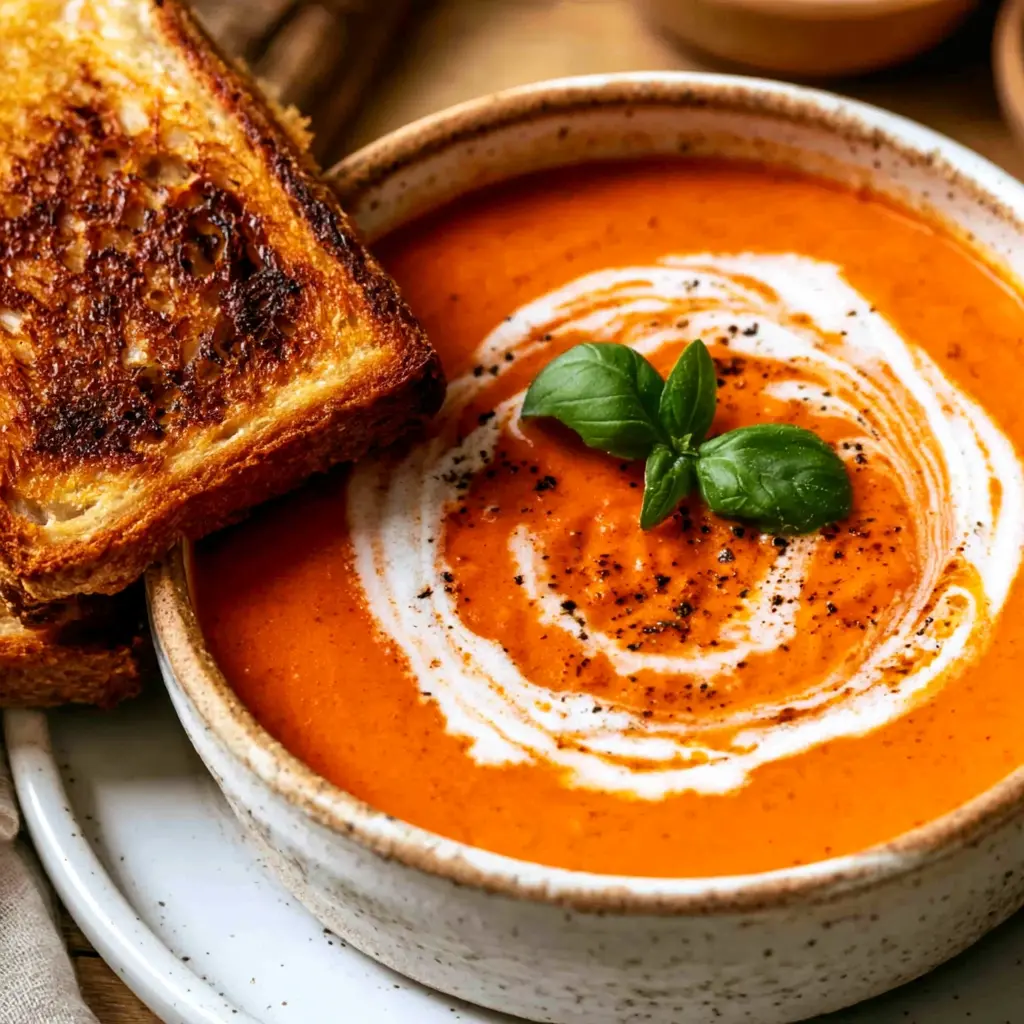
My favorite move is to make a grilled cheese on thick-cut sourdough with sharp cheddar. That tanginess cuts through the rich, sweet soup like a dream. The crisp, buttery bread is perfect for dipping. It’s the ultimate cold-weather comfort dinner, but you know what, I even eat it in August. The soup works at any temperature. Serve it steaming hot, slightly warm, or even at room temp like an elegant summer gazpacho.
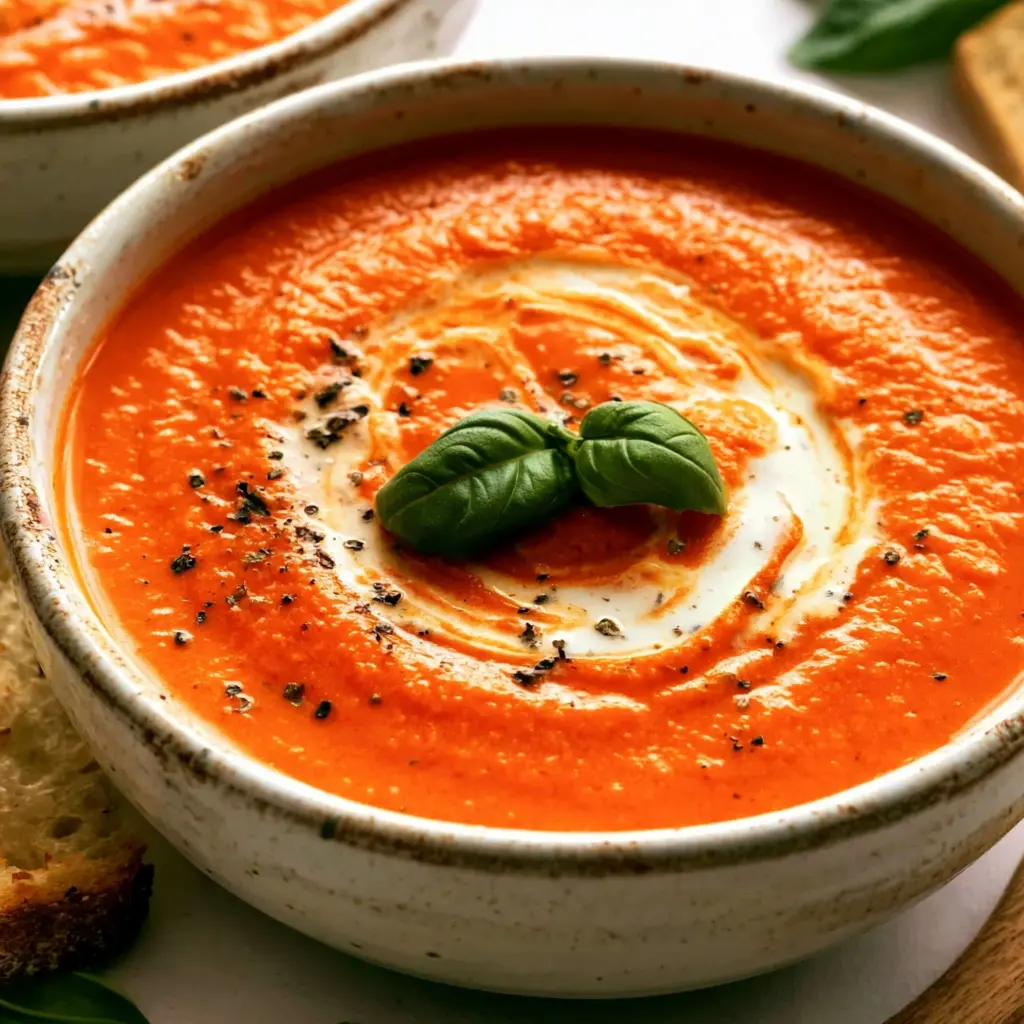
For a fancy garnish, drizzle a little extra virgin olive oil or a swirl of cream on top and finish with a few torn fresh basil leaves. You can also add a sprinkle of grated parmesan for a savory, nutty hit. Pair it with a simple green salad for a lighter meal, or serve it in mugs for a fun, cozy appetizer at a dinner party.
The Winter Payoff
Making this roasted tomato basil soup is about more than feeding yourself tonight. It’s about capturing a moment in time. It’s the smell of the oven filling your kitchen on a warm morning. The sight of those glistening, caramelized edges on the tray. The deep satisfaction of transforming a pile of humble, misshapen garden tomatoes into something velvety and golden.
It’s about looking at your freezer or pantry shelf, lined with labeled containers and jars, and feeling a quiet sense of pride. That’s the feeling of being prepared. It’s the promise of a cozy, delicious meal on a busy Tuesday night in December. You’re not just storing soup, you’re storing a little bit of August sunshine for later.
So go ahead. Embrace the tomato avalanche. Fire up that oven and make a double batch. Trust me, your future self will be incredibly grateful. For more inspiration and to share your own kitchen wins, come follow along on my Pinterest board. I’m always pinning new seasonal favorites. And when you open that first jar in November, come back and tell me it worked.
California-Style Roasted Tomato Basil Soup
Ingredients
Method
- Preheat the oven to 450°F. Lightly grease a large rimmed baking sheet with olive oil or cooking spray.
- In a large bowl, toss the tomatoes, onion, garlic, olive oil, salt, and pepper until evenly coated. Spread the mixture in a single layer on the prepared baking sheet.
- Roast for 30 minutes, stirring once halfway through. Then broil for 2 to 3 minutes, until the edges just begin to char.
- Transfer the roasted vegetables to a high-powered blender, add the fresh basil, and blend until completely smooth.
- Melt the butter in a large pot over medium heat. Whisk in the flour and cook until bubbly, about 1 minute. Gradually whisk in the vegetable broth and sugar until smooth.
- Stir in the pureed tomato mixture. If using, add the heavy cream. Reduce the heat to medium-low and cook for about 15 minutes, until slightly thickened.
- Season to taste with additional salt and pepper, then serve warm.
Nutrition
Notes
Tried this recipe?
Let us know how it was!Frequently Asked Questions
Source: Learn More About This Dish
What tomatoes are best for homemade tomato soup?
Use the ripest, most flavorful tomatoes you can find. Garden-ripe or farmers market varieties are best. If fresh ones are mealy or bland, your soup will be too. In the off-season, a can of whole San Marzano tomatoes makes an excellent substitute.
Should you peel the tomatoes?
Nope, no need to peel them. Since you’re using a high-powered blender to puree everything until smooth, the skins completely disappear. That said, if you prefer an ultra-refined texture, you can strain the finished soup through a fine-mesh sieve.
How do I adjust the consistency of the soup if it’s too thick or thin?
If it’s too thick, whisk in a little extra vegetable broth or water to thin it out. If it’s too thin, let it simmer longer on the stove to reduce and concentrate. The roux helps it thicken nicely as it cooks.
Is there a way to make this soup without roasting the tomatoes?
Yes, you can simmer chopped tomatoes and garlic in vegetable broth for about 30 minutes as a quicker method. However, you’ll lose the deep, caramelized fire-roasted flavor that makes this recipe so special, so I’d only do it if you’re truly short on time.
Can I use dried basil instead of fresh, and how much?
In a pinch, yes. Dried herbs are more concentrated than fresh, so use half the amount, about 2 teaspoons. Add it during the simmering stage instead of the blending stage to let it rehydrate. But honestly, fresh basil makes this soup a masterpiece.
Can I make this roasted tomato basil soup ahead of time?
Absolutely. This make-ahead soup tastes even better the next day as the flavors meld. Store it in an airtight container in the fridge for up to 4 days. You can also freeze it for up to 3 months, just leave out the heavy cream until you reheat it.