
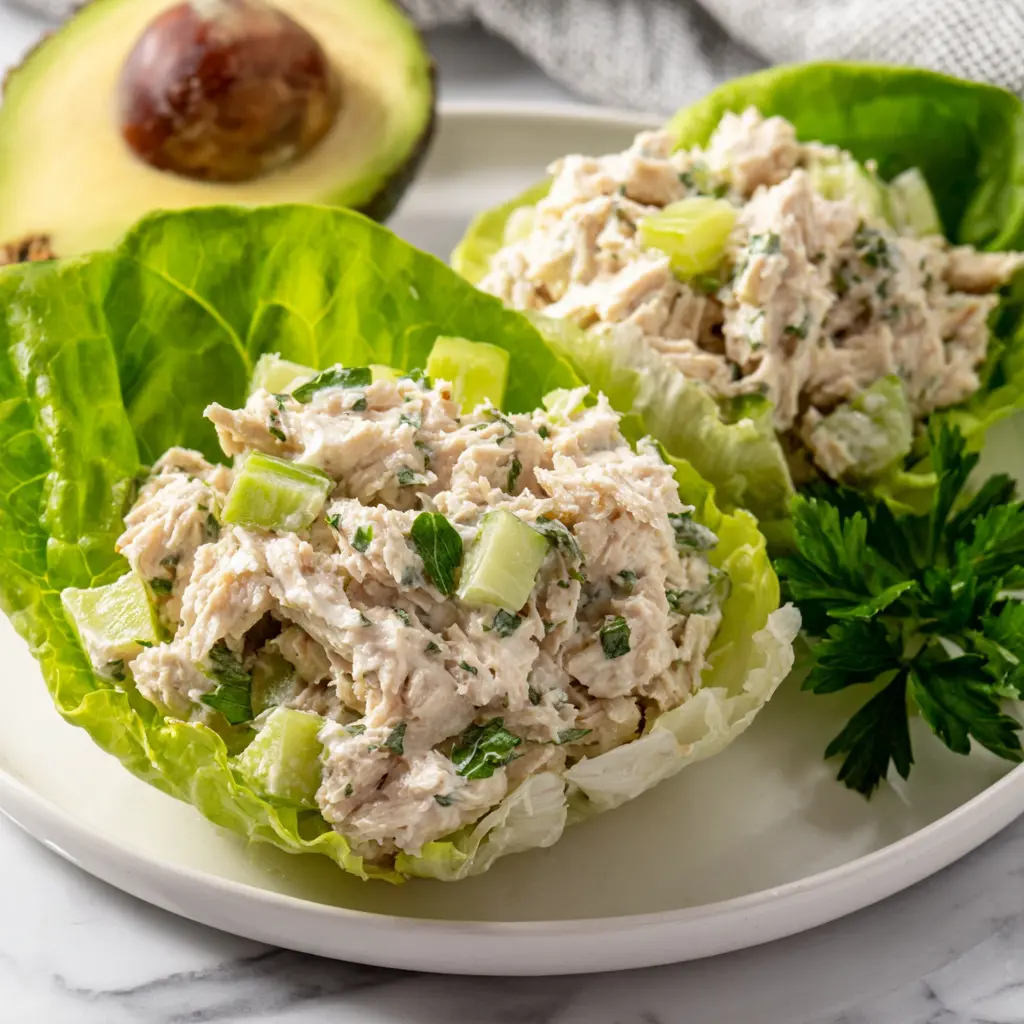
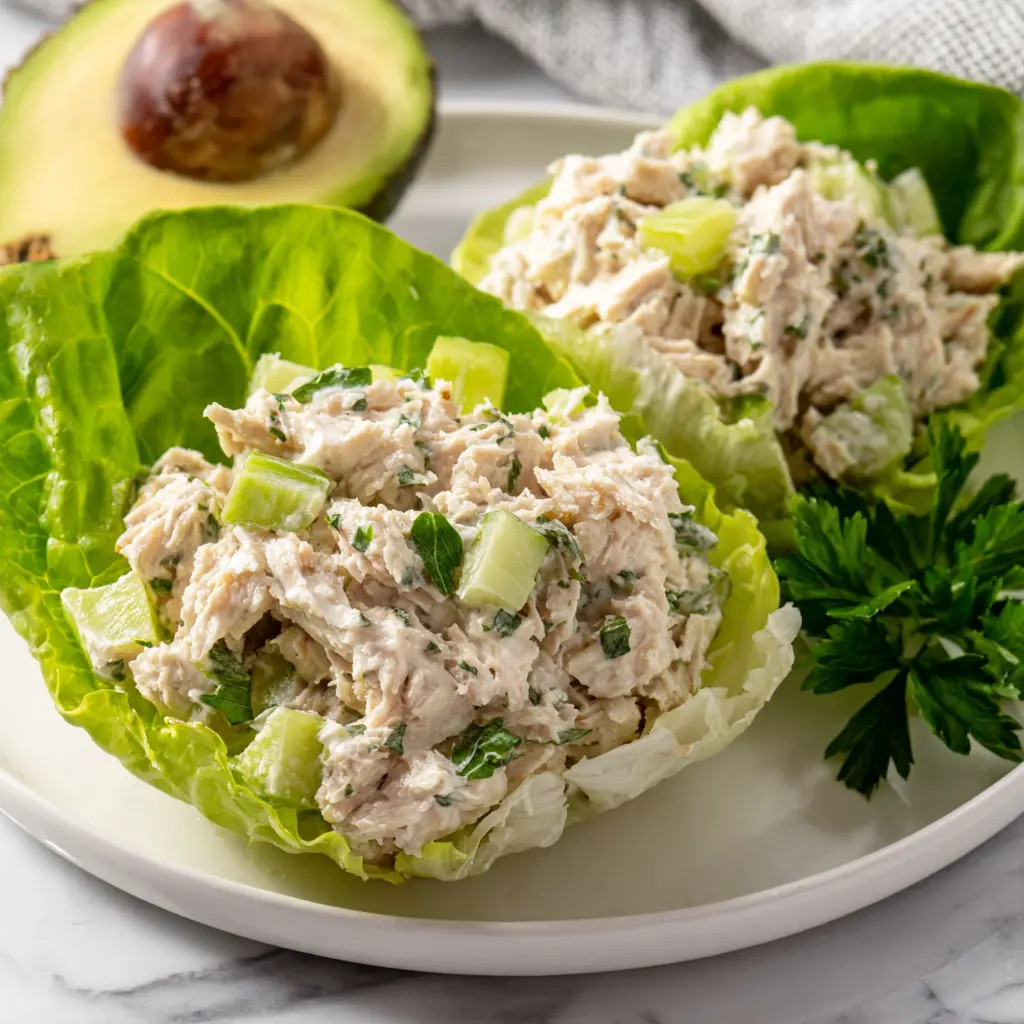
California Tuna Salad Recipe with Avocado and Meyer Lemon
Ingredients
Method
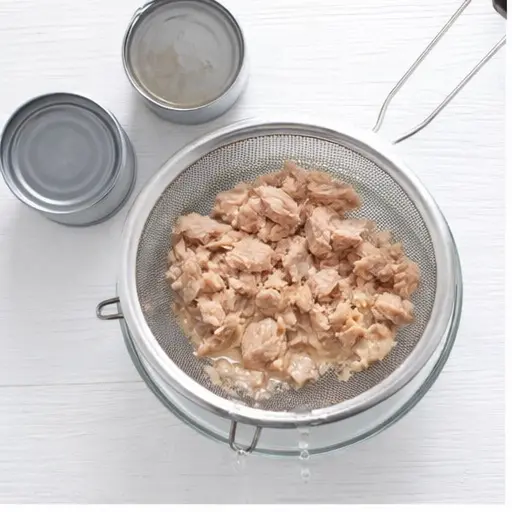
- Drain the tuna thoroughly using the can lid or a fine-mesh strainer. Press gently to remove excess liquid so the salad stays firm, not watery.
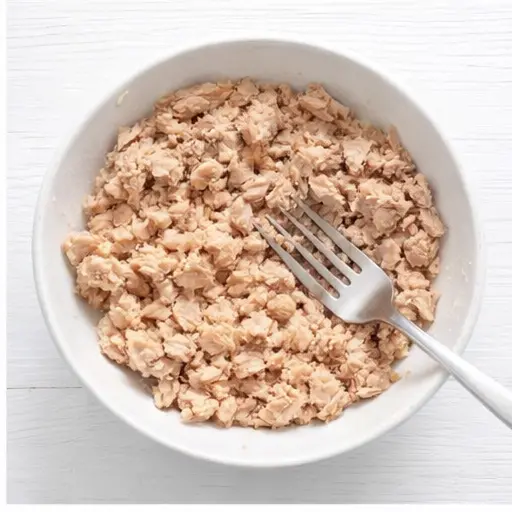
- Flake the tuna into a medium bowl with a fork, breaking it apart well to create lots of surface area for the dressing to coat evenly.
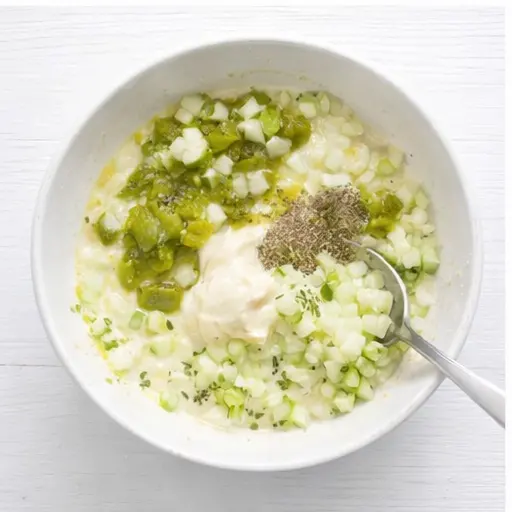
- Add the diced celery, minced onion, mayonnaise (or yogurt), relish, Meyer lemon juice, parsley, mustard, salt, garlic powder, dill weed, pepper, and cayenne. Stir until everything is combined. If using avocado, fold it in gently at the end.
- For best flavor, cover and chill the tuna salad for at least 30 minutes before serving. If you're short on time, you can serve it right away. Scoop into lettuce cups, spread on sourdough bread, roll into tortillas, or enjoy with crackers.
Nutrition
Notes
Tried this recipe?
Let us know how it was!Why This California Tuna Salad Works
Let me be honest with you. I’ve made a lot of tuna salad in my day. Some were good, some were… well, let’s just say they ended up as cat food. But this one? This one’s different. It’s the tuna salad recipe I actually crave, and I promise it’ll become your go-to too.
I made this for lunch just last week. It was one of those scorching July afternoons where turning on the stove felt like a personal insult. I wanted something cool, something satisfying, and something I could throw together without thinking too hard. This classic tuna salad hit every single note. It’s creamy without being heavy, bright without being tangy, and it comes together in about fifteen minutes. No cooking, no fuss, no heating up the kitchen. Just a bowl, a fork, and a few pantry staples.
The secret? It’s all about balance. The creamy mayo against the fresh crunch of celery, the subtle heat of cayenne, the pop of dill relish. And then there’s the avocado. I know, I know, avocado in tuna salad sounds a little extra. But trust me, it takes this from a simple lunch to something you’d actually look forward to. It adds this buttery richness that just works.
This is not a fussy recipe. It’s forgiving. You can eyeball the ingredients, swap things out, add more of what you love. That’s the beauty of a good tuna salad recipe it’s a template, not a prison. So let’s get into it.
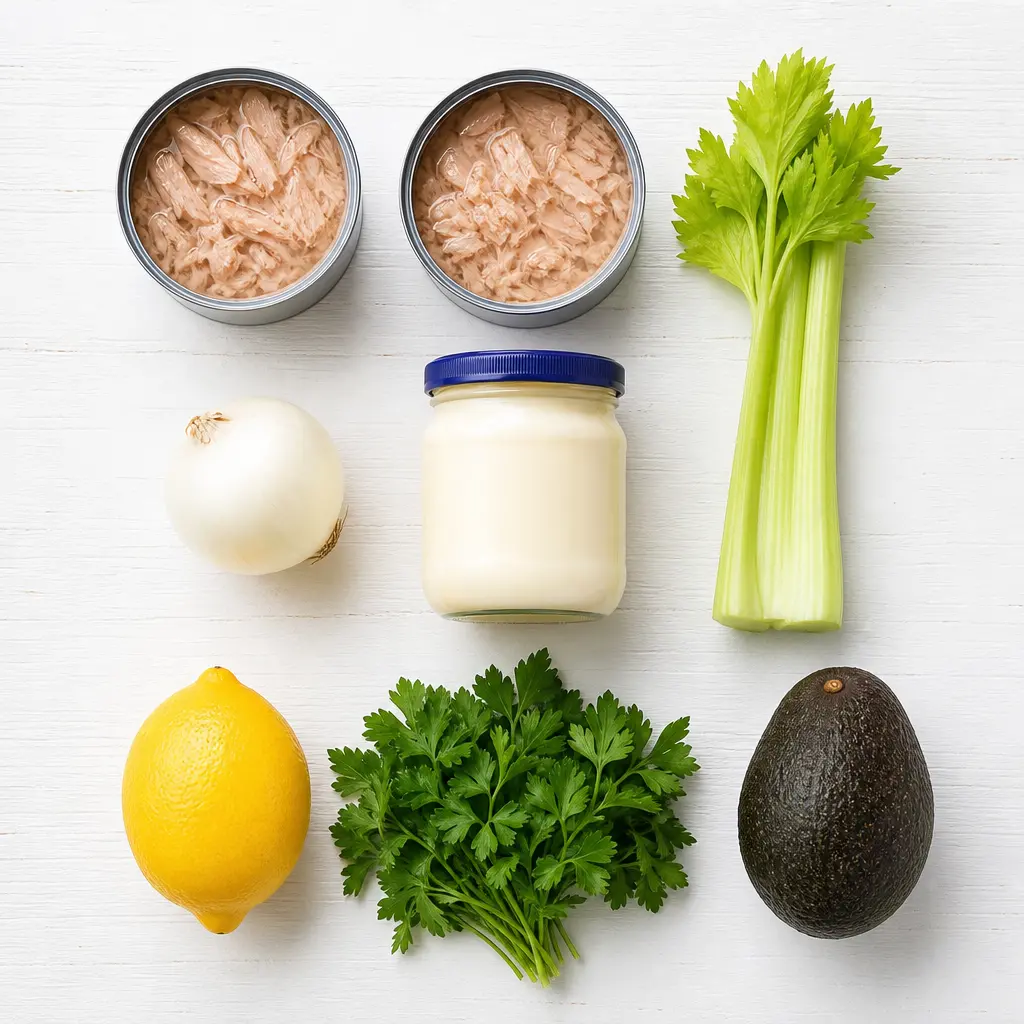
Ingredients for Tuna Salad
Here’s the thing about a classic tuna salad you don’t need a million ingredients. Just a handful of good ones, treated right. Let me walk you through what I use and why each one matters.
- Albacore tuna packed in water This is my go-to. Solid white albacore has a mild, clean flavor and a firm texture that flakes beautifully. Chunk light works too, but I find albacore gives you that classic tuna salad feel. Make sure it’s packed in water, not oil, so the salad stays light.
- Celery One stalk, finely diced. This is your crunch. Don’t skip it. It adds that fresh, crisp texture that breaks up the creaminess.
- White onion Just two tablespoons, minced. You want the flavor without the overpowering bite. If you’re sensitive to raw onion, you can soak the minced onion in cold water for five minutes before adding it.
- Mayonnaise One-third cup. This is the backbone of the dressing. I use full-fat mayo here because it gives the creamiest texture. You can swap in plain Greek yogurt for a lighter version, but I’ll be real it won’t be quite as luxurious.
- Dill or sweet relish One tablespoon. This is where you get to choose your own adventure. Dill relish adds a tangy, pickle-y punch. Sweet relish brings a little sweetness that reminds me of my grandma’s tuna salad. I go back and forth, honestly.
- Meyer lemon juice Two teaspoons, freshly squeezed. Meyer lemons are a bit sweeter and less acidic than regular lemons, and they brighten everything up without making it sour. If you can’t find Meyer lemons, regular lemon juice works fine.
- Fresh parsley One tablespoon, chopped. It adds a fresh, herbaceous note that cuts through the richness. Don’t skip it it’s more important than you think.
- Yellow mustard One teaspoon. Just a little. It adds a subtle tang and depth without being mustard-forward.
- Seasonings Salt, garlic powder, dried dill weed, freshly cracked black pepper, and a pinch of cayenne pepper. The cayenne is optional, but I love the tiny warmth it adds. It’s not spicy, just… interesting.
- Hass avocado One medium, diced. This is the optional addition that makes it California-style. It adds creaminess and healthy fats. Fold it in gently at the end so it doesn’t get mushy.
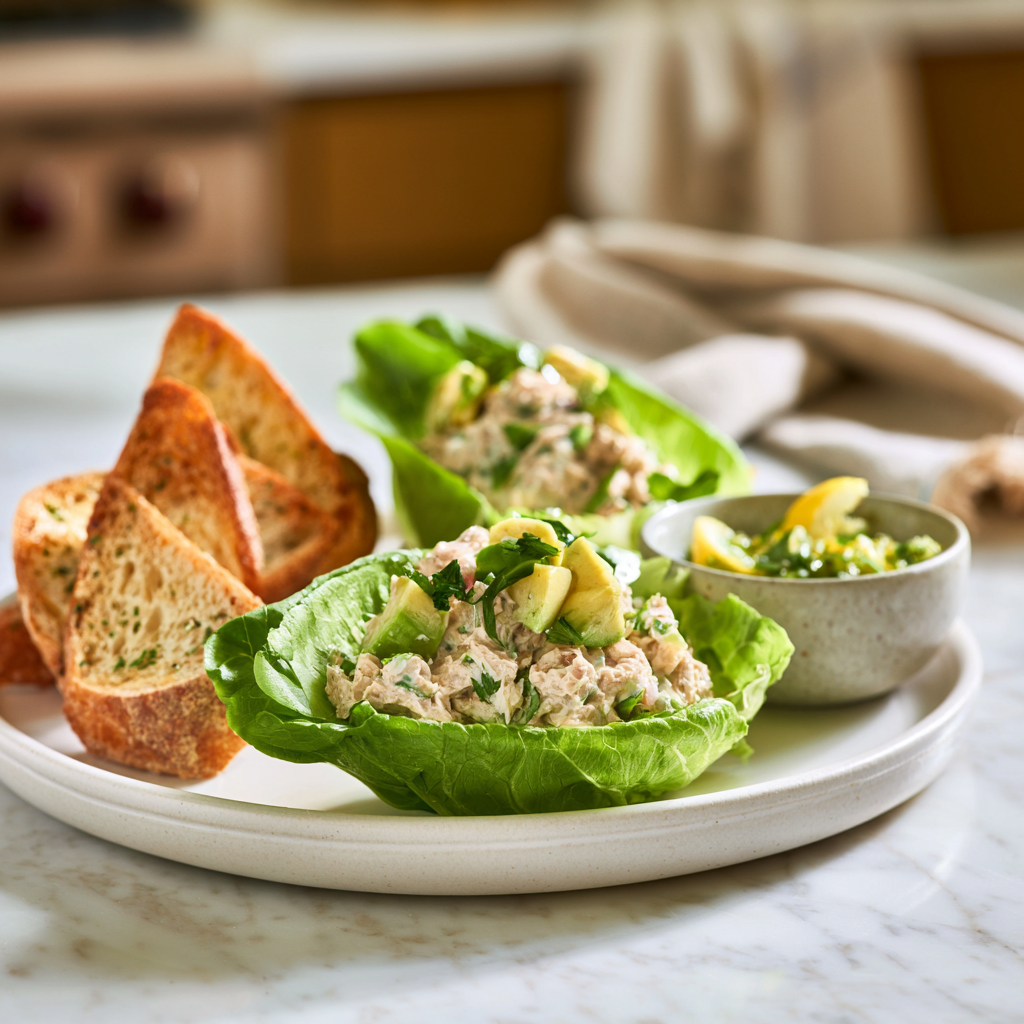
For serving, I love butter lettuce leaves for wraps, sourdough bread for sandwiches, flour tortillas for wraps, or just a pile of crackers for scooping. It’s all good.
How to Make Tuna Salad
Okay, let’s get to the actual making part. This is so simple you’ll wonder why you ever bought pre-made tuna salad. I’ll walk you through the four stages, and I promise you’ll nail it on the first try.
Stage 1: Drain the Tuna
This is the most important step, and I cannot stress it enough. If your tuna is watery, your salad will be watery. Use the can lid to press down on the tuna and drain off as much liquid as you can. Then transfer the tuna to a fine-mesh strainer and press gently with the back of a spoon. You want it almost dry. This is the secret to a firm, not-soggy salad.
Stage 2: Flake the Tuna
Transfer the drained tuna to a medium bowl. Take a fork and start breaking it apart. You want it flaked, not mashed. Think small, even pieces with some texture left. This creates lots of surface area for the dressing to coat every bit. It’s weirdly satisfying, honestly.
Stage 3: Mix the Dressing and Add-Ins
Add the diced celery, minced onion, mayonnaise (or yogurt), relish, Meyer lemon juice, parsley, mustard, salt, garlic powder, dried dill weed, pepper, and cayenne. Stir everything together until it’s well combined. Taste it. Does it need more salt? More lemon? A little more mayo? Adjust as you go. This is your salad, so make it taste like you want it to.
Stage 4: Fold in the Avocado
If you’re using avocado, dice it into small cubes and gently fold it into the salad at the very end. You want the avocado to stay in distinct pieces, not get mashed into the dressing. This gives you those lovely creamy pockets of avocado in every bite. If you’re serving it later, add the avocado just before serving so it doesn’t brown.
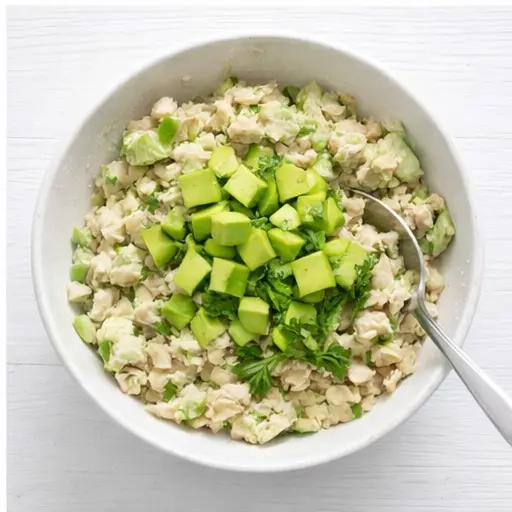
For best flavor, cover the bowl and chill the tuna salad for at least 30 minutes before serving. The flavors need a little time to get to know each other. But if you’re hungry right now, it’s totally fine to eat it immediately. I won’t judge.
Tips for the Best Tuna Salad
After making this tuna salad recipe more times than I can count, I’ve picked up a few tricks. Here are the ones that make the biggest difference.
- Drain, drain, drain. I said it before and I’ll say it again. Watery tuna is the enemy of good tuna salad. Press out every last drop.
- Use a fork to flake. Don’t use a spoon or a mixer. A fork gives you the perfect texture broken up but not mushy.
- Chop your veggies small. You want the celery and onion to be in every bite, not in big chunks you have to chew around. Finely dice everything.
- Taste and adjust. This is the most important tip. Before you chill it, taste the salad. Is it creamy enough? Does it need more salt? A squeeze of lemon? Adjust now, not later.
- Let it chill. Thirty minutes in the fridge lets the flavors meld together. The garlic powder and dill weed mellow out, the lemon brightens everything, and the whole thing becomes more cohesive.
- Add avocado at the end. If you’re adding avocado, fold it in just before serving. This keeps it from getting brown and mushy.
Tuna Salad Variations
One of the best things about this classic tuna salad is how versatile it is. Here are some ways to switch it up depending on what you have on hand or what you’re in the mood for.
- No-mayo tuna salad: Swap the mayonnaise for plain Greek yogurt or a simple vinaigrette made with olive oil, lemon juice, and Dijon mustard. It’s lighter but still delicious.
- Egg tuna salad: Add one or two chopped hard-boiled eggs for extra protein and richness. It makes the salad even more filling.
- Curry tuna salad: Add a teaspoon of curry powder, some diced apple, and a handful of raisins or chopped almonds. It’s a totally different vibe and so good.
- Tuna melt: Pile the tuna salad onto sourdough bread, top with a slice of cheese, and broil until bubbly and golden. It’s comfort food at its finest.
- Tuna pasta salad: Stir the tuna salad into cooked and cooled macaroni or small pasta shells. Add some extra mayo or yogurt to coat the pasta, and you’ve got a great picnic dish.
- Stuffed tomatoes or avocados: Hollow out a ripe tomato or halve an avocado, and fill the center with tuna salad. It’s a pretty presentation and so tasty.
How to Store Tuna Salad
This tuna salad recipe keeps really well, which makes it perfect for meal prep. Here’s what you need to know.
Store the tuna salad in an airtight container in the refrigerator. It will stay fresh for up to three days. If you added avocado, I’d recommend eating it within 24 hours, because the avocado will start to brown. If you’re meal-prepping for the week, leave the avocado out and add it fresh each day.
One thing to keep in mind don’t leave tuna salad at room temperature for more than two hours. If you’re taking it to a picnic or a beach day, pack it in a cooler with an ice pack. Food safety matters, even with something as simple as tuna salad.
Can you freeze tuna salad? Technically yes, but I don’t recommend it. The mayonnaise-based dressing can separate when thawed, and the texture of the celery and onion gets watery and sad. It’s best made fresh and eaten within a few days.
Tuna Salad Recipe FAQs
I get a lot of questions about this recipe, so I wanted to answer the most common ones right here.
What to Serve with Tuna Salad
This tuna salad recipe is incredibly versatile. Here are some of my favorite ways to serve it.
- Lettuce wraps: Scoop the tuna salad into butter lettuce cups for a light, low-carb option. The crunch of the lettuce is perfect against the creamy salad.
- Sandwiches: Pile it high on toasted sourdough bread with some extra lettuce and tomato slices. It’s a classic for a reason.
- Tortilla wraps: Spread it on a flour tortilla, add some shredded lettuce, and roll it up for an easy lunch on the go.
- Crackers: Serve it as a dip with your favorite crackers. It’s great for a snack or an appetizer.
- Stuffed avocado or tomato: Halve an avocado or a large tomato, scoop out the center, and fill it with tuna salad. It’s a pretty and delicious presentation.
- On a bed of greens: Serve the tuna salad over mixed greens with a drizzle of olive oil and lemon juice. It’s a light, satisfying meal.
I hope you love this tuna salad recipe as much as I do. It’s become a staple in my kitchen, and I think it will be in yours too. If you make it, let me know how it turns out. And if you’re looking for more inspiration, I’d love for you to follow along on Pinterest where I share all my favorite recipes.
Source: Nutritional Information
What can I put in on tuna instead of mayo?
You can use plain Greek yogurt for a lighter, tangier dressing. A simple vinaigrette with olive oil, lemon juice, and Dijon mustard also works great. Whipped silken tofu is another option for a creamy, dairy-free version. Just adjust the seasonings to taste.
Can I make tuna salad with oil-packed tuna?
Yes, you can, but it will change the texture and flavor. Oil-packed tuna is richer and moister, so you’ll want to reduce the amount of mayonnaise you add. Drain the oil thoroughly and pat the tuna dry with paper towels to avoid an overly greasy salad.
How do I remove the oil from oil-packed tuna?
Drain the tuna in a fine-mesh strainer and press gently with the back of a spoon to remove as much oil as possible. Then spread the tuna on a paper towel-lined plate and pat it dry. This absorbs the remaining oil and helps the dressing cling better.
What’s the best tuna for tuna salad?
For the best texture and mild flavor, I recommend solid white albacore tuna packed in water. It flakes beautifully and has a clean taste. Chunk light tuna is also fine and more affordable, but it has a slightly stronger flavor and softer texture.
How long does tuna salad last in the fridge?
Stored in an airtight container, tuna salad will stay fresh for up to three days. If you added avocado, eat it within 24 hours for the best quality. Always check for any off smells before eating, and never leave it at room temperature for more than two hours.
Why add hard-boiled eggs to tuna salad?
Hard-boiled eggs add extra protein, richness, and a creamy texture that complements the tuna. They also help bind the salad together and make it more filling. It’s a classic addition that many people love, especially for sandwiches.
Does the jalapeño make the tuna salad spicy?
This recipe doesn’t use jalapeño. The pinch of cayenne pepper adds a very subtle warmth, not actual heat. It’s more of a background note that makes the other flavors pop. If you want a spicy tuna salad, you can add finely diced fresh jalapeño or a dash of hot sauce.
How to give tuna salad more flavor?
Season generously with salt, pepper, and a pinch of cayenne. Fresh lemon juice brightens everything up. You can also add more fresh herbs like parsley or dill, a splash of pickle juice, or a teaspoon of Dijon mustard. Taste and adjust until it tastes amazing to you.