Ingredients
Method
- If using frozen shrimp, ensure they are fully thawed under cool running water. Carefully peel the shells from the shrimp and remove the dark vein running along their backs, then rinse thoroughly and pat completely dry. Transfer the prepped shrimp to a small mixing bowl.
- Drizzle the shrimp with 2 tablespoons of the California extra virgin olive oil. Add half of the minced garlic (approximately 2 cloves), ½ teaspoon of the kosher salt, and the red pepper flakes. Toss gently to ensure all shrimp are evenly coated, then set aside to marinate for 20 minutes to allow the flavors to deeply infuse.
- Heat a large skillet, preferably non-stick, over medium heat and add the remaining 2 tablespoons of California extra virgin olive oil. Once the oil is shimmering, add the marinated shrimp and garlic mixture to the skillet, arranging them in a single layer without overcrowding the pan. Cook for 1 to 1½ minutes per side, just until the shrimp turn opaque and develop a light golden hue. Be careful not to overcook the shrimp or burn the garlic. Remove the cooked shrimp to a clean bowl or plate. If any garlic bits have browned excessively in the pan, remove them to prevent bitterness in the sauce.
- Return the skillet to medium heat. Add 3 tablespoons of the unsalted butter and allow it to melt completely. Stir in the remaining minced garlic (approximately 2 cloves) and cook for about 30 seconds until it becomes fragrant. Pour in the dry white wine (or chicken broth) and the fresh Meyer lemon juice. Bring the mixture to a gentle simmer and cook for approximately 5 minutes, stirring occasionally, until the sauce slightly thickens and reduces by about half.
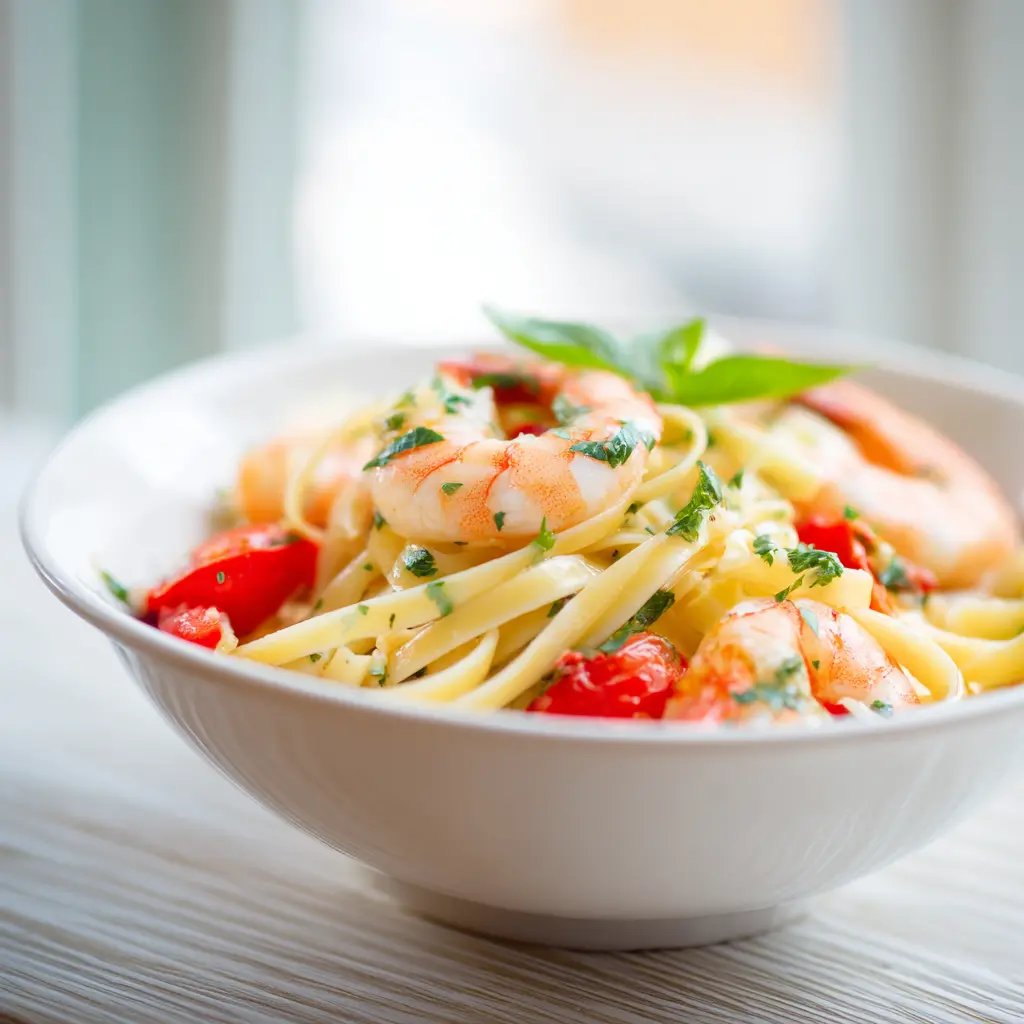
- Return the seared shrimp, along with any accumulated juices, to the skillet with the sauce. Stir in the final tablespoon of unsalted butter and the remaining ½ teaspoon of kosher salt, or adjust to your taste. Sprinkle in the finely chopped fresh Italian parsley and gently stir everything together. Cook for just 1 more minute to ensure the shrimp are warmed through. Serve immediately with warm San Francisco-style sourdough bread for dipping, or over your favorite pasta or rice.
Nutrition
Notes
For the best texture, serve shrimp scampi immediately after cooking, as reheating can often lead to a rubbery consistency.
If you don't have Meyer lemons, regular fresh lemon juice will work well; just be mindful of its slightly more tart flavor.
Ensure your skillet is hot enough before adding the shrimp to achieve a good sear without overcooking.
Don't overcrowd the pan when cooking the shrimp; cook in batches if necessary to ensure even cooking and browning.
Leftover scampi can be stored in an airtight container in the refrigerator for up to 2 days, though freshness is best.
This dish pairs wonderfully with a light pasta, creamy polenta, or even zucchini noodles for a low-carb option.
A high-quality dry white wine, like a California Sauvignon Blanc or Pinot Grigio, will yield the best flavor for the sauce.