
Why This Recipe Works
I used to order Cajun shrimp pasta at restaurants and wonder what on earth they were doing that I couldn’t do at home. Turns out: nothing. No secret pantry items, no culinary degree required. Just a hot skillet, good shrimp, and a cream sauce that comes together faster than delivery.
This is the easy creamy pasta that pulled me out of my chicken-quesadilla-spaghetti dinner rut. It’s rich, it’s got a smoky kick, and it’s done in about 15 minutes flat. Fifteen! That means it slides right into your 30-minute weeknight dinner window with time left over to empty the dishwasher.
- Fast: 5 minutes of prep, 10 minutes of cooking. That’s it.
- One skillet: The sauce builds right in the pan where the shrimp seared, so cleanup is borderline embarrassing.
- Juicy shrimp, every time: A hot pan and a quick sear keep them tender and sweet, never rubbery.
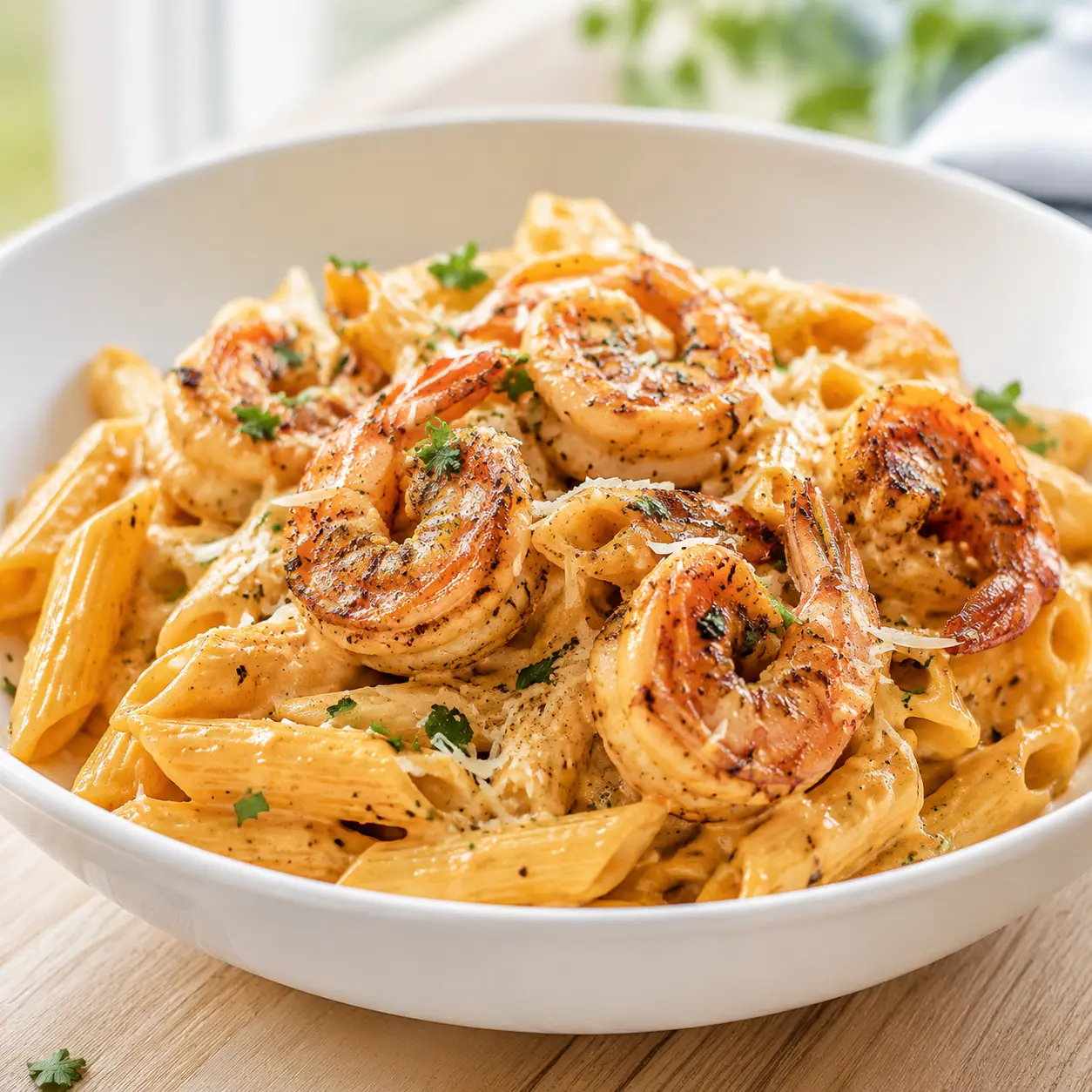
- Restaurant copycat energy: That glossy, creamy cajun sauce coating every piece of penne? Very doable at home.
My first attempt, honestly? A soupy mess. I boiled the cream, the sauce split, and I stood there staring at a pan of what looked like curdled milk with shrimp floating in it. But I figured out where I went wrong, and now this recipe refuses to fail. Listen, if I can pull this off on a Tuesday night in the middle of August back-to-school chaos, you absolutely can too.
Recipe Science: Silky Sauce, Juicy Shrimp
Two things make this dish work. Once you get them, you’re golden.
The sauce: Heavy cream is your best friend here because it doesn’t curdle as easily as lighter dairy. The trick is letting it bubble gently around the edges, then dropping the heat to low before stirring in the Parmesan. Cheese melts into cream slowly and smoothly at low temperature. Rush it, and you’ll chase little clumps around the pan like I did that first time. Not fun.
The shrimp: Pat them dry, coat them in that bold Cajun seasoning, and lay them in a screaming-hot pan without crowding. They need direct contact with the metal to sear, not steam. Flip once, and the second they turn pink and opaque, they’re done. You’ll see a gentle C-shape curl when they’re perfect. A tight O-shape means they’ve gone too far. Simple as that.
Ingredients You’ll Need
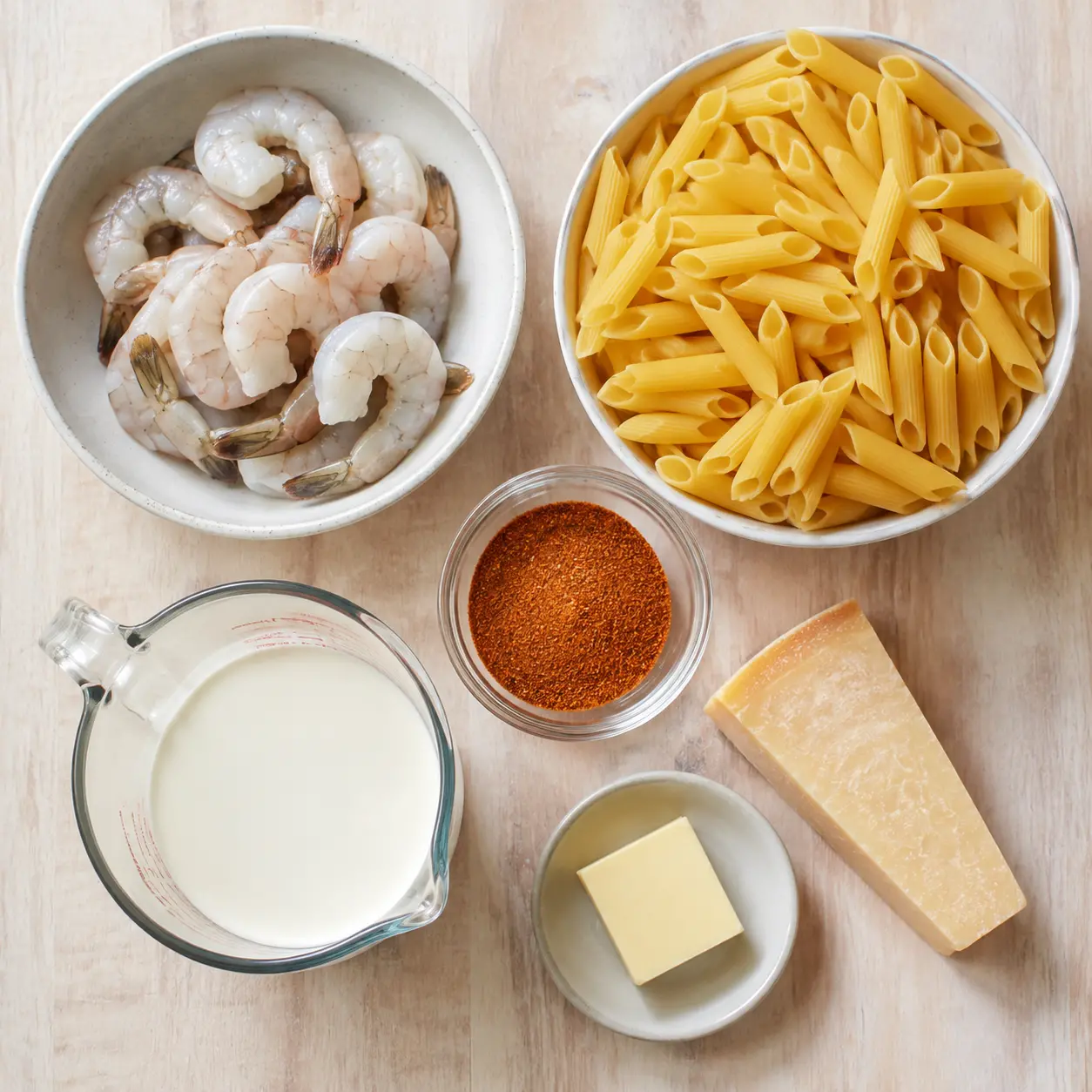
This Cajun shrimp pasta keeps the grocery list short, which is exactly what I need on a school night. Penne, raw shrimp, Cajun seasoning, olive oil, butter, heavy cream, and a hunk of good Parmesan. Plus kosher salt for the pasta water.
A few quick notes before we start:
- Cajun seasoning: Store-bought is totally fine. Just know that many blends are salt-heavy, so start with 1 tablespoon, taste, and add more if you want. Homemade blends let you control both salt and heat, and I’ll get to that below.
- Parmesan: Please buy a block and grate it yourself. Pre-grated stuff has anti-caking agents that make it clump instead of melt. A microplane turns it into snow that dissolves right into the hot cream sauce.
- Shrimp: Medium to large, peeled and deveined. I grab a pound from Costco or the seafood counter at Ralphs. Frozen raw shrimp work great too, just thaw them completely and pat them very dry before seasoning.
How to Make Cajun Shrimp Pasta
The whole thing runs like a choreographed little dance. Pasta water boils while shrimp sear, and the sauce comes together in the same pan. Here are the four big stages.
Stage 1: Season the Shrimp
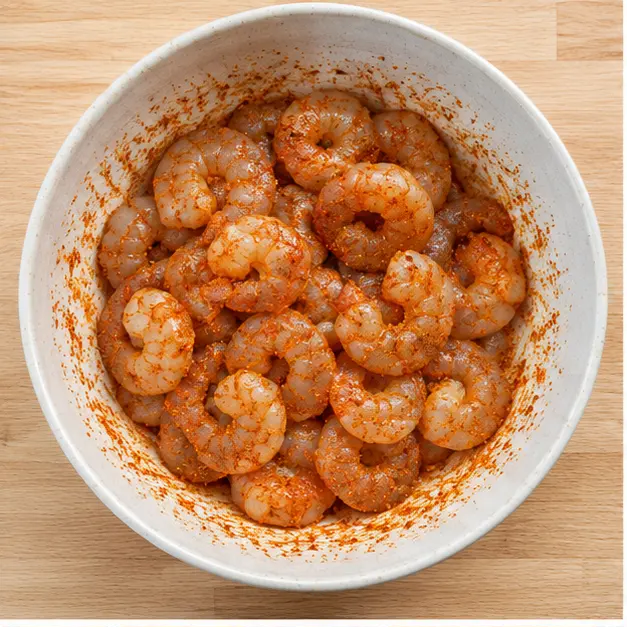
Toss the raw shrimp with the Cajun seasoning and olive oil in a mixing bowl. Get them fully coated, every curve and crevice. The olive oil helps the spice stick and gives the sear a head start. This takes about 60 seconds, and honestly, the smell alone is a preview of what’s coming.
Stage 2: Boil the Pasta and Sear the Shrimp
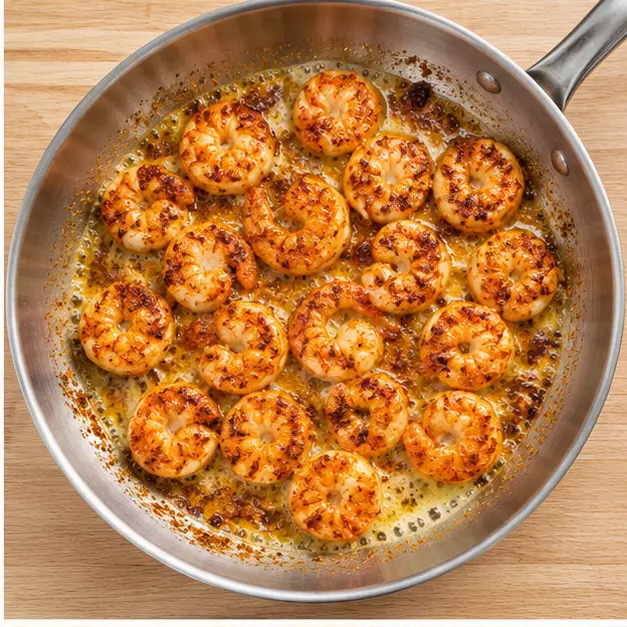
Get a big pot of salted water boiling for the penne. While that heats up, warm a wide skillet over medium-high heat. Melt the butter in the skillet, then lay the seasoned shrimp in a single layer. They should sizzle the moment they touch the pan. That sizzle is the sound of dinner getting real.
Let them cook without touching them until the bottoms turn golden brown, then flip each one. Work in two batches if your skillet is small. Crowding drops the pan temperature and turns your sear into steaming, which is exactly how you end up with rubbery shrimp. Transfer the cooked shrimp to a plate, then lower the skillet heat to medium. You’re still well inside your 30-minute dinner deadline, I promise.
Stage 3: Build the Creamy Cajun Sauce
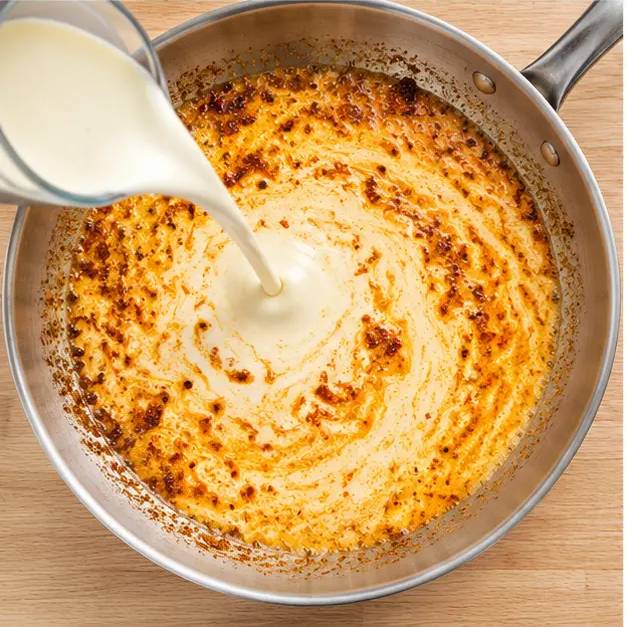
Here’s where the magic happens. Pour the heavy cream into the same skillet, scraping up those browned bits from the bottom with a flat wooden spatula. Those bits are pure flavor, and the cream lifts them right off the pan. Let the cream bubble around the edges, then turn the heat to low and stir in the Parmesan.
Watch it transform. Pale cream swirls into a warm, golden-orange sauce as the cheese melts and the Cajun seasoning from the shrimp infuses everything. It should be glossy, not grainy. If it looks tight or clumpy, the heat was too high. Pull it off the burner and stir; it usually smooths right out.
Stage 4: Toss and Finish
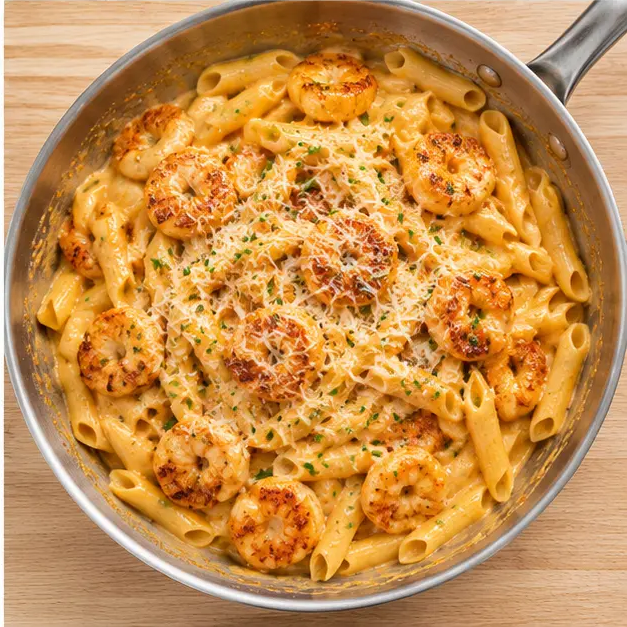
By now your penne should be al dente. Scoop out at least half a cup of that starchy pasta water before draining, because it’s liquid gold for sauce consistency. Return the pasta and shrimp to the skillet and toss everything until every piece of penne wears that creamy cajun sauce like a coat.
If the sauce feels too thick, splash in the reserved pasta water one tablespoon at a time until it loosens. Taste it. Add a pinch of salt if it needs it. Then serve immediately, because this dish waits for no one.
Tips for the Best Cajun Shrimp Pasta
I’ve made this enough times to know exactly where things go sideways. Here are the common mistakes, and the fixes that keep your dinner on track.
- Overcooking the shrimp: Watch for the C-shape. The moment they curl into a tight O, they’re done and then some. When in doubt, pull them off the heat.
- Using pre-grated Parmesan: It clumps instead of melting. Grate from a block, and if you’re in a pinch, mince it super fine so it melts into the hot cream sauce faster. I learned this one the hard way, chasing clumps around the pan.
- Too much salty seasoning: Store-bought Cajun blends vary wildly. Start with 1 tablespoon for the pound of shrimp, taste, and add more rather than dumping everything in at once.
- Burning the spice coating: The sugar in some seasonings can scorch on high heat. Medium-high is the sweet spot, and never crowd the pan.
- Boiling the cream: A gentle bubble around the edges is fine. A rolling boil will break the sauce. Keep it low and patient.
- Skipping the pasta water: That starchy reserved water emulsifies everything and fixes a sauce that’s too thick. Always scoop some out before draining.
Cajun Shrimp Pasta Variations
This recipe is a fantastic base, and it bends to whatever you’ve got in the fridge.
- Different protein: Flattened chicken breast or wild-caught scallops both work beautifully. Season them the same way, adjust the cooking time, and the creamy cajun sauce does the rest.
- Dial the heat: Want it milder? Use less Cajun seasoning or a mild blend with minimal cayenne. Want it spicier? Add red pepper flakes for lingering heat or a splash of hot sauce for tang and spice.
- Extra vegetables: Sauté sliced mushrooms, zucchini, asparagus, green beans, broccoli, or corn in the skillet before you add the cream. They soak up that sauce and make the dish stretch further. Bell peppers and onions are a classic addition too, just give them a few extra minutes to soften.
- Dairy-free: Swap the heavy cream for full-fat canned coconut milk and use a dairy-free parmesan. The sauce will be a touch different but still creamy and rich.
- Pasta shape: Any pasta works here. Long noodles like fettuccine or linguine are classic choices, and short shapes like farfalle or rotini grab the sauce just as well as penne.
What to Serve with Cajun Shrimp Pasta
Because it’s rich and saucy, this dish loves a light side that can cut through the cream. A crisp green salad with a lemony vinaigrette is my top pick, all bright and tangy against that warm spice. Crusty sourdough is non-negotiable for sopping up every last bit of sauce, and grilled or roasted vegetables like asparagus and zucchini round out the meal.
In August, when the evenings in LA are still roasting, I keep the sides cold or quick-grilled so I’m not turning the whole kitchen into a sauna. One pan on the stovetop beats firing up the oven, every single time.
Storage & Reheating
Leftovers, if you have any, store beautifully. Let the pasta cool completely, then tuck it into an airtight container. It’ll keep in the fridge for up to 5 days, though honestly it rarely survives that long in my house.
Reheating is where people accidentally ruin cream sauce. Warm it gently on the stove over medium-low heat, stirring occasionally, and add a splash of cream or pasta water to loosen it back up. The microwave works in 30-second increments, but keep an eye on it so the sauce doesn’t separate.
You can also freeze this Cajun shrimp pasta for up to 3 months. Cool it completely, scoop it into a freezer-safe bag, press it flat, and thaw overnight in the fridge before reheating.
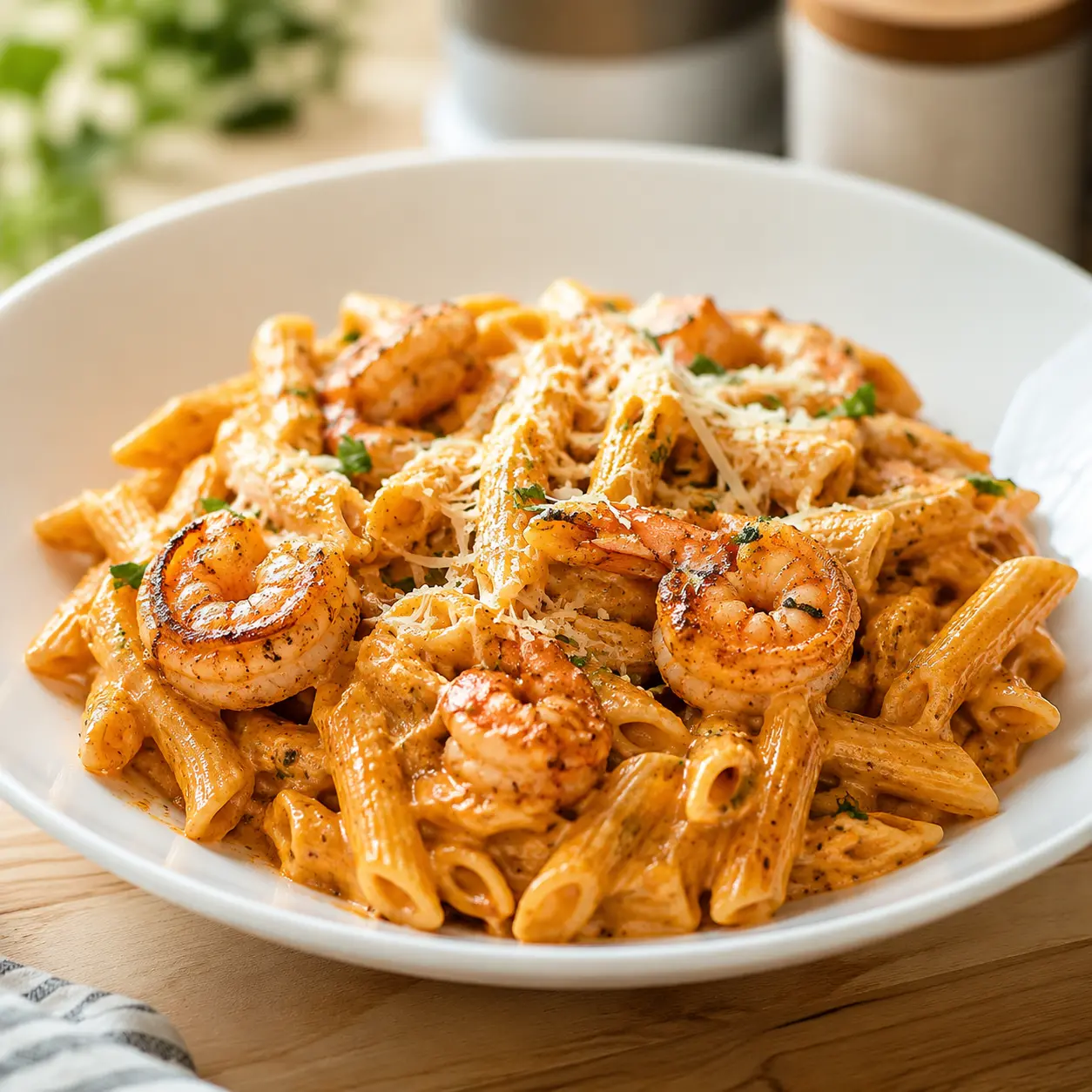
This is the dinner that makes people say “wait, you made this?” on a Tuesday. And you know what? You did. You’re about to feel like a rockstar, and you deserve every bit of it.
If you try this recipe, I’d love to hear how it goes. Save this Cajun shrimp pasta to your dinner board on Pinterest so it’s waiting for you on your next chaotic weeknight.
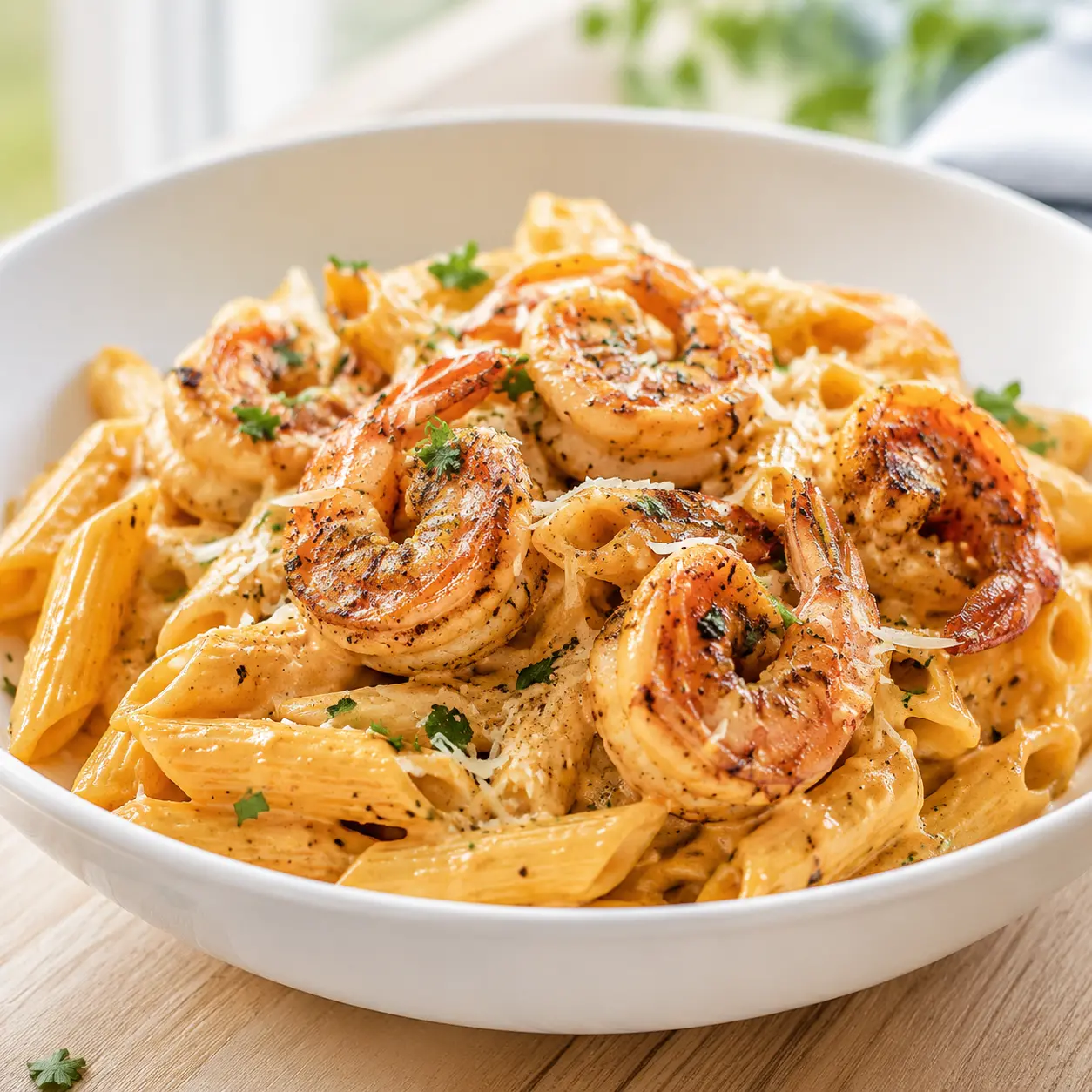
Creamy Cajun Shrimp Pasta
Ingredients
Method
- In a mixing bowl, toss the raw shrimp with the Cajun seasoning and olive oil until evenly coated.
- Add the kosher salt to a large pot of water and set it over high heat to bring to a boil. While that water comes up to temperature, preheat a wide skillet over medium-high heat.
- Drop the penne into the boiling salted water and cook to al dente. Scoop out at least 1/2 cup of the starchy pasta water before draining, then drain the pasta and set it aside.
- Right after adding the pasta to the water, melt the butter in the hot skillet. Lay the seasoned shrimp in a single layer and sear until golden brown on both sides, flipping just once; work in two batches if necessary to avoid crowding. Transfer the cooked shrimp to a plate, then lower the skillet heat to medium.
- Pour the heavy cream into the same skillet, using a flat wooden spatula to scrape up any browned bits stuck to the bottom. Let the cream bubble around the edges, then turn the heat to low and stir in the Parmesan until it melts into a smooth sauce.
- Return the pasta and shrimp to the skillet and toss to coat evenly. If the sauce is too thick, add the reserved pasta water one tablespoon at a time until it reaches the consistency you like. Taste and season with extra salt if needed.
Nutrition
Notes
Tried this recipe?
Let us know how it was!Frequently Asked Questions
Source: Learn More About This Dish
Can I use a different type of pasta for Cajun Shrimp Pasta?
Absolutely. Penne is my go-to because the ridges grab the sauce, but any pasta works. Long noodles like fettuccine or linguine are classic choices, and short shapes like farfalle or rotini hold the creamy cajun sauce just as well. Just cook it al dente.
How spicy is Cajun Shrimp Pasta?
It has a bold, smoky warmth with a gentle kick rather than full-on heat. The level depends entirely on your Cajun seasoning blend. Start with 1 tablespoon, taste, and add more if you want more fire. For kids, use a mild blend or cut back the cayenne.
Can I substitute the shrimp with another protein?
Yes. Flattened, tenderized chicken breast or wild-caught scallops are my favorite swaps. Season them the same way and sear them in the hot skillet until cooked through. Adjust the cooking time based on the protein, and the creamy cajun sauce works exactly the same.
Can I make Cajun Shrimp Pasta ahead of time?
You can prep components ahead: season the shrimp and keep it chilled for a day, or grate your Parmesan in advance. But the full dish is best served right away. Cream sauce thickens as it sits, so if you must make it ahead, reheat gently with extra cream or pasta water.
Can I make my own Cajun seasoning?
Sure. Whisk together smoked paprika, oregano, thyme, garlic powder, onion powder, cayenne pepper, and black pepper. Skip the salt so you control the sodium. Store it in an airtight jar and it’ll keep for months. That also gives you full control over the heat.
Can I make Cajun Shrimp Pasta dairy-free?
Yes. Swap the heavy cream for full-fat canned coconut milk and use a dairy-free Parmesan alternative. The sauce will be slightly less rich but still creamy and smooth. Just keep the heat low and stir gently so it doesn’t separate.
Can I add extra vegetables to Cajun Shrimp Pasta?
Definitely. Sauté sliced mushrooms, zucchini, asparagus, green beans, broccoli, or corn in the skillet before adding the cream. They’ll soak up all that spicy, cheesy sauce. Bell peppers and onions are a classic addition too, just give them a few extra minutes to soften.
Can I freeze Cajun Shrimp Pasta?
Yes, for up to 3 months. Cool it completely first, then transfer to a freezer-safe bag and press it flat before sealing. Thaw overnight in the refrigerator, then reheat gently on the stovetop with a splash of cream or pasta water to restore the sauce.
How can I make Cajun Shrimp Pasta less spicy?
Use less Cajun seasoning, starting with 1 tablespoon instead of 2, and pick a mild blend with minimal cayenne. You can always add more heat after tasting, but you can’t take it out. Serving it with crusty bread or a crisp salad also helps cool things down.
What can I serve with Cajun Shrimp Pasta?
A crisp green salad with lemony vinaigrette is my top pick. Crusty sourdough is great for soaking up the sauce, and grilled or roasted vegetables like asparagus or zucchini round out the meal. Keep the sides light so the pasta stays the star.
Can I make cajun shrimp pasta without cream?
You can, but it won’t be the same silky dish. For a lighter version, swap the heavy cream for half and half, though the sauce will be thinner. For a dairy-free route, full-fat coconut milk keeps it creamy. Just keep the heat low so it doesn’t separate.
Can this be made in advance?
The parts can: pre-season the shrimp and store it chilled for up to a day, and grate the Parmesan ahead. The assembled dish is best fresh out of the pan. If you do make it ahead, reheat low and slow with a splash of liquid to bring the sauce back to life.
Can I use pre-cooked shrimp?
Technically yes, but I wouldn’t. Pre-cooked shrimp turns rubbery when you reheat it in the sauce. Raw shrimp sear up juicy and sweet in just a couple of minutes, and that golden crust is half the flavor. If you’re stuck with cooked shrimp, add them at the very end just to warm through.
Can you freeze Cajun shrimp pasta?
Yes, up to 3 months. Freeze it flat in a freezer bag, thaw it overnight in the fridge, and reheat gently on the stove. A splash of cream or pasta water brings the sauce back to its glossy self. Just know the texture of the shrimp will soften a little after freezing.
Can I use frozen shrimp?
Absolutely. Thaw frozen raw shrimp overnight in the fridge or under cold running water, then pat them very dry before seasoning. Extra moisture is the enemy of a good sear, so take the extra few seconds to really dry them off.
Can I make this gluten-free or dairy-free?
For gluten-free, use any good gluten-free pasta and cook it al dente. For dairy-free, swap the heavy cream for full-fat canned coconut milk and use a dairy-free Parmesan. The sauce will be slightly leaner but still rich and creamy. Both swaps work without changing the technique.