
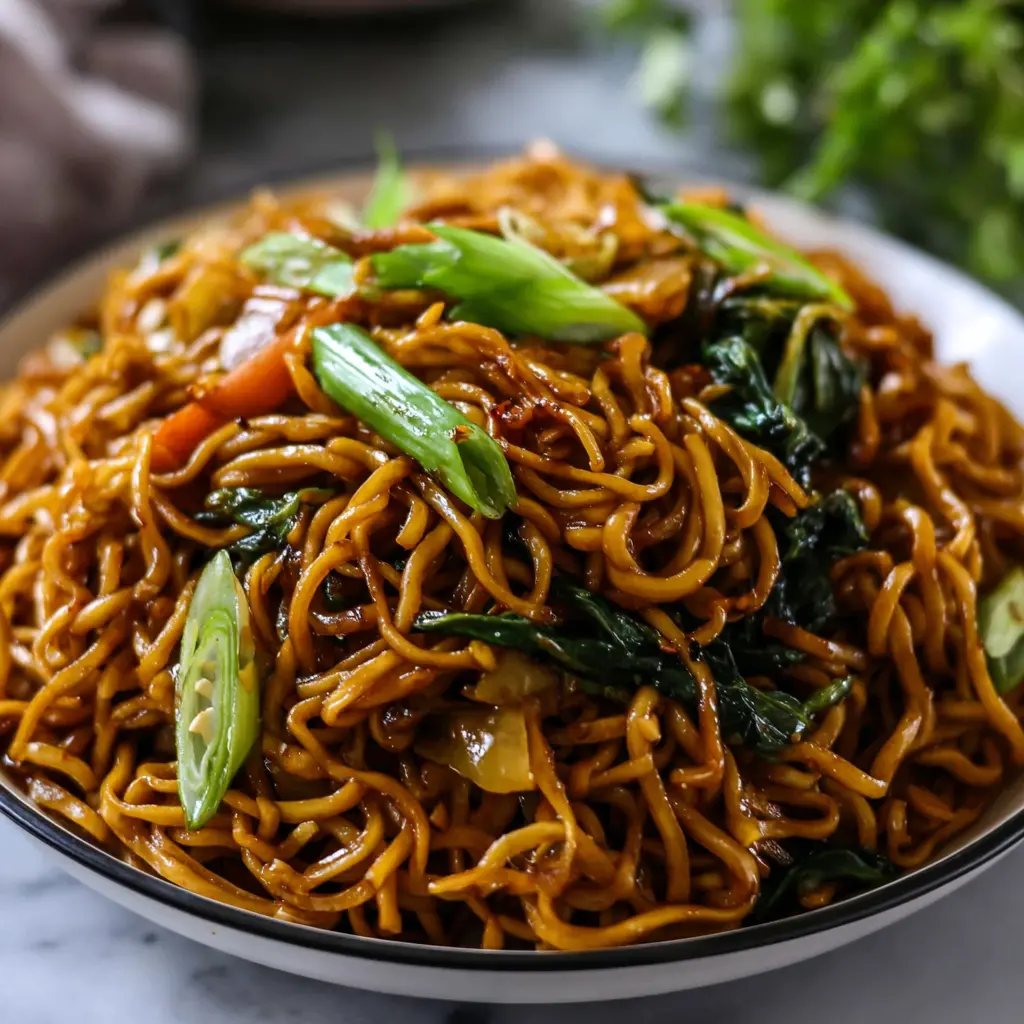
Why This Easy Chow Mein Recipe Works
I used to order chow mein every single week because I thought it was too hard to make. I was so wrong. Like, embarrassingly wrong. The first time I tried making it at home, I used the wrong noodles total disaster. They turned into a sticky, gluey mess. But after a few tries (and a lot of takeout containers in the trash), I figured it out.
This easy chow mein is the result. It comes together in literally 20 minutes. You don’t need a wok, you don’t need a dozen fancy ingredients, and you definitely don’t need a culinary degree. Just a skillet, some fresh veggies, and a couple of pantry staples. And the best part? It tastes exactly like the takeout version maybe even better, because you control the salt and the crunch.
If you’re a busy parent like me, or just someone who wants a quick weeknight dinner without a ton of cleanup, this one’s for you. My kids actually eat the veggies without complaining. I know, I couldn’t believe it either.
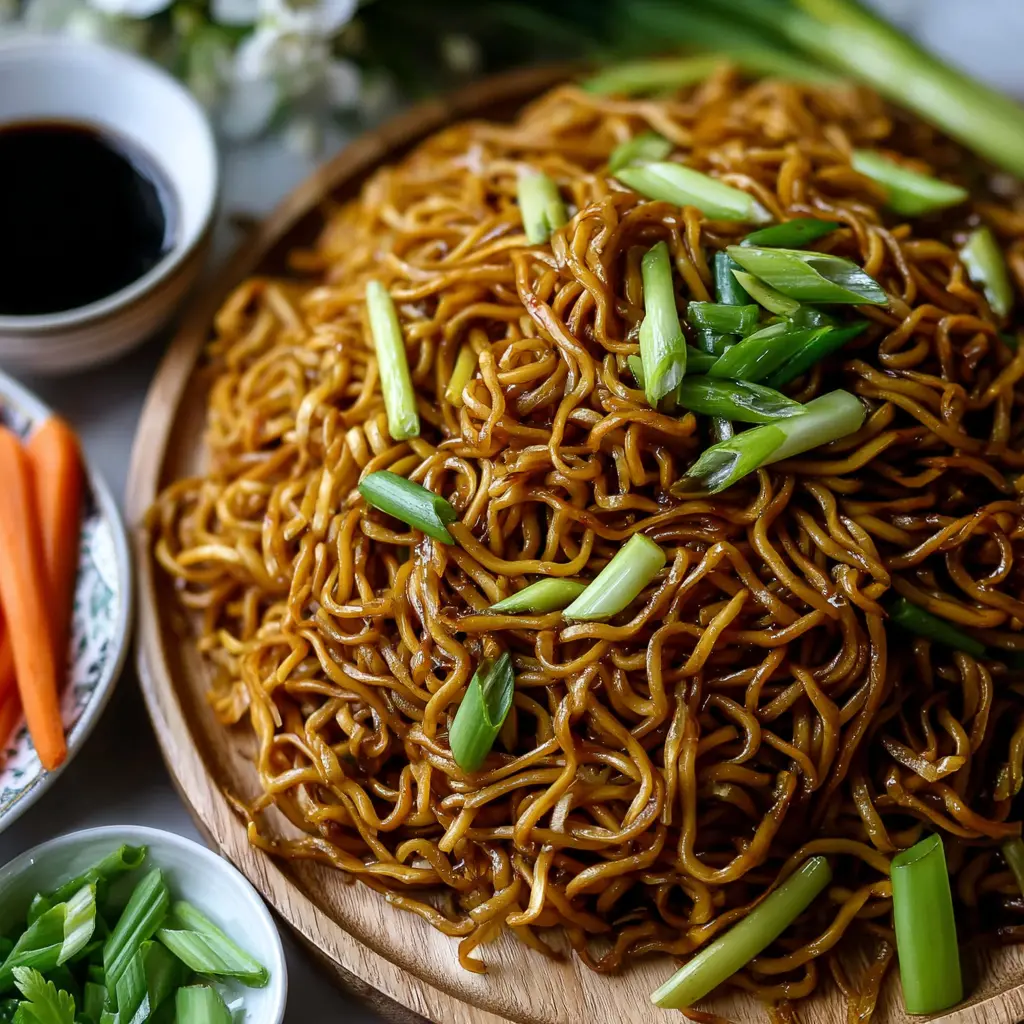
Ingredients You’ll Need
Here’s the thing about this recipe it uses ingredients you probably already have in your fridge and pantry. I’m all about pantry staple dinners, and this one checks every box.
- Vegetable oil – any neutral oil works. Canola, grapeseed, even avocado oil. Just not olive oil (too strong a flavor for this).
- Sliced carrots and celery – I slice them thin, like matchsticks. They add that classic crunch and a little sweetness.
- Fresh bean sprouts – these are non-negotiable for texture. They stay crisp and add a fresh, watery pop.
- Sliced scallions (green onions) – both the white and green parts go in. The whites add a mild onion kick, the greens are for color.
- Pre-cooked chow mein noodles – the key to speed. You can find them in the refrigerated section at most supermarkets. I’ll talk more about noodles in a sec.
- Low-sodium soy sauce – please use low-sodium. You can always add more salt later, but you can’t take it out.
- Oyster sauce – this is the secret to that savory, slightly sweet takeout flavor. Don’t skip it.
That’s it. Seven ingredients. No ginger, no garlic (I know, surprising, right? But trust the process). The sauce is just two ingredients, and it’s perfect.
Best Noodles for Easy Chow Mein
Okay, let’s talk noodles because this is where people mess up. I’ve done it myself. The first time I made this easy chow mein, I grabbed dried spaghetti from the pantry. Mistake. Huge mistake. It turned into a sticky, pasty thing that looked nothing like chow mein.
For this recipe, you want pre-cooked chow mein noodles. They’re usually in the produce section or the refrigerated Asian foods aisle. They look like thick, yellow spaghetti and they’re already cooked, so you just need to heat them through. If you can’t find them, lo mein noodles work great too. Or even yakisoba noodles (look for them near the tofu).
What about dried noodles? You can use dried lo mein noodles, but you’ll need to cook them first according to the package, then drain and rinse. Don’t overcook they should be chewy, not mushy. And if you’re in a real pinch, thin spaghetti or linguine can work, just boil them until al dente and toss them with a little oil before stir-frying. But honestly, the pre-cooked noodles are the way to go. They’re already separated and ready to go, which makes this a true fast stir fry.
How to Make Easy Chow Mein
This whole process takes about 10 minutes of cooking. I’m not even kidding. Here are the four stages each one builds on the last. And don’t worry, I’ll tell you exactly what to look for.
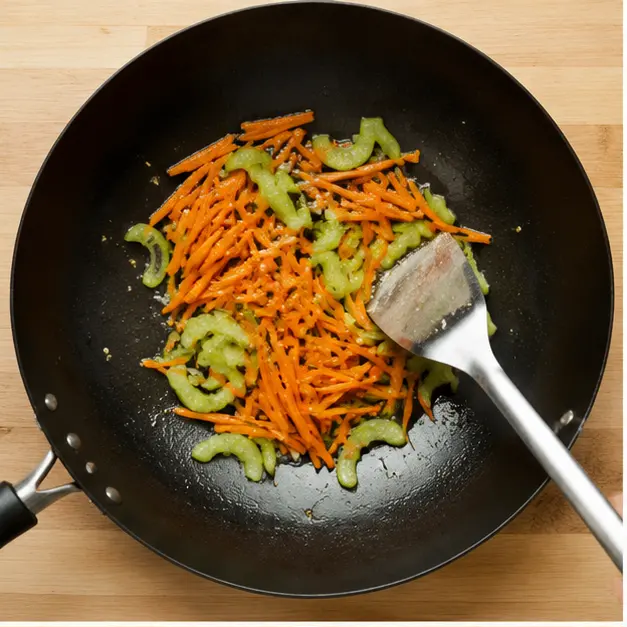
Stage 1: Sauté the Hard Veggies
Set a large skillet or wok over medium-high heat and add the vegetable oil. Wait until it shimmers that sizzle sound when you flick a drop of water in. Toss in the sliced carrots and celery. You’ll hear that immediate ssss as they hit the hot oil. That’s the sound of a good stir fry. Stir-fry for 2 to 3 minutes, until they start to soften but still have some bite. You want them crisp-tender, not limp.
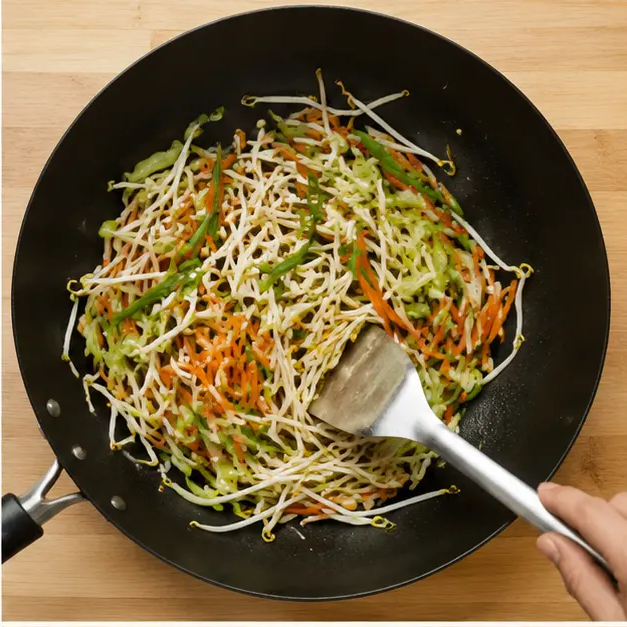
Stage 2: Add the Quick-Cooking Veggies
Now add the bean sprouts and sliced scallions. Cook for another minute, stirring constantly. The bean sprouts will release a little moisture, and that’s fine. You’ll smell the fresh, grassy aroma. Keep everything moving so nothing burns.
Stage 3: Toss in the Noodles
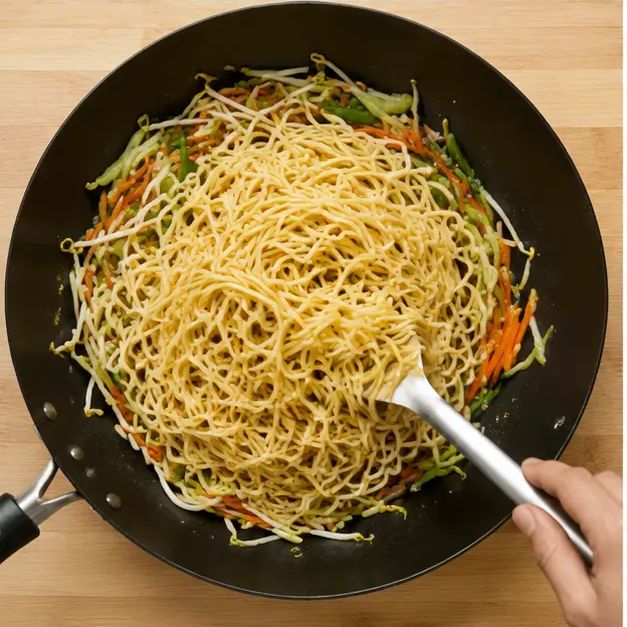
Add the pre-cooked chow mein noodles. Use tongs or two spatulas to toss everything together. The noodles will start to pick up the color from the soy sauce soon, but right now we’re just combining. Toss until the noodles are well mixed with the veggies. If the noodles clump, don’t panic just keep tossing and they’ll separate as they heat up.
Stage 4: Add the Sauce and Finish
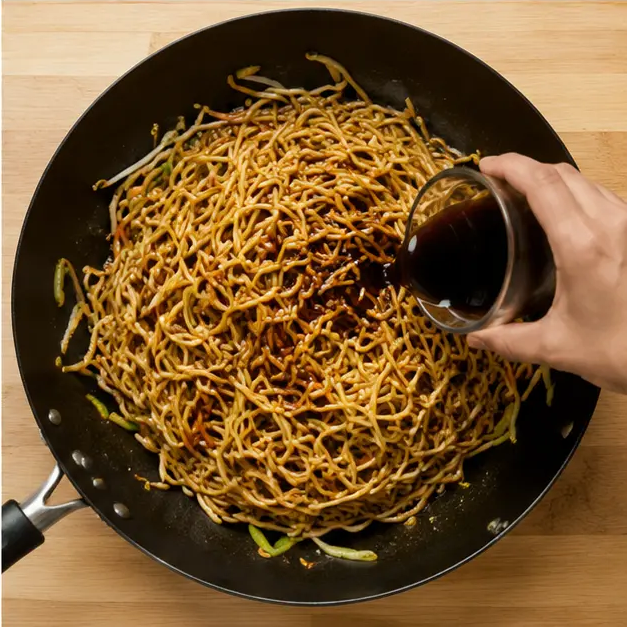
Drizzle the low-sodium soy sauce and oyster sauce over the noodles. Keep tossing! The sauce will sizzle and coat everything. Continue for about 2 minutes, until the sauce is evenly distributed and the noodles are heated through. You’ll see the noodles take on that beautiful glossy brown color. The aroma of soy sauce and oyster sauce fills the kitchen heavenly. Serve immediately while it’s hot and the veggies are still crisp.
Ingredient Substitutions and Variations
One of the best things about this easy chow mein is how flexible it is. You can swap things based on what you have or what your family likes. Here’s what I’ve tested and loved:
- Protein: Want to make it a full meal? Add cooked chicken, shrimp, beef, or tofu. Stir-fry the protein first, remove it, then follow the recipe as written, and add it back at the end. Easy.
- Vegetables: Use whatever’s in the fridge. Bell peppers, snap peas, broccoli florets, mushrooms, bok choy, water chestnuts all work. Just remember to cut them into small, even pieces so they cook quickly.
- Sauce variations: No oyster sauce? Swap in hoisin sauce for a vegan version, or just use extra soy sauce plus a pinch of sugar. No biggie. Want heat? Add a drizzle of chili garlic sauce or a sprinkle of red pepper flakes when you add the sauce.
- Noodles: As I mentioned, lo mein, yakisoba, or even cooked spaghetti can work. Just make sure they’re cooked al dente and drained well.
- Shortcut: Use a bag of coleslaw mix (shredded cabbage and carrots) instead of slicing your own. Totally works and saves time.
This easy stir fry recipe is basically a template. Once you know the technique, you can make it a hundred different ways.
Recipe Tips for Perfect Chow Mein
I’ve made this dish more times than I can count, and I’ve learned a few things the hard way. Here are my best tips so you avoid my mistakes:
- Prep everything before you start. This is a fast stir-fry once you turn on the heat, you don’t have time to chop. Slice all the veggies, measure the sauce, and have the noodles ready.
- Use a large pan. A crowded pan means steaming instead of stir-frying. Use the biggest skillet or wok you have. If you need to, cook in batches.
- Don’t overcook the noodles. They’re already pre-cooked. You just need to heat them through. Too long and they get mushy.
- Keep the veggies crisp. They should still have a crunch. The bean sprouts especially should stay firm.
- Add a tiny drizzle of sesame oil at the end if you have it. It’s not in the recipe, but it adds a wonderful nutty depth. Just a few drops.
- Taste and adjust. Everyone’s soy sauce and oyster sauce are a little different. Give it a quick taste before serving and add a pinch of sugar if it needs balance.
These tips will help you get that takeout at home quality every single time.
Frequently Asked Questions
How to Store and Reheat Leftovers
If you have leftovers (unlikely, but possible), store them in an airtight container in the fridge for up to 3 days. The noodles will soften a bit, but they’re still delicious.
To reheat, I recommend a skillet over medium heat with a teaspoon of water or broth. Toss until heated through about 3 minutes. The moisture will bring back some of the original texture. You can also microwave, but the noodles will be softer. Either way, it’s still a great quick meal prep option for busy weeknights.
I don’t recommend freezing this dish because the vegetables get mushy and the noodles lose their chewiness. But if you’re meal prepping, you can prep the veggies and sauce ahead of time, and cook fresh each night.
Conclusion: You’ve Got This!
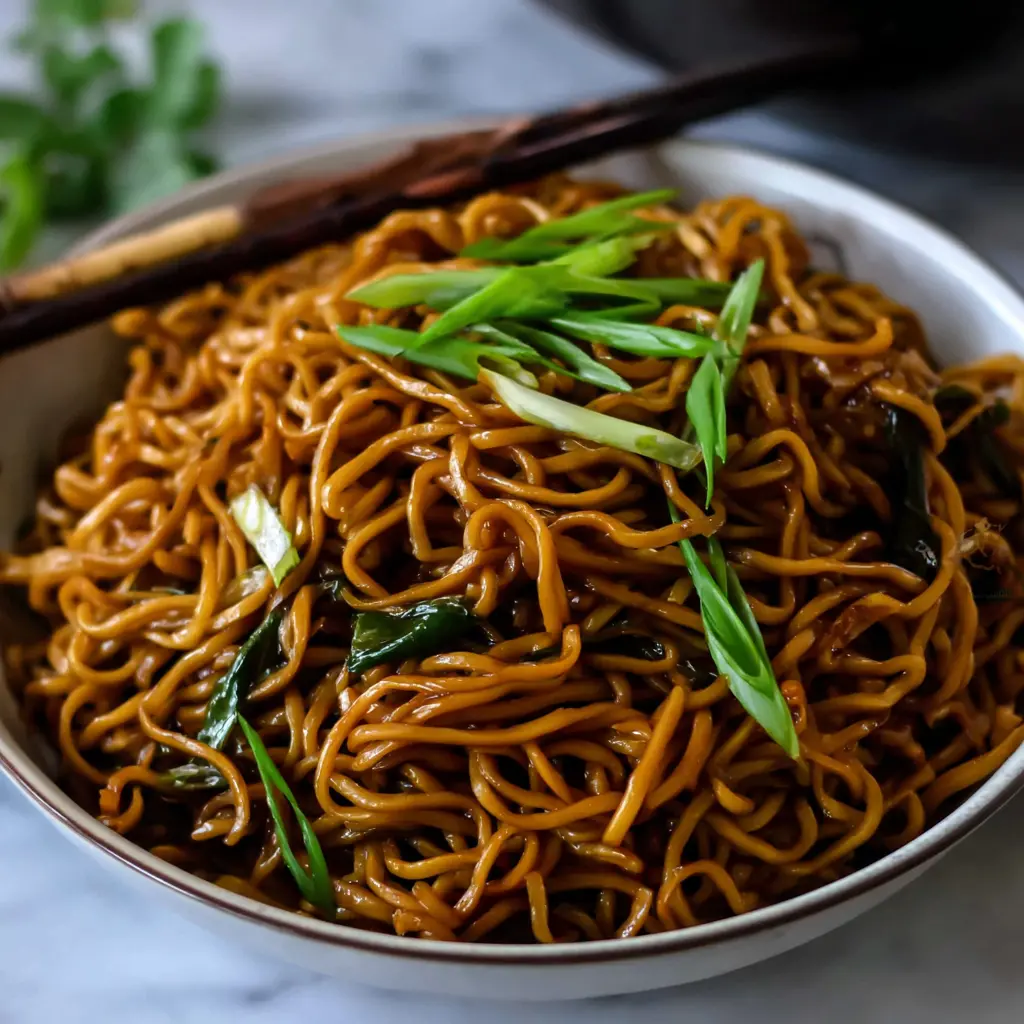
Honestly, I never thought I’d make chow mein at home that could compete with takeout. But this easy chow mein proved me wrong. It’s fast, it’s forgiving, and it makes the whole kitchen smell amazing. The first time I made it for my family, my husband said, “This is better than Panda Express.” That’s a win in my book.
So go ahead try it tonight. When you make this (and you WILL), come back and tell me how it went! Tag me on Pinterest or leave a comment. I’d love to hear about your variations too. And if you’re looking for more easy weeknight dinners, I’ve got plenty. Just follow along!
Here’s a little inspiration board: Follow me on Pinterest for more quick meal ideas. I pin all my favorites there.
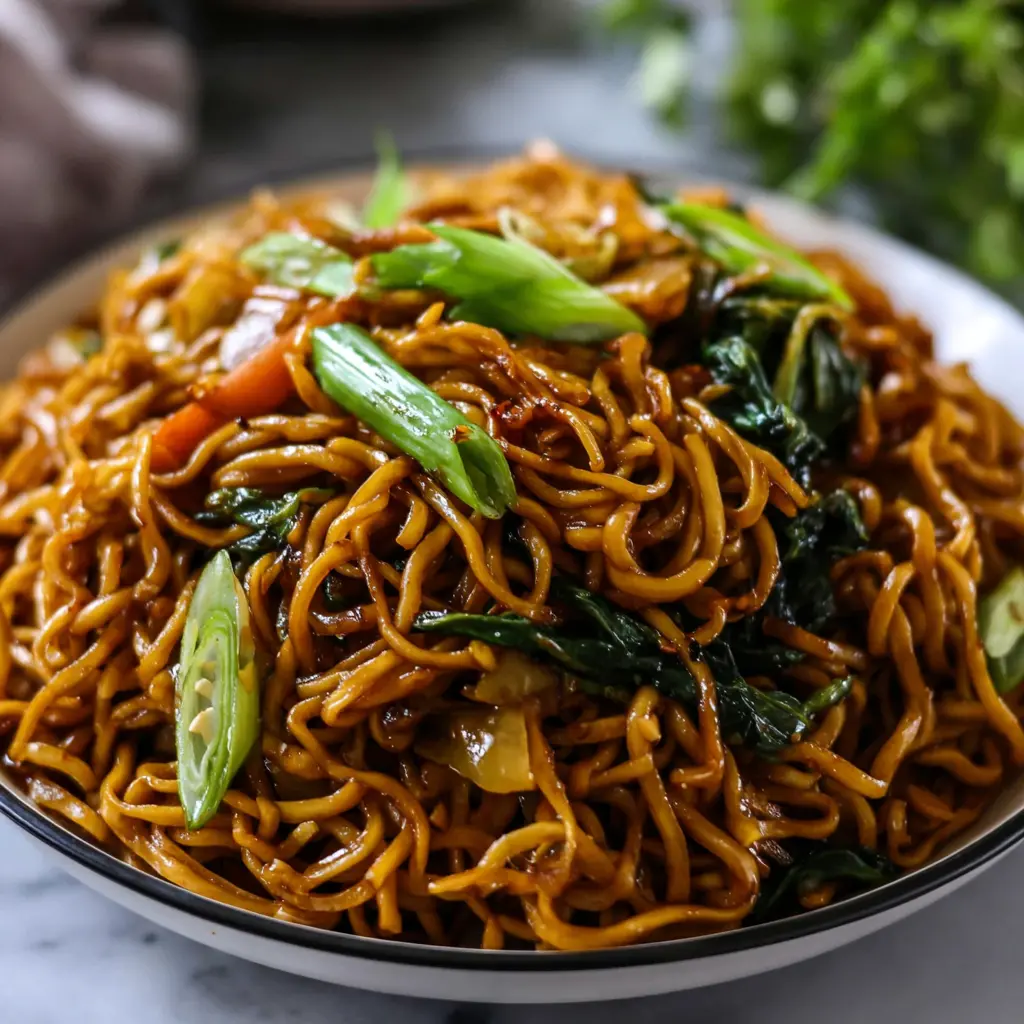
Easy Chow Mein: Quick 20-Minute Stir-Fry
Ingredients
Method
- Set a large skillet over medium-high heat and add the vegetable oil.
- Toss in the sliced carrots and celery, then stir-fry for 2 to 3 minutes, until they start to soften.
- Add the bean sprouts and sliced scallions, and cook for another minute, stirring constantly.
- Add the cooked chow mein noodles and toss everything together until well combined.
- Drizzle the soy sauce and oyster sauce over the noodles, and continue tossing for about 2 minutes, until the sauce is evenly distributed and the noodles are heated through.
Nutrition
Notes
Tried this recipe?
Let us know how it was!Source: Learn More About This Dish
What’s the difference between lo mein and chow mein?
The biggest difference is texture. Chow mein noodles are stir-fried until they’re slightly crispy on the outside but chewy inside. Lo mein noodles are boiled and then tossed with sauce, so they’re softer. For this easy chow mein, we’re going for that chewy, slightly caramelized noodle.
Is Panda Express Chow Mein the same as lo mein?
Not exactly. Panda Express chow mein uses thick, chewy noodles stir-fried with vegetables and a savory sauce, similar to this recipe. Lo mein is typically softer and uses a thicker, more abundant sauce. So this easy chow mein is actually closer to the Panda Express style quick and crisp.
Can I make this recipe more like lo mein if I want to?
Absolutely. To make it more like lo mein, double the sauce (so 4 tablespoons soy sauce and 2 tablespoons oyster sauce) and add a splash of water or broth. Cook the noodles a little longer so they absorb the sauce and become softer. You’ll end up with a saucier, more tender noodle dish.
What kind of noodles should I use for this copycat Panda Express Chow Mein?
Use pre-cooked chow mein noodles from the refrigerated section. They’re thick and slightly chewy, exactly like Panda Express. If you can’t find them, lo mein noodles or yakisoba noodles work. Avoid thin spaghetti it won’t have the same texture. For the best easy chow mein, stick with authentic chow mein noodles.
Can I add protein to this Panda Express Chow Mein?
Yes! Cook your protein first chicken, beef, shrimp, or tofu until done, then remove it from the pan. Follow the recipe as written, then add the cooked protein back in when you toss the noodles with the sauce. This keeps everything perfectly cooked and avoids overcooking the protein.
Can I use pre shredded coleslaw mix instead of chopping cabbage?
Definitely. A bag of coleslaw mix (shredded green cabbage and carrots) is a great shortcut. Just use it in place of the sliced carrots and celery. It’ll cook down a bit but still stay crisp. Saves you chopping time and makes this easy chow mein even faster.
Is this recipe spicy?
Not at all. This easy chow mein is mild and kid-friendly. There’s no chili, no hot sauce, just savory soy and oyster sauce. If you want heat, add red pepper flakes, chili garlic sauce, or a drizzle of Sriracha when you add the sauce. Easy to customize.
Is Panda Express Chow Mein gluten free?
Traditional chow mein isn’t gluten free because both soy sauce and noodles contain wheat. But you can make this recipe gluten free by using tamari or coconut aminos instead of soy sauce, and gluten-free chow mein noodles (like rice noodles or gluten-free lo mein). Check your oyster sauce label too some brands contain gluten.