
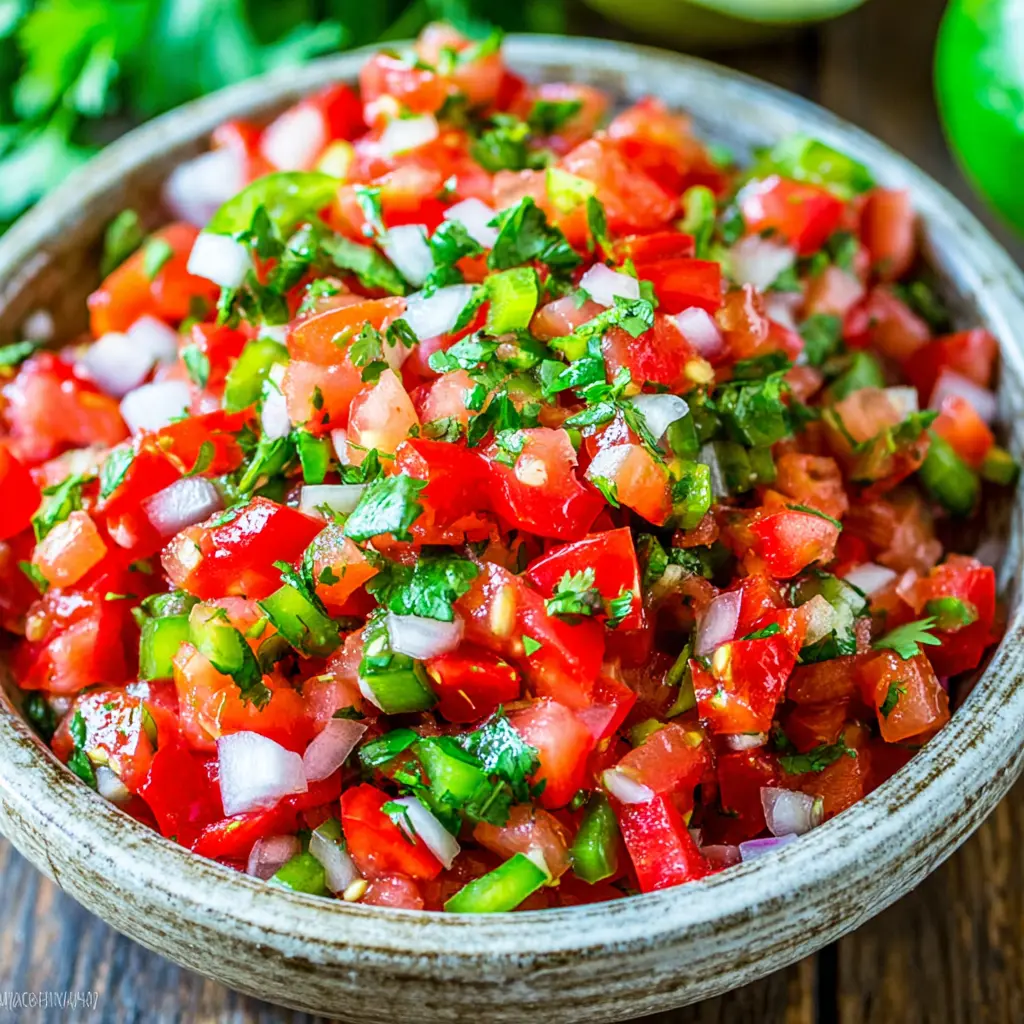
Spicy Habanero Pico de Gallo
Ingredients
Method
- In a medium bowl, combine the diced tomatoes, chopped onion, minced habanero pepper, and chopped cilantro.
- Add the lime juice, salt, and black pepper, and stir until well mixed. Taste and adjust seasoning if needed. Serve immediately or refrigerate covered overnight for deeper flavor.
Nutrition
Notes
Tried this recipe?
Let us know how it was!Why This Habanero Pico de Gallo Is Different
I once made a salsa that cleared a room. Not exaggerating. I was young, cocky, and thought I knew everything about spicy food. I chopped up three habaneros seeds and all, tossed them into a standard pico, and served it at a backyard barbecue. People took one bite and their eyes started watering. Some actually left the table. My buddy Mike called it “the salsa of regret.”
That was the day I learned that habanero pico de gallo isn’t about punishing people. It’s about balance. It’s about that fruity, almost floral heat that builds slowly and then blooms in your mouth, but never overwhelms the freshness of the tomatoes and lime. It’s about making something that makes you go “whoa” not “WHOA HELP.”
This recipe is the result of that humbling experience. It uses just one habanero for a gentle but noticeable kick. The kind of heat that makes you take another bite instead of reaching for milk. And it comes together in about fifteen minutes, no cooking required. Perfect for those hot summer days when you don’t want to turn on the stove.
So if you’ve been scared of habaneros after a bad experience or you just want to expand beyond the same old jalapeno salsa, this one’s for you. I promise it won’t clear the room.
Habanero Pico de Gallo Ingredients
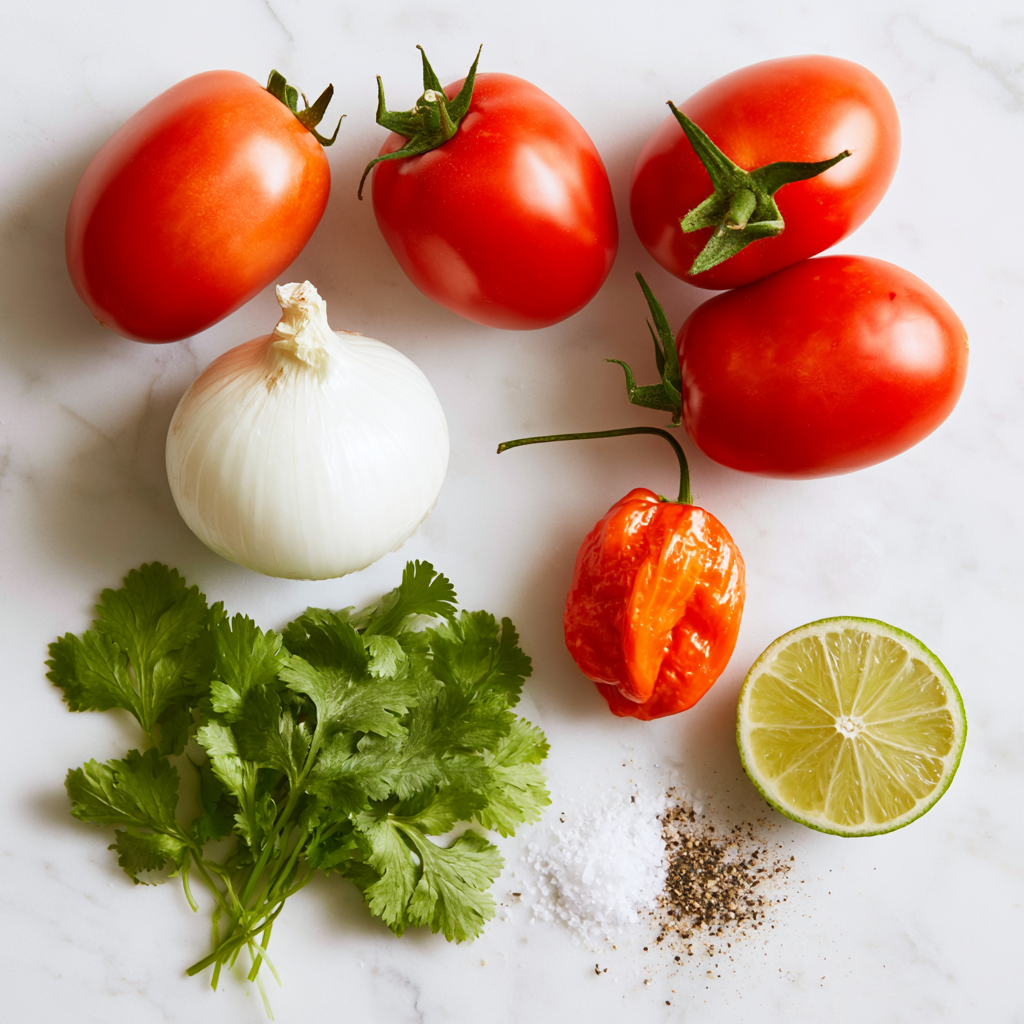
The beauty of this spicy pico de gallo is its simplicity. You don’t need a dozen obscure ingredients. Just seven fresh things, most of which you probably already have in your kitchen. Let’s talk about each one and why it matters.
Roma tomatoes are my go-to for pico. They’re meatier than other varieties with fewer seeds and less watery flesh. That means your salsa stays chunky and doesn’t turn into soup after an hour. Look for tomatoes that are firm but give slightly when you squeeze them. Deep red color, no soft spots. If you’re hitting up a farmers’ market in LA right now, you’re in luck summer tomatoes are at their peak.
White onion is traditional here. It’s sharper than yellow onion but mellows out quickly once it hits the lime juice. You want it finely chopped, not in big chunks. Nobody wants to bite into a massive raw onion piece. Half a medium onion is plenty for this batch.
Habanero pepper is the star of the show. One pepper is all you need for a pleasant heat that won’t scare away your guests. But here’s the thing about habaneros they’re not just hot. They have this incredible fruity, almost tropical flavor that you don’t get from jalapenos. It’s like the difference between a shout and a song. We’ll talk more about handling these little guys in a minute.
Fresh cilantro is non-negotiable. Half a cup chopped, stems included (they have tons of flavor). I know some people have the gene that makes cilantro taste like soap. If that’s you, I’m sorry. You can sub in flat-leaf parsley or just leave it out entirely.
Fresh lime juice from about one lime. Please don’t use the bottled stuff. The bright, clean acidity of fresh lime is what wakes up all the other flavors. It’s the difference between a good salsa and a great one.
Salt and black pepper round things out. Half a teaspoon of salt is a good starting point, but taste and adjust. Different salts have different intensities. And don’t skip the pepper it adds a subtle warmth that plays nicely with the habanero.
How to Make Habanero Pico de Gallo
Alright, let’s get into the actual making part. This is a no-cook salsa, so it’s all about prep and assembly. The whole process takes about fifteen minutes, maybe twenty if you’re being careful with the chopping. Here’s how it goes.
First, you prep your produce. Dice your Roma tomatoes into even pieces, about a quarter-inch. You want them small enough to fit on a chip but not so small they turn to mush. Chop your white onion finely. Pick the leaves off your cilantro and give them a rough chop. And cut your lime in half. This is all straightforward stuff, but take your time. The more consistent your cuts, the better the texture of your final salsa.
Now for the habanero. This is where people get nervous. And honestly, you should respect the pepper. Habaneros rank between 100,000 and 350,000 on the Scoville scale. For reference, a jalapeno is about 5,000. So yeah, these little orange guys pack a punch. But handled correctly, they’re totally manageable.
Here’s my golden rule: wear gloves. I cannot stress this enough. I once made the mistake of chopping habaneros without gloves, then rubbed my eye two hours later. It felt like someone had poured hot sauce directly into my eyeball. Don’t be me. Buy a box of nitrile gloves from the grocery store. They’re cheap and they’ll save you from a world of pain.
Cut the habanero in half lengthwise. Use a small spoon to scrape out the seeds and the white membrane (that’s the pith, and it’s where most of the heat lives). If you want a milder salsa, remove all of it. If you’re feeling brave, leave some seeds in. Then mince the pepper as finely as you can. Tiny pieces mean the heat distributes evenly throughout the salsa, so you don’t get one bite that’s nuclear and another that’s mild.
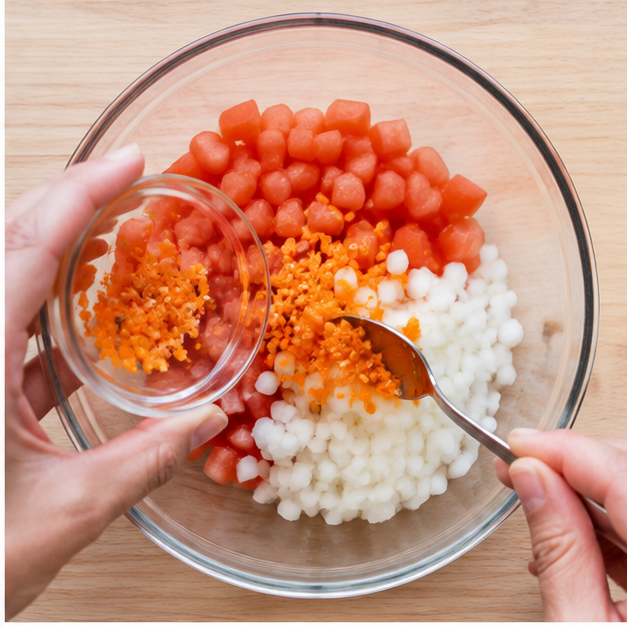
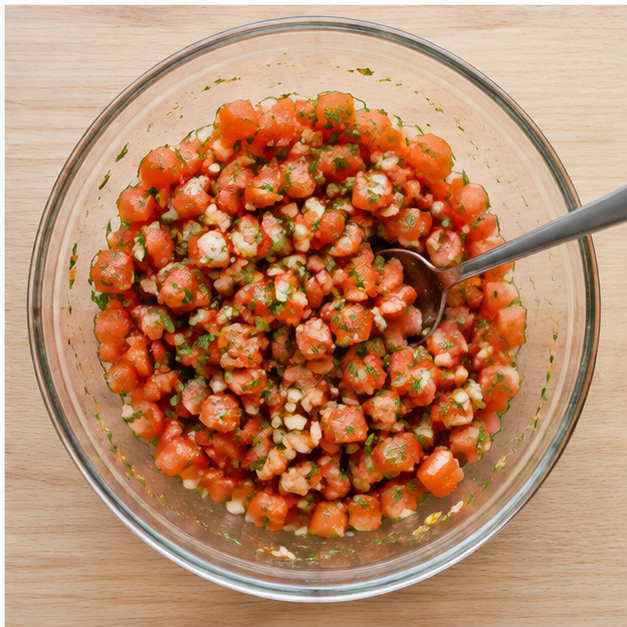
Combine everything in a medium bowl. Toss in your diced tomatoes, chopped onion, minced habanero, and cilantro. Add the lime juice, salt, and black pepper. Stir until everything is well mixed. Give it a taste. Does it need more salt? Another squeeze of lime? This is your chance to adjust.
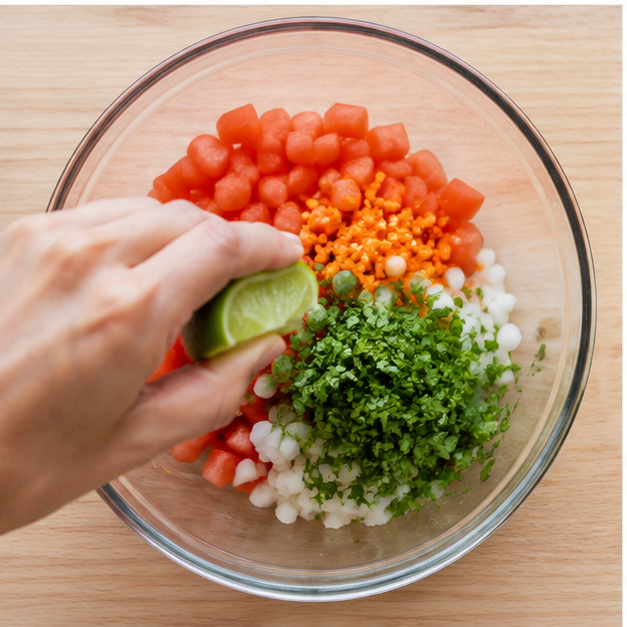
Let it rest. You can serve this immediately if you’re in a hurry. But if you have the time, let it sit in the fridge for about thirty minutes. The flavors meld together, the onion mellows out, and everything becomes more cohesive. Just remember to add the cilantro right before serving if you’re making it ahead, because it can wilt and lose its brightness.
Recipe Tips and Notes
I’ve made this habanero pico de gallo about a hundred times now, and I’ve picked up a few tricks along the way. Here are the ones that matter most.
On heat level adjustment: The single habanero in this recipe gives you a nice medium heat. But everyone’s tolerance is different. If you’re nervous, start with half a habanero. You can always add more, but you can’t take it out. And remember most of the heat is in the seeds and white membrane. Removing them completely gives you a much milder experience. If you’re a heat seeker, use two habaneros or leave some seeds in. Just know what you’re getting into.
On handling habaneros: Besides the gloves thing, cut the habanero last. That way, any residual capsaicin on your cutting board doesn’t transfer to your other ingredients. And wash your cutting board thoroughly with hot soapy water after you’re done. Some people even designate a specific board for spicy peppers. Not a bad idea.
On tomato quality: This is a fresh salsa, so the quality of your tomatoes matters more than almost anything else. If you can get vine-ripened or Roma tomatoes from a farmers’ market, do it. They’ll have more flavor and better texture. Grocery store tomatoes work fine, but avoid the ones that feel mealy or have pale flesh.
On making it ahead: This salsa actually gets better after a few hours in the fridge. The flavors marry together, the onion loses its bite, and everything becomes more harmonious. But there’s a catch the tomatoes release water over time. So if you’re making it a day ahead, store it in a colander set over a bowl. Then just drain off the excess liquid before serving. And add the cilantro fresh at the last minute.
How to Select Habanero Peppers
Picking a good habanero is easier than you think. Here’s what to look for.
Color matters. Habaneros come in orange, red, yellow, and even chocolate brown. Orange is the most common and what you’ll find at most grocery stores. Look for peppers that are bright and vibrant, not dull or wrinkled. A fresh habanero should feel firm and smooth, like a tiny bell pepper. Avoid any that have soft spots or look shriveled.
Size isn’t an indicator of heat. Small habaneros can be just as hot as large ones. The heat level depends more on growing conditions and genetics than size. So don’t try to pick a “mild” one based on appearance. Just control the heat through deseeding and quantity.
Where to find them: Most major supermarkets carry habaneros these days. In LA, you can find them at Ralphs, Vons, or Whole Foods. Trader Joe’s sometimes has them. But for the best selection and freshest peppers, hit up a Mexican market or a farmers’ market. The Santa Monica Farmers Market on Wednesdays usually has amazing produce including habaneros.
And if you can’t find habaneros? You can substitute serrano peppers for a similar heat level. Serranos are about 10,000 to 25,000 Scoville units, so you’ll need two or three to match the heat of one habanero. But you’ll miss that fruity flavor that makes habaneros special.
Serving Suggestions
This spicy pico de gallo is incredibly versatile. Here are some of my favorite ways to use it.
Tacos, obviously. This is the classic pairing. Spoon it over carne asada tacos, fish tacos, or chicken tacos. The freshness cuts through the richness of the meat and adds a bright, spicy kick. It’s also amazing on breakfast tacos with scrambled eggs.
Grilled meats. Summer is grilling season, and this salsa is perfect alongside grilled chicken, steak, or even shrimp. The acidity of the lime and the heat of the habanero complement the smoky char from the grill. I love serving it with grilled skirt steak and warm tortillas.
As a dip. Obviously, it’s great with tortilla chips. But try it with crunchy jicama sticks or cucumber slices for a lower-carb option. It’s also fantastic on top of guacamole or mixed into refried beans.
On eggs. A spoonful of this on top of scrambled eggs or an omelet is a game-changer. It adds freshness and heat to your morning routine. I’ve been known to eat it with huevos rancheros on lazy weekend mornings.
Burgers and sandwiches. Use it as a topping instead of ketchup or mustard. It adds moisture, acidity, and heat. Try it on a black bean burger or a grilled chicken sandwich. You’ll never go back.
As a marinade base. Blend this pico with a little olive oil and use it as a marinade for chicken or fish. The enzymes in the lime juice help tenderize the meat, and the habanero adds flavor and heat. Just don’t marinate for more than a few hours, or the acid can start to cook the meat.
Storage and Make-Ahead Tips
Fresh pico de gallo is best within the first day or two. But here’s how to make it last and stay tasty.
Refrigerate in an airtight container. It’ll keep for up to three days. After that, the tomatoes start to break down and the texture gets mushy. The flavor might still be okay, but it won’t be as nice to eat.
Drain excess liquid before serving. As the salsa sits, the tomatoes release water. This is normal. Just pour off the liquid or use a slotted spoon to serve. Some people even save that liquid for adding to soups or salad dressings. It’s basically spicy tomato water, and it’s pretty great.
Add cilantro fresh. If you’re making this ahead, hold back the cilantro until you’re ready to serve. Chopped cilantro wilts and darkens after a few hours. Adding it fresh keeps the salsa looking bright and tasting vibrant.
Don’t freeze it. I know some people ask about this. But fresh pico de gallo doesn’t freeze well. The tomatoes turn to mush when thawed, and the texture is just not pleasant. If you want to preserve habanero flavor for later, make a habanero hot sauce or freeze just the chopped peppers. But not the whole salsa.
Canning? Also not recommended for this recipe. Pico de gallo is a fresh salsa, not a cooked one. The acidity level isn’t high enough for safe water bath canning, and the texture would be completely ruined. Stick to fresh. It’s what this recipe is meant to be.
Frequently Asked Questions
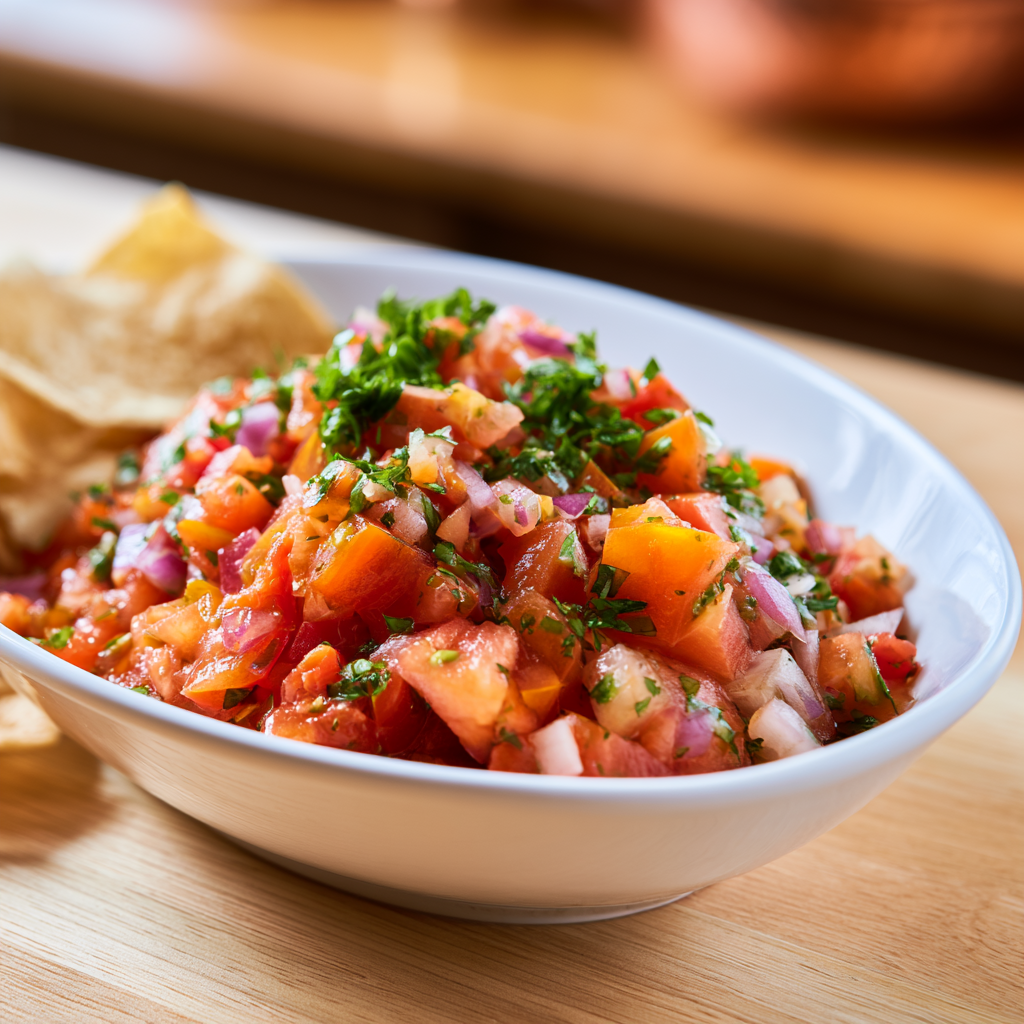
So there you have it. A habanero pico de gallo that’s approachable, fresh, and full of flavor. No more room-clearing incidents. Just a beautiful, spicy salsa that makes everything better. I hope you give it a try and fall in love with that fruity habanero heat as much as I have.
If you make this, I’d love to hear about it. Tag me in your photos or leave a comment below. Did you adjust the heat? Add extra lime? Serve it with something unexpected? Let me know. And if you’re looking for more spicy salsa recipes, check out my Pinterest board where I pin all my favorites.
Source: Nutritional Information
What does habanero pineapple salsa taste like?
That’s a different recipe, but the flavor profile combines sweet pineapple with the fruity heat of habanero. It’s tropical and spicy at the same time. For this habanero pico de gallo, you get pure fresh tomato flavor with a bright, building heat from the habanero and acidity from the lime.
Can I use this recipe for canning?
I wouldn’t recommend it. This is a fresh, no-cook salsa, and the texture won’t survive the canning process. The tomatoes turn mushy, and the flavor changes significantly. If you want to preserve habaneros, make a fermented hot sauce or freeze the peppers individually. But this pico is best enjoyed fresh within a few days.
Can I freeze this recipe?
Freezing is not ideal. The tomatoes release a lot of water when thawed, leaving you with a watery, mushy salsa. The fresh flavors of cilantro and lime also degrade. If you have leftover pico, just keep it in the fridge for up to three days. It’s better to make a smaller batch than to freeze it.
What is the difference between pico de gallo and salsa?
Great question. Pico de gallo is a type of salsa, but it’s distinct because the ingredients are chopped and left chunky, not blended or pureed. It’s also called salsa fresca because it’s served raw and fresh. Traditional salsa can be cooked, blended, or have a smoother texture. Pico is all about those fresh, distinct pieces of tomato and onion.