
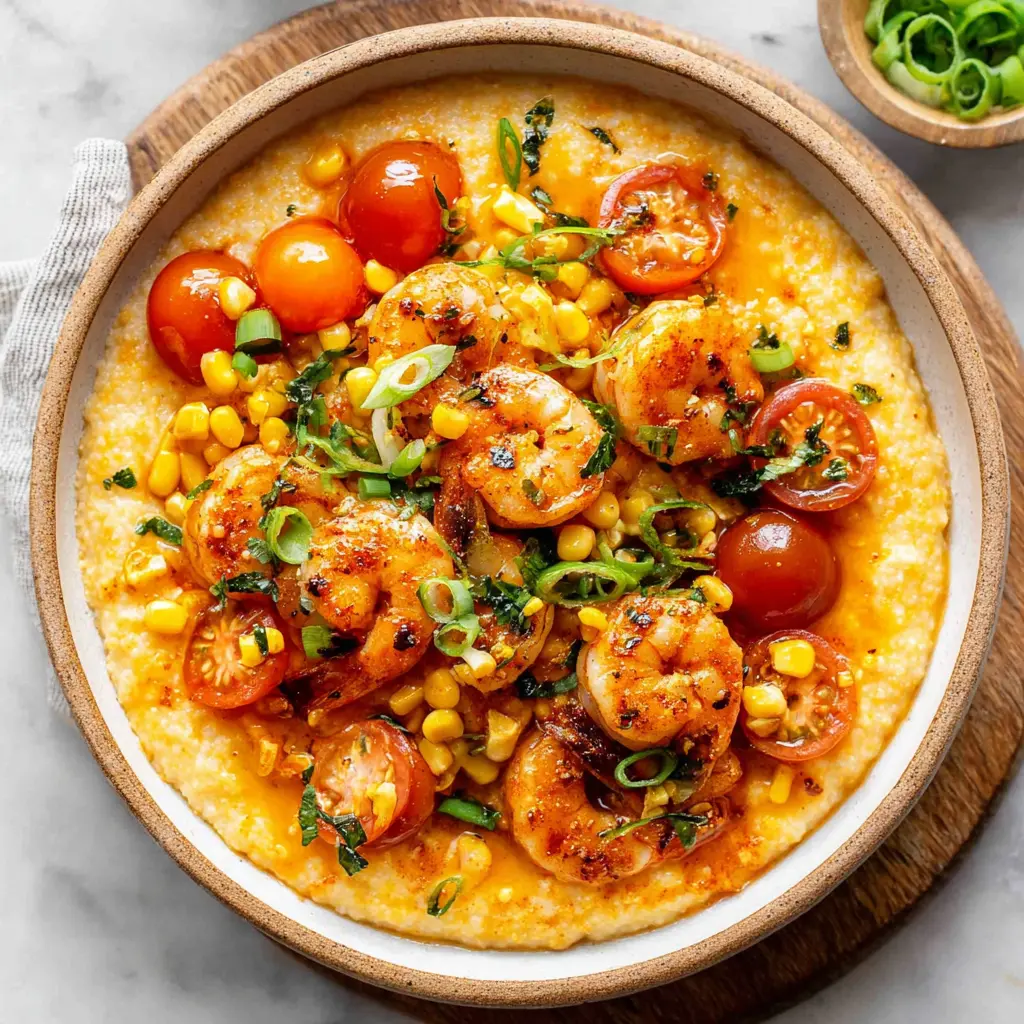
You know that feeling when you’ve had a long day and all you want is something so comforting, so deeply satisfying, that it feels like a hug in a bowl? For me, that dish is shrimp and grits. Not just any version, though. I’m talking about the kind where the grits are creamy and cheesy, the shrimp are perfectly spiced with a little char, and the sauce brings it all together in one glorious, savory spoonful.
I used to be intimidated by this dish. I thought it was one of those things you only order at a fancy brunch spot or a Low Country seafood joint. My first few attempts at home? Let’s just say the grits were gluey and the shrimp were rubbery. It was a mess.
But I kept at it. I learned the secrets. The right kind of grits (hint: not instant). The importance of a hot pan for the shrimp. And the magic of building a quick sauce right in the same skillet. This Cajun Shrimp and Fresh Corn Grits recipe is the result of all that trial and error. It comes together in about 30 minutes, it feels ridiculously indulgent, and it uses fresh summer corn and tomatoes to make it feel a little lighter. Once you know how to make shrimp and grits the right way, you’ll never look at a weeknight dinner the same way again.
Choosing the Best Grits for Shrimp and Grits
Okay, let’s talk grits. This is the foundation of the whole dish, so getting this right matters. If you use the wrong type, your shrimp and grits will be a grainy, pasty mess instead of the creamy dream you’re after.
Here’s the breakdown of what you’ll find at the store:
- Stone-Ground Grits: These are the gold standard. They’re made from whole dried corn kernels that are coarsely ground between two stones. They have the most corn flavor and the best texture. They take longer to cook (30-45 minutes), but they’re worth it. This is what I recommend for the best shrimp and grits.
- Quick-Cooking Grits: These are stone-ground grits that have been ground more finely and partially cooked, so they cook in about 5-10 minutes. They’re a great compromise for a weeknight. The texture is still pretty good, just slightly less complex.
- Instant Grits: These are the enemy of good shrimp and grits. They’re pre-cooked and dehydrated into tiny flakes. They turn into a gluey paste with almost no corn flavor. Just walk past them.
For this recipe, I use yellow corn grits (not instant). They cook up in about 10 minutes, which is perfect for a quick dinner. Yellow grits have a slightly sweeter, richer corn flavor than white grits, and they give the dish a beautiful golden color.
How to Speed Up Cooking Stone-Ground Grits
If you go with stone-ground grits, there are a couple of tricks to speed things up without sacrificing texture.
First, soak ’em. The night before or even in the morning, cover your grits with water and let them hang out in the fridge. This softens the hard starch granules and can cut the cooking time by damn near half. When you’re ready to cook, just drain them, add fresh water or milk, and proceed.
Second, the whisking technique. Don’t just dump the grits in the pot and walk away. Whisk them into the boiling liquid slowly. That constant motion prevents lumps from forming. Then, switch to a wooden spoon and stir every few minutes. The stirring releases the natural starches, which is what makes the grits creamy and thick without being gluey.
Third, low and slow wins the race. Once they’re at a gentle simmer, keep the heat on low. A hard boil will evaporate the liquid too fast and make the grits seize up. You want a lazy bubble.
For this specific recipe, the quick-cooking grits work beautifully in the time frame we’re working with, but if you have the foresight and the extra 20 minutes, stone-ground grits will make your shrimp and grits absolutely sing.
Selecting the Right Shrimp
Shrimp is the star of the show here, so you want to pick good ones. But you don’t need to spend a fortune.
Fresh vs. Frozen: Unless you live right on the coast, your “fresh” shrimp at the grocery store was probably previously frozen and thawed. There’s nothing wrong with buying frozen shrimp. In fact, flash-frozen shrimp are often higher quality because they’re processed right on the boat. Just defrost them in the fridge overnight or in a bowl of cold water for 15 minutes.
Size Matters: The recipe calls for large shrimp. This is the perfect size for shrimp and grits. They’re substantial enough to feel like a main event, but they cook quickly and evenly. If you use jumbo shrimp, you’ll need to adjust the cooking time.
Peeled and Deveined: Save yourself the hassle and buy them already peeled and deveined. If they have the tails on, that’s a personal preference. I like to leave the tails on for presentation and to gnaw on, but it’s easier to eat if you take them off.
Deveining 101: If you have to devein them yourself, use a sharp paring knife to make a shallow slit along the back of the shrimp and pull out the dark vein. It’s not harmful, but it’s gritty and not pleasant to eat.
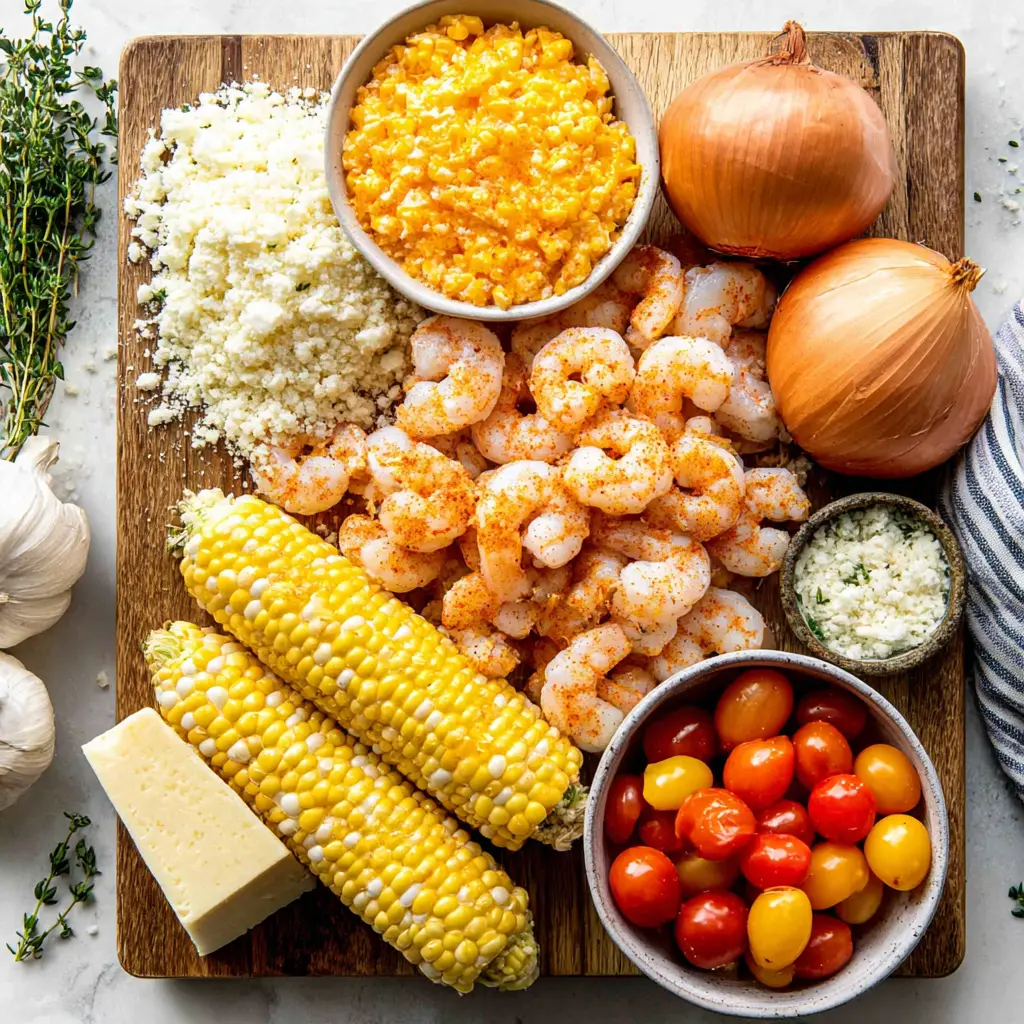
Why This Cajun Shrimp and Grits Recipe Works
This isn’t just another shrimp and grits recipe. It’s a carefully balanced combination of flavors and textures that all come together in one skillet. Here’s why it works so well:
1. The Grits are Creamy, Not Heavy.
Instead of using just water or just cream, I use a mix of water and whole milk. The milk adds richness and a silky texture without making the grits feel like a brick. The sharp white cheddar adds a tangy depth that cuts through the richness. And folding in fresh corn kernels at the end? That’s my favorite part. They add little bursts of sweetness that pop in your mouth.
2. The Shrimp are Cajun-Spiced, Not Just Salt & Peppered.
The marinade is where the magic happens. Creole seasoning, smoked paprika, fresh thyme, garlic, and shallots. It’s a punch of flavor. The smoked paprika is key, it gives the shrimp and grits that deep, smoky, almost bacon-like taste without actually using bacon. The Creole seasoning adds the heat and complexity that makes this feel like a genuine Southern dish.
3. The Sauce Comes Together in the Pan.
After you sear the shrimp, you add the tomatoes and let them blister and burst. Then you deglaze the pan with a little white wine (or chicken broth if you prefer). Those browned bits on the bottom of the skillet are pure flavor. The wine cooks off, leaving behind a bright, savory sauce that gets spooned over the grits.
4. It’s Fast.
From start to finish, you’re looking at about 35 minutes. Most of that is hands-off time while the grits cook. This makes it a realistic option for a Tuesday night when you want something special but don’t have hours to spend in the kitchen.
How to Make This Shrimp and Grits (Step by Step)
Let me walk you through the process. It’s easier than you think.
Stage 1: Marinate the Shrimp
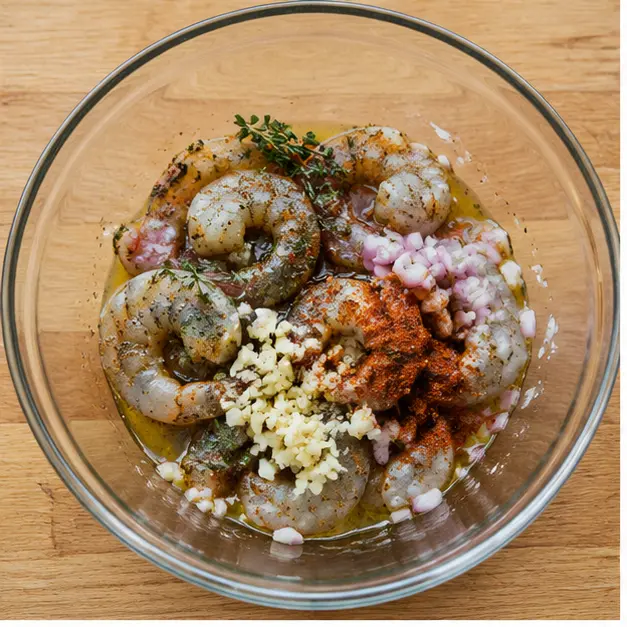
Pat the shrimp dry. This is crucial. Wet shrimp won’t sear, they’ll steam. Toss them with olive oil, shallots, garlic, thyme, Creole seasoning, and smoked paprika. Let them sit while you start the grits. This gives the flavors time to meld.
Stage 2: Cook the Grits
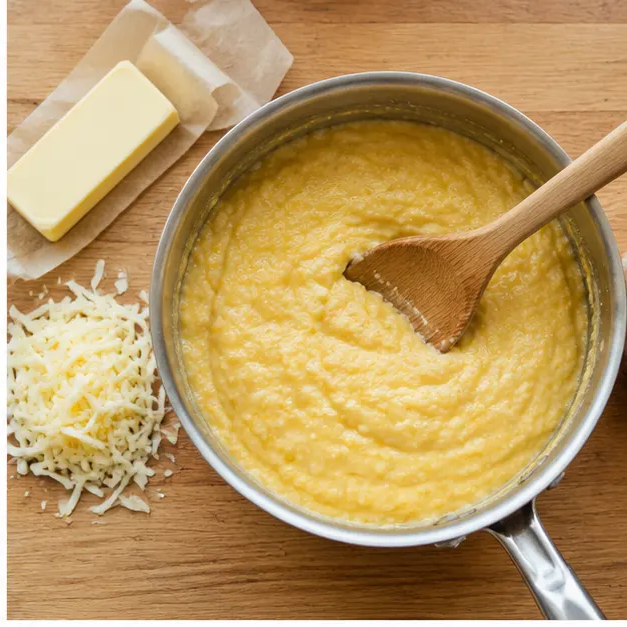
Bring the water, milk, and salt to a boil. Whisk in the grits slowly. Reduce the heat to low and cook, stirring occasionally, until they’re thick and creamy. The key here is patience. Don’t rush them. Once they’re done, stir in the white cheddar and a tablespoon of butter until melted and smooth. Fold in the fresh corn. Cover and set aside.
Stage 3: Sear the Shrimp and Tomatoes
Melt the remaining butter in a large skillet over medium-high heat. Add the shrimp in a single layer, leaving the extra marinade in the bowl. Let them cook undisturbed for 3 minutes. You want a nice golden sear on the bottom. Then add the cherry tomatoes and toss everything together. Cook for 2 more minutes until the tomatoes soften and start to burst.
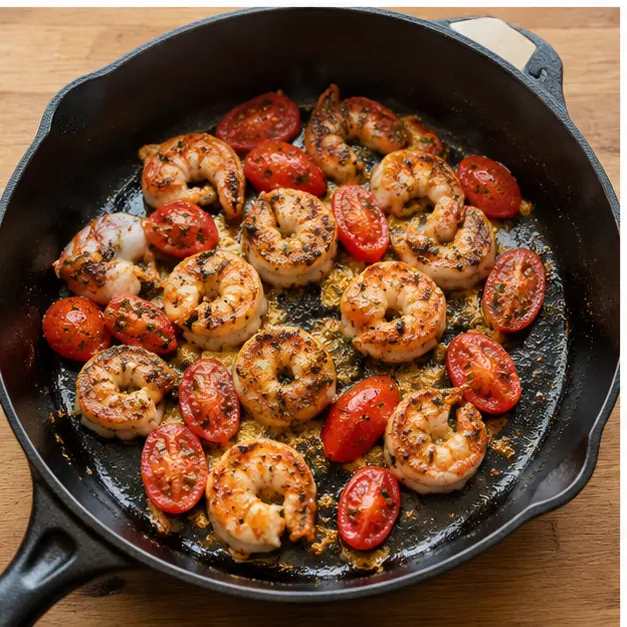
Stage 4: Build the Sauce and Serve
Pour in the white wine (or broth) and let it bubble for 1 minute, scraping up the browned bits from the bottom of the pan. This is called deglazing, and it’s where all the flavor lives. The sauce will reduce slightly and become glossy.
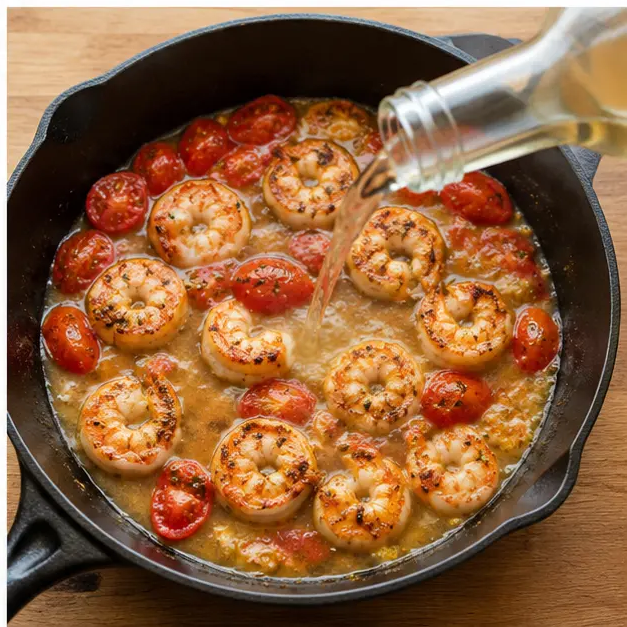
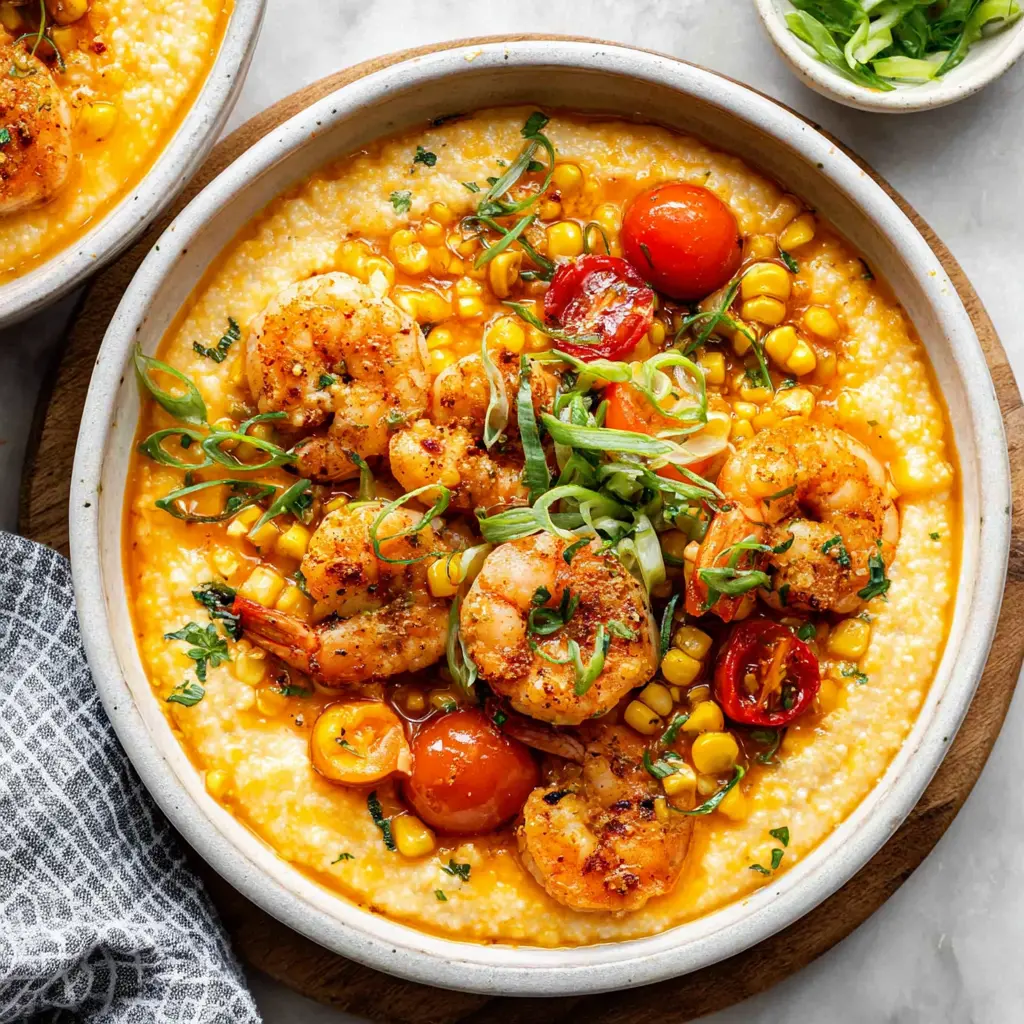
Spoon the creamy grits into bowls, top with the shrimp, tomatoes, and the pan sauce, and garnish with sliced green onions. Serve immediately.
Variations to Try
Once you master the basic shrimp and grits recipe, feel free to make it your own. Here are a few ways to switch it up:
- Make it Dairy-Free: Substitute the whole milk with unsweetened oat milk or a good quality veggie broth. Omit the sharp white cheddar cheese or use a dairy-free shred that melts well. Use a plant-based butter or omit it entirely. The grits will still be creamy if you stir them well.
- Add More Heat: If you like it spicy, add a pinch of cayenne pepper to the shrimp marinade. You can also use a hot Creole seasoning (like Slap Ya Mama) instead of a mild one.
- Cheese Swaps: Sharp white cheddar is my go-to, but pepper jack adds a nice kick, smoked gouda adds incredible smokiness, and a little parmesan adds a salty, nutty flavor.
- Add Veggies: Diced bell peppers (red or green) or andouille sausage are classic additions. If you add sausage, cook it first to render some fat, then cook the shrimp in that flavorful oil.
- Skip the Wine: If you don’t cook with alcohol, just substitute the dry white wine with an equal amount of low-sodium chicken broth plus a splash of apple cider vinegar or lemon juice for acidity.
What to Serve with Shrimp and Grits
This is a pretty complete meal on its own it has protein, carbs, and veggies. But if you want to round it out, here are a few ideas:
- Crusty Bread: You’re going to want to soak up every last drop of that sauce. A thick slice of sourdough or a warm crusty baguette is perfect.
- Simple Green Salad: A light salad with a tangy vinaigrette is a great contrast to the rich, creamy grits. Think arugula, lemon juice, olive oil, and shaved parmesan.
- Roasted Asparagus or Broccoli: A side of roasted green veggies adds a nice earthy flavor and a pop of color.
How to Store and Reheat Leftovers
Honestly, shrimp and grits is best eaten fresh. The texture of the shrimp does suffer a bit when reheated. But if you have leftovers, here’s how to handle them:
Storing: Store the shrimp and grits in separate airtight containers in the refrigerator for up to 2 days.
Reheating the Grits: Grits thicken significantly when they chill. The best way to bring them back to life is on the stovetop. Add a splash of water or milk and reheat them over low heat, stirring frequently, until they’re creamy again. You can also reheat them in the oven at 350°F for about 15-20 minutes.
Reheating the Shrimp: Shrimp get rubbery very quickly when reheated. The best method is to reheat them gently in a skillet over low heat with a tiny splash of water or broth, just until they’re warmed through. Or, you can microwave them for just 10-15 seconds. Don’t overdo it.
Frequently Asked Questions
So there you have it. A foolproof way to make restaurant-quality shrimp and grits right in your own kitchen. It’s creamy, it’s spicy, it’s loaded with sweet corn and juicy tomatoes, and it comes together in just over half an hour. Try this one out and I promise it will become a regular in your dinner rotation.
If you loved this recipe, I’d love to see your take on it! I share all my favorite comfort food recipes and kitchen tips on Pinterest. Come follow me for more inspiration.
Follow me on Pinterest for more Southern-inspired recipes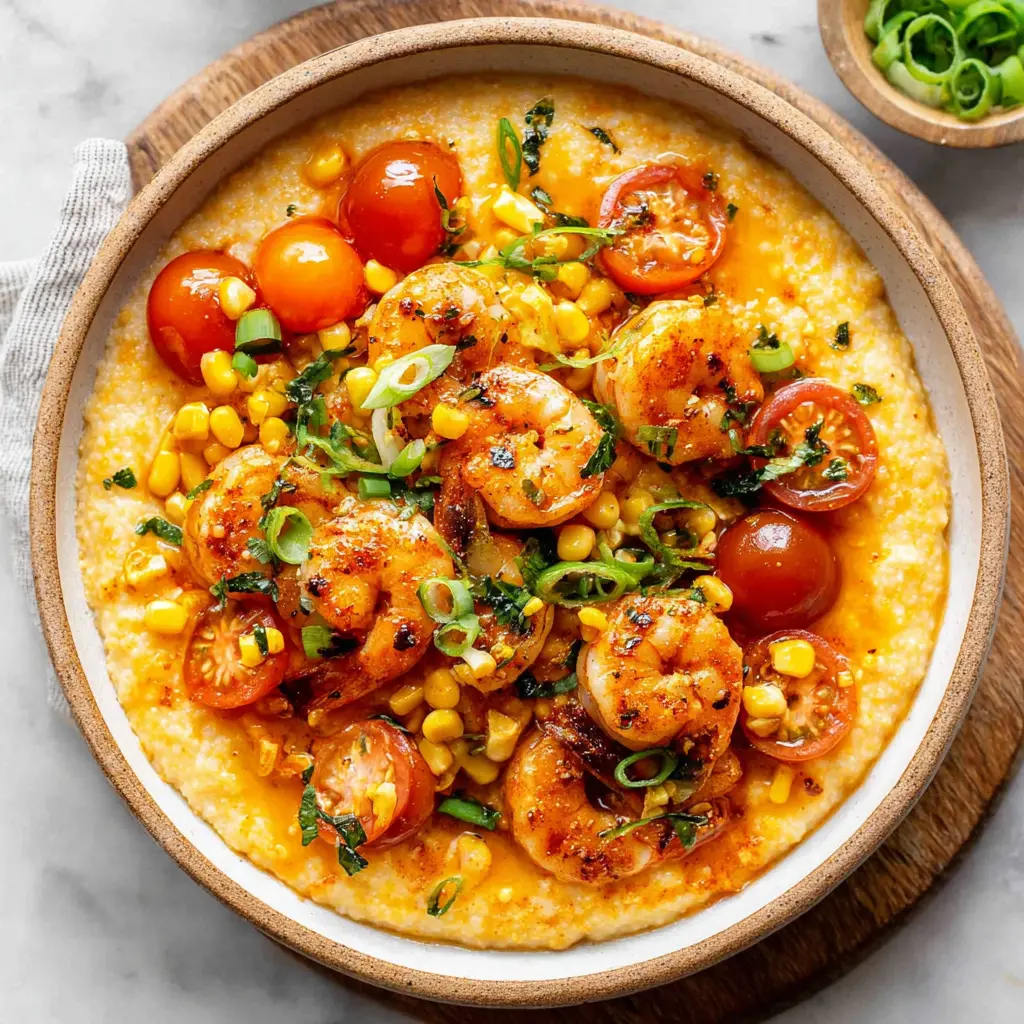
Cajun Shrimp and Grits with Sweet Corn and White Cheddar
Ingredients
Method
- Pat the shrimp dry with paper towels and place in a large bowl. Drizzle with olive oil, then add shallots, garlic, thyme, Creole seasoning, and smoked paprika. Toss well to coat, then let marinate at room temperature while you make the grits.
- In a medium saucepan, bring the water, milk, and salt to a boil over high heat, watching carefully to prevent boil-over. Gradually whisk in the grits, then reduce heat to medium-low. Cook uncovered for about 10 minutes, stirring occasionally, until thickened and creamy. Remove from heat, stir in the shredded cheddar cheese, 1 tablespoon butter, and black pepper until smooth. Fold in the fresh corn, then cover and set aside to keep warm.
- In a large skillet over medium-high heat, melt the remaining 2 tablespoons butter. Add the marinated shrimp along with any oil and seasonings from the bowl, spreading them into a single layer. Cook undisturbed for 3 minutes, then add the cherry tomatoes and toss everything together. Continue cooking for 2 minutes until the tomatoes soften and start to release their juices. Pour in the white wine and cook for 1 minute more, scraping up any browned bits.
- Divide the grits evenly among four bowls. Spoon the shrimp, tomatoes, and pan sauce over the top. Garnish with sliced green onions and serve immediately.
Nutrition
Notes
Tried this recipe?
Let us know how it was!More Recipes You’ll Love
- Easy One-Pan Lemon Chicken
- Creamy Mushroom and Thyme Risotto
- Spicy Black Bean Tacos with Mango Salsa
Source: Learn More About This Dish
Can shrimp and grits be reheated?
Yes, but it’s best to reheat the grits and shrimp separately. Grits can be reheated on the stovetop with a splash of milk or water to restore creaminess. Shrimp reheat best in a low-heat skillet or microwave for just a few seconds to avoid a rubbery texture.
Can I make shrimp and grits dairy free?
Absolutely. For the grits, use all water or unsweetened oat milk instead of whole milk. Omit the sharp white cheddar cheese or use a dairy-free alternative. Use a plant-based butter or just a little extra olive oil for richness.
How can I spice it up?
If you want more heat, add a pinch of cayenne pepper to the shrimp marinade. You can also use a spicy Creole seasoning blend or add a finely chopped serrano pepper along with the shallots. A few dashes of your favorite hot sauce at the end works too.
What are quick-cook grits?
Quick-cook grits are stone-ground grits that have been ground more finely and pre-cooked, then dehydrated. They cook in about 5-10 minutes instead of 30-45 minutes. They have a slightly less complex flavor but work perfectly for a weeknight shrimp and grits recipe.
Can you use frozen shrimp for shrimp and grits?
Yes, frozen shrimp are a great option. Just make sure to thaw them completely in the refrigerator overnight or in a bowl of cold water for about 15 minutes. Pat them very dry with paper towels before marinating to ensure they sear properly.
Are grits better with milk or water?
A combination of both is ideal. Water helps them cook evenly without getting too heavy, while milk adds creaminess and richness. For this recipe, I use 2 cups of water and 1 cup of whole milk for perfectly balanced creamy grits.
Can you use a different cheese in shrimp and grits?
Absolutely. Sharp white cheddar is a classic choice, but you can use regular sharp cheddar, smoked gouda, pepper jack for heat, or a mix of parmesan and mozzarella. Just avoid pre-shredded cheese, as it doesn’t melt as smoothly.